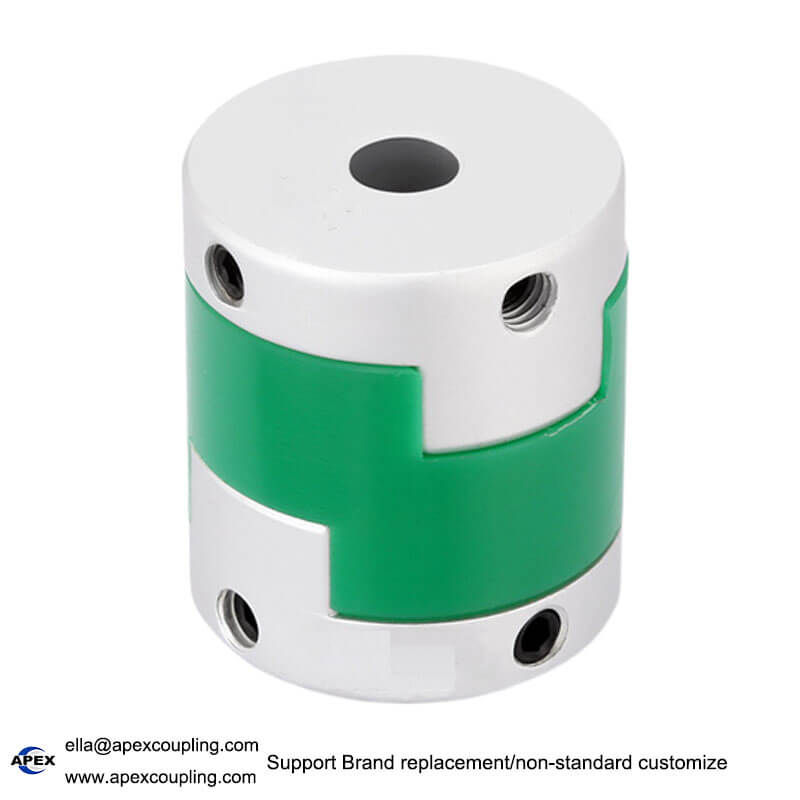
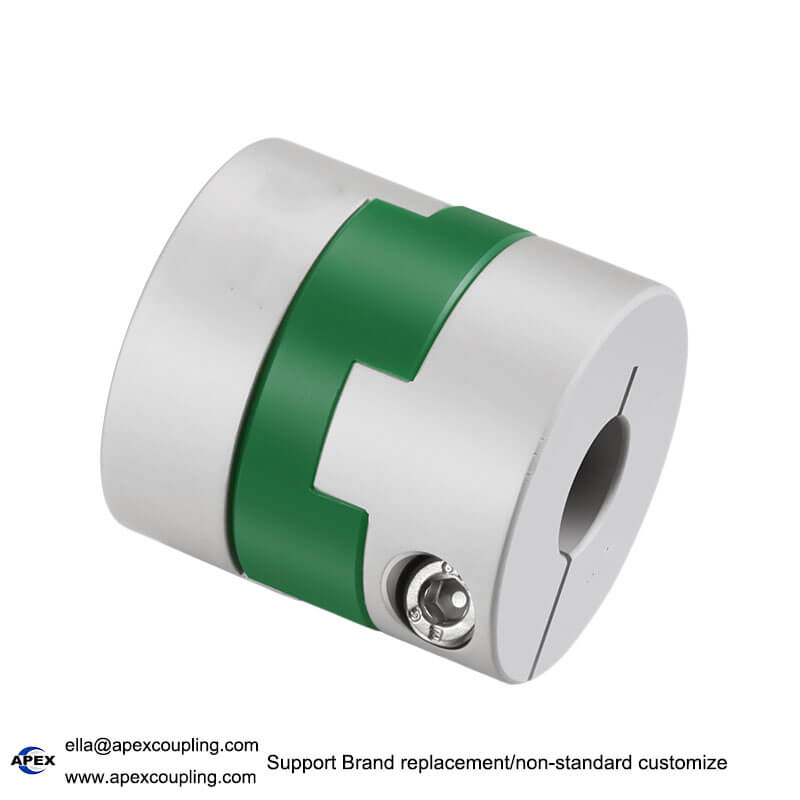
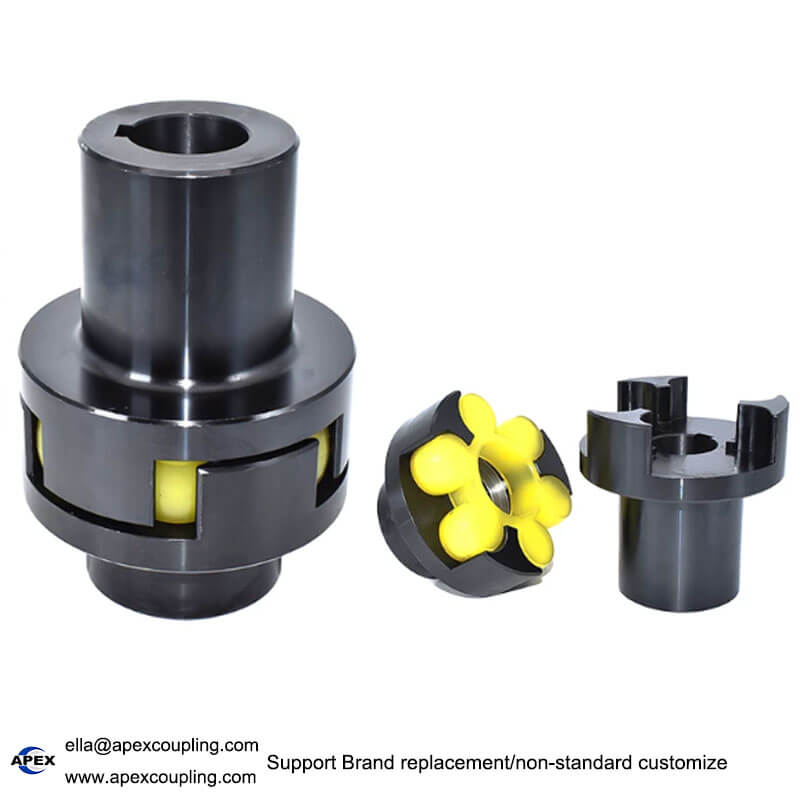
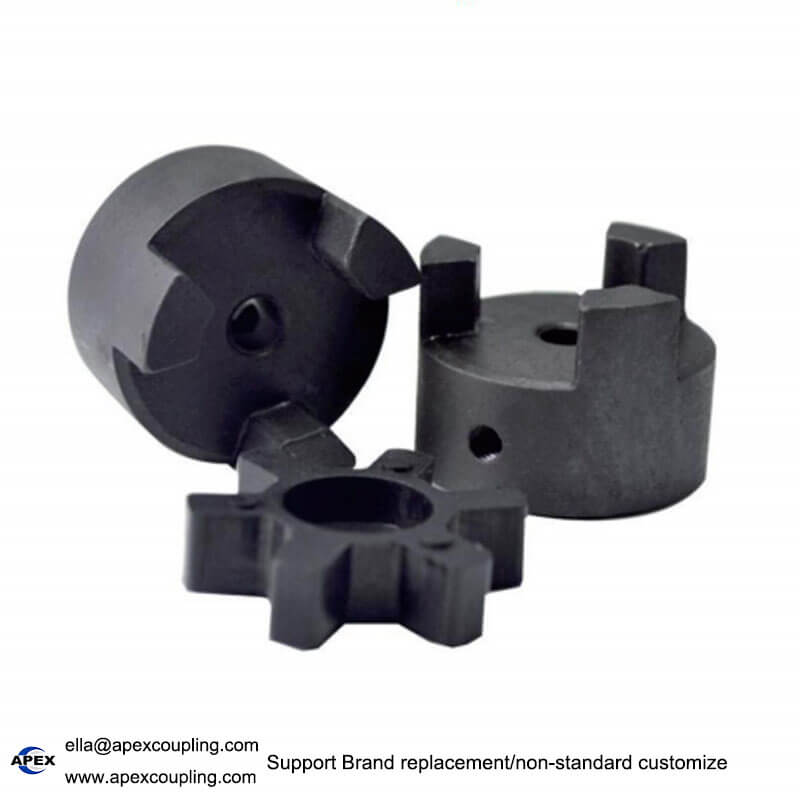
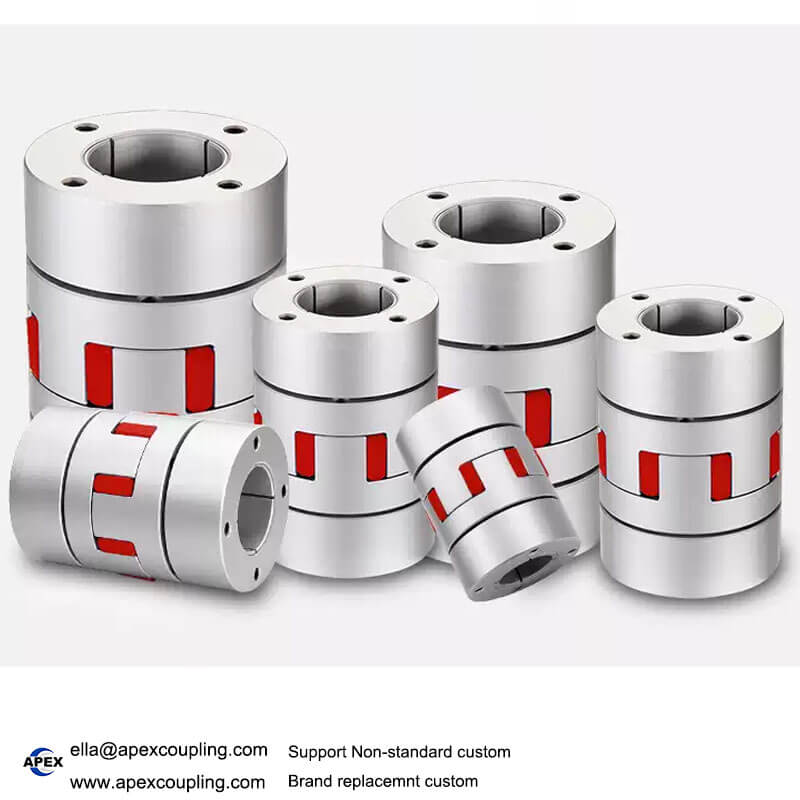
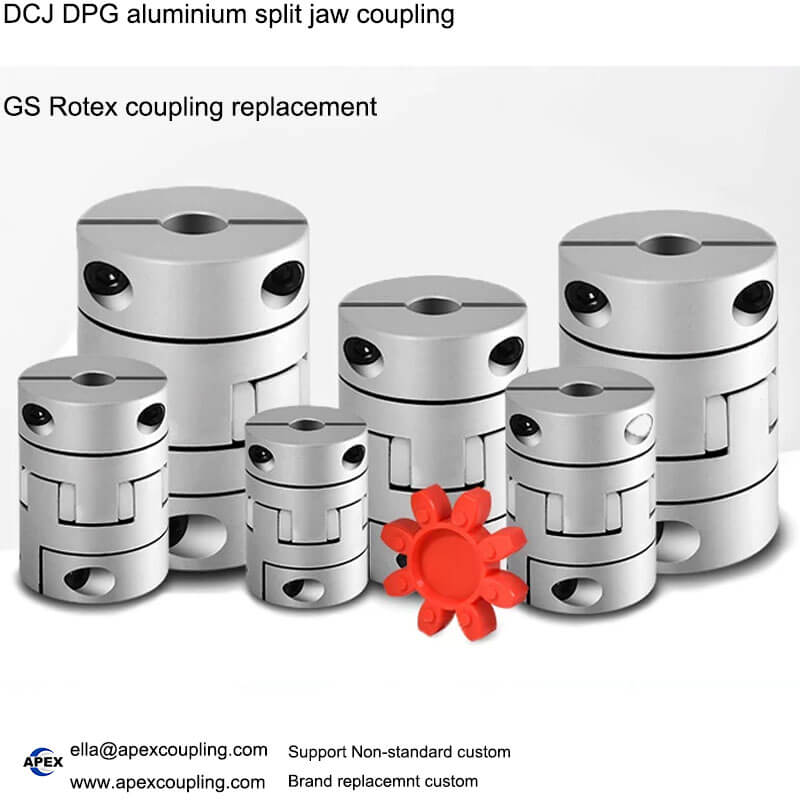
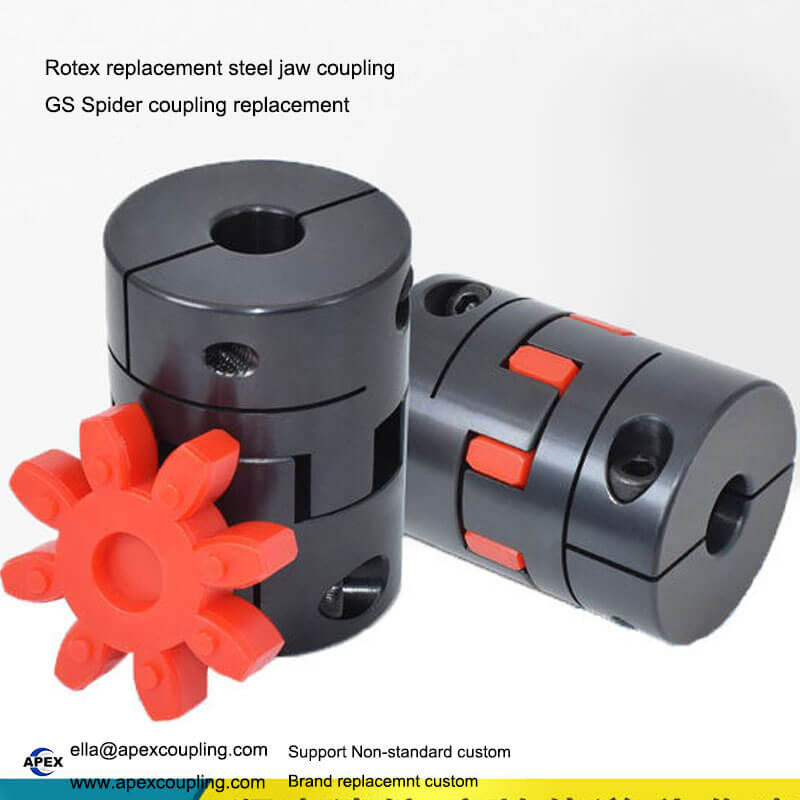
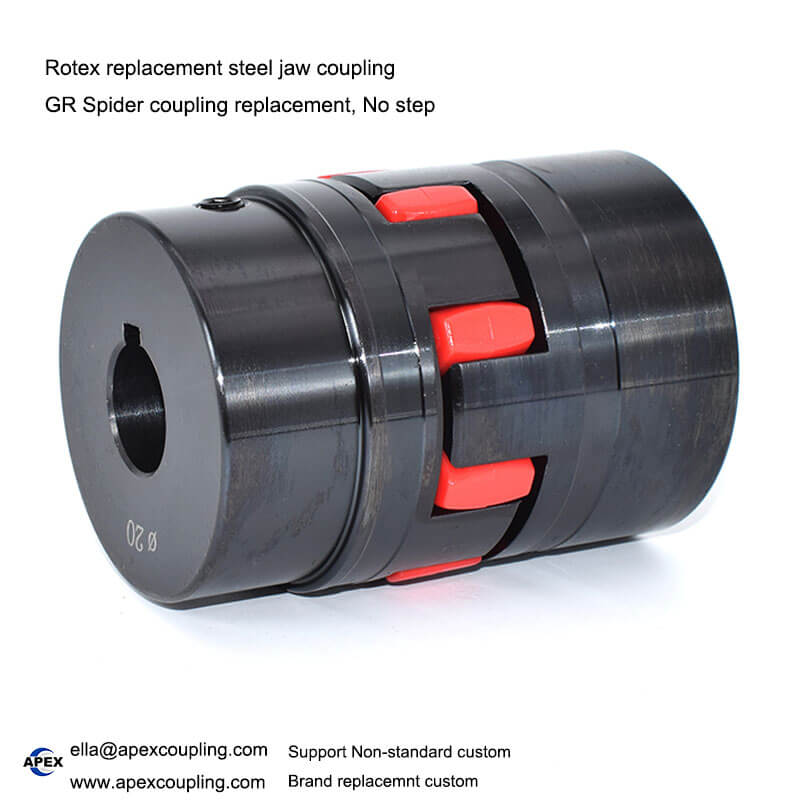
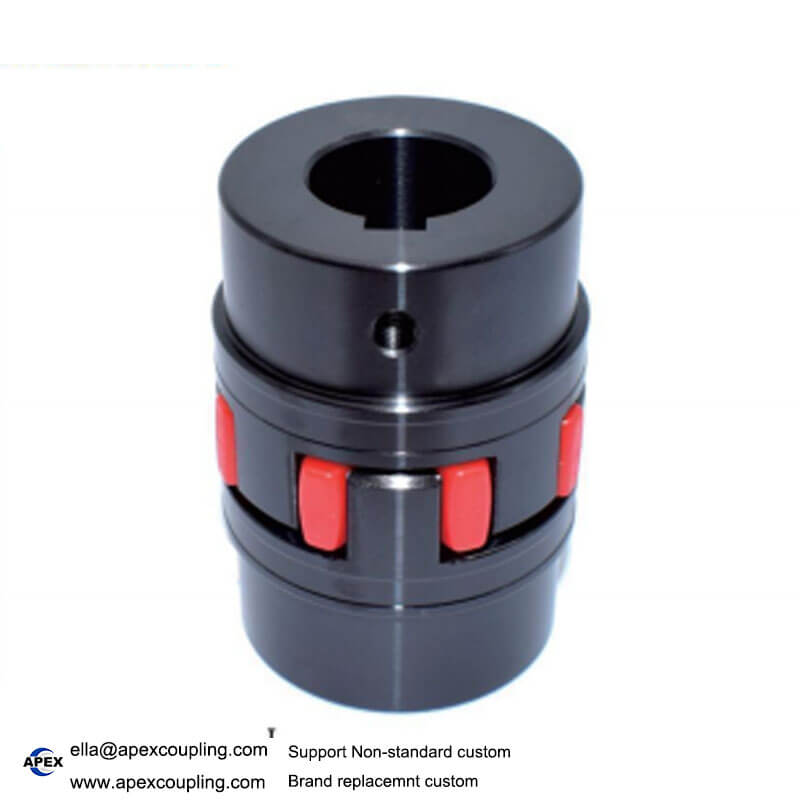
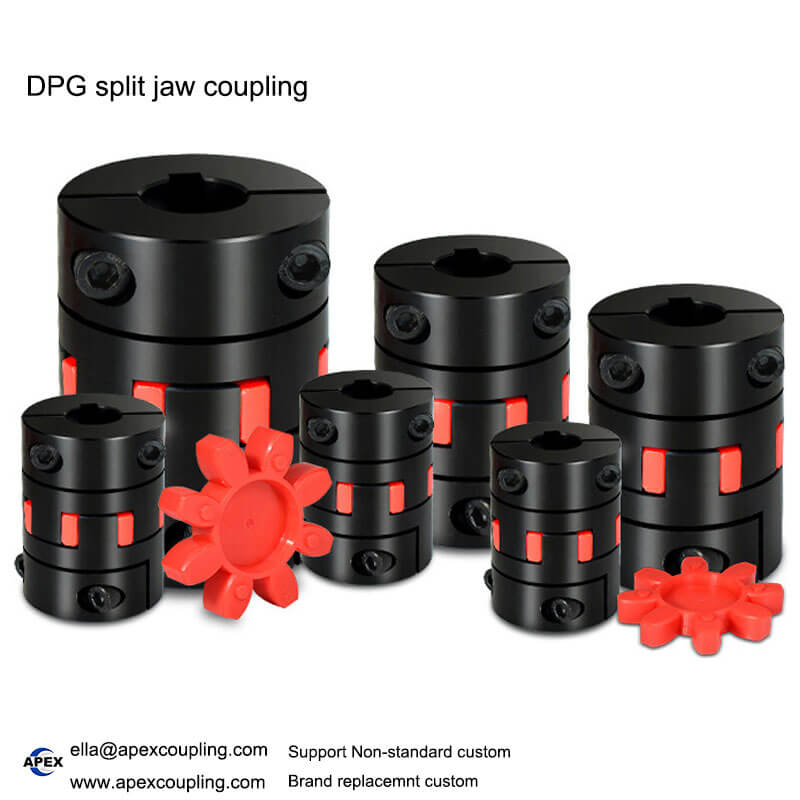
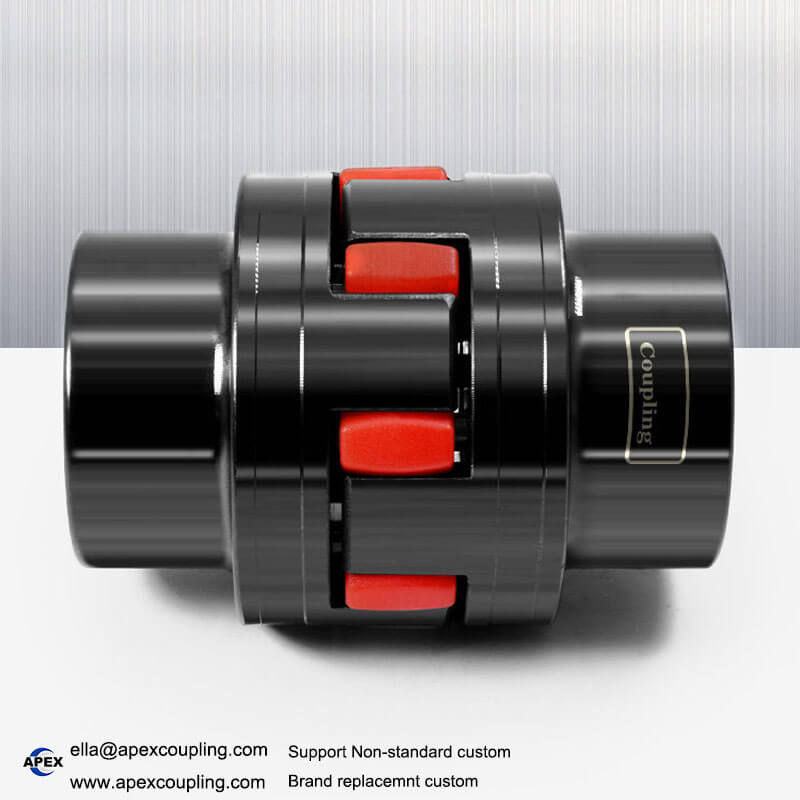
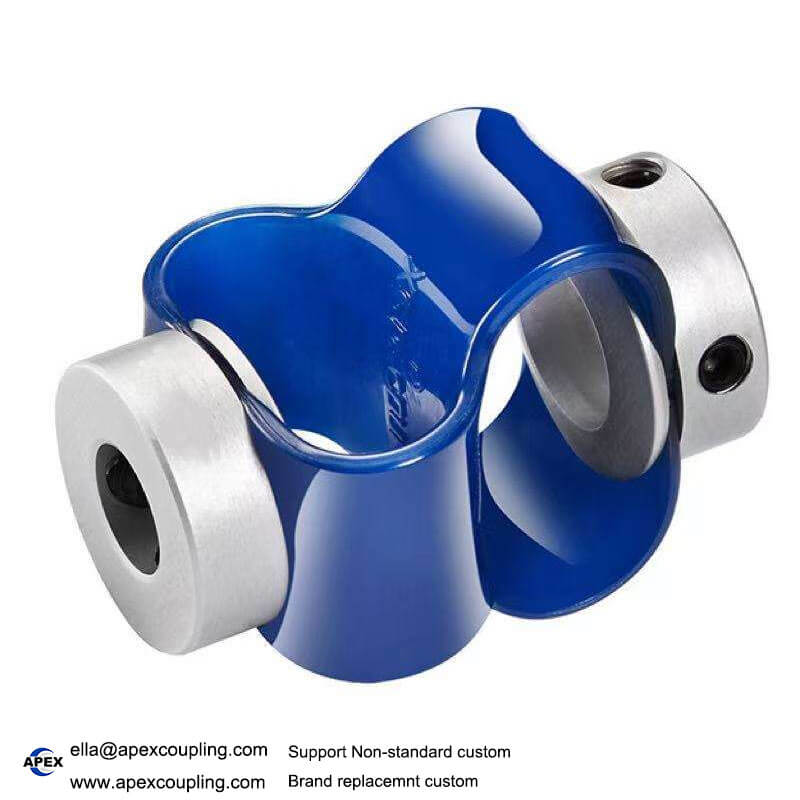
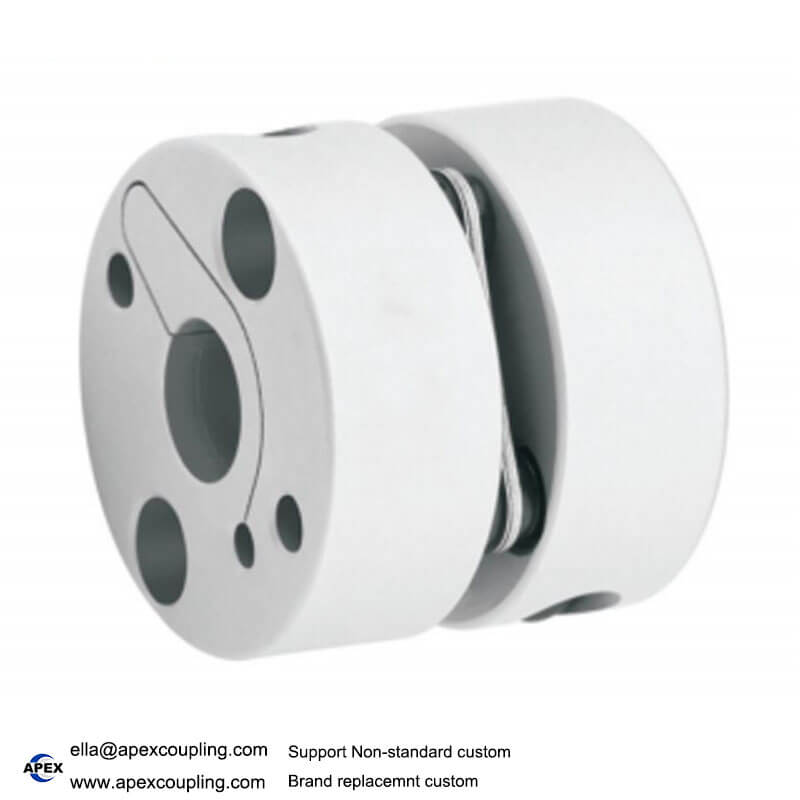
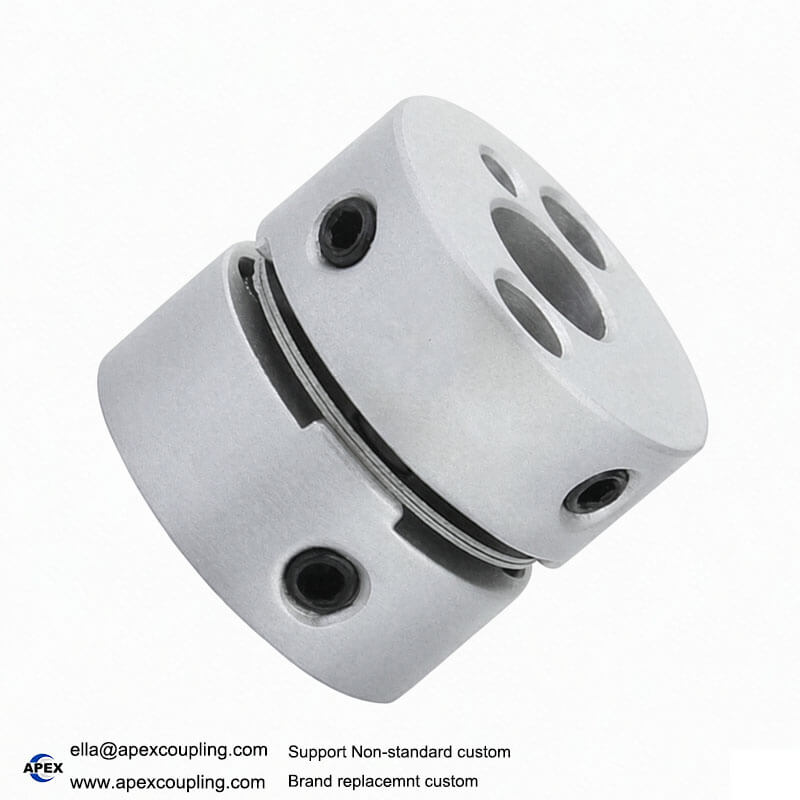
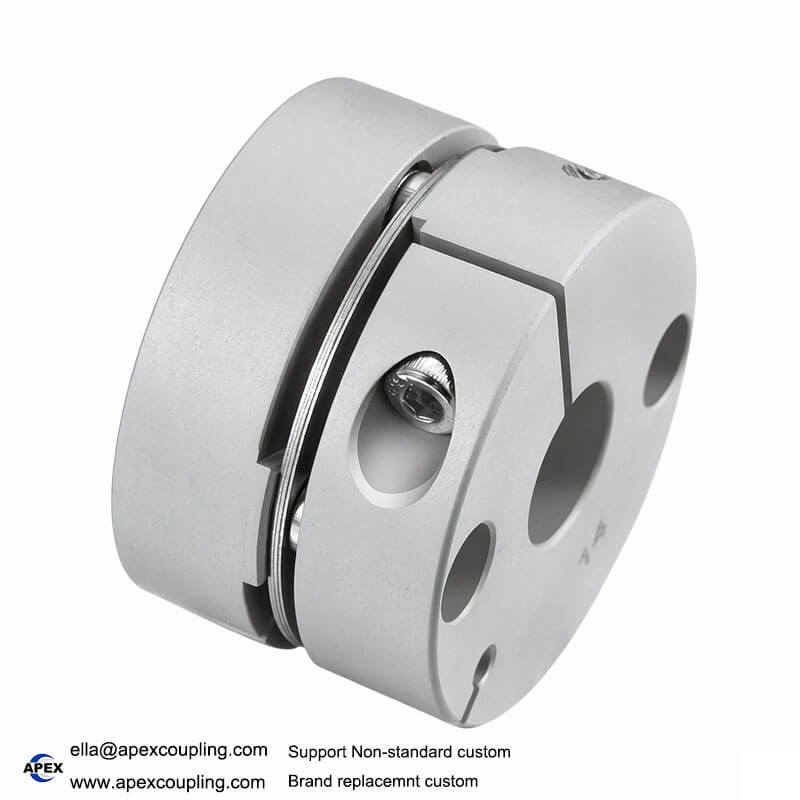
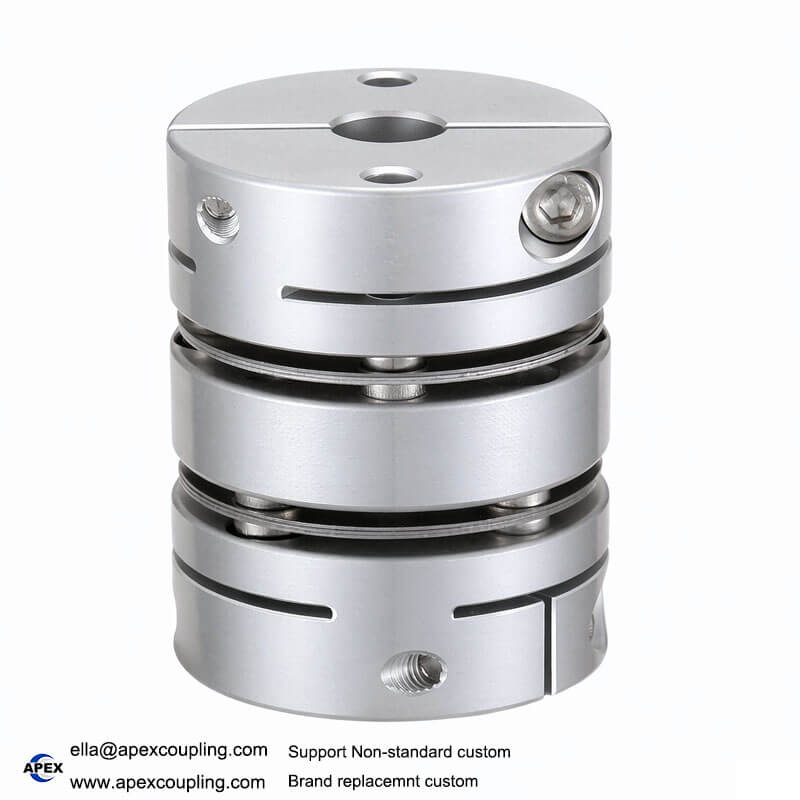
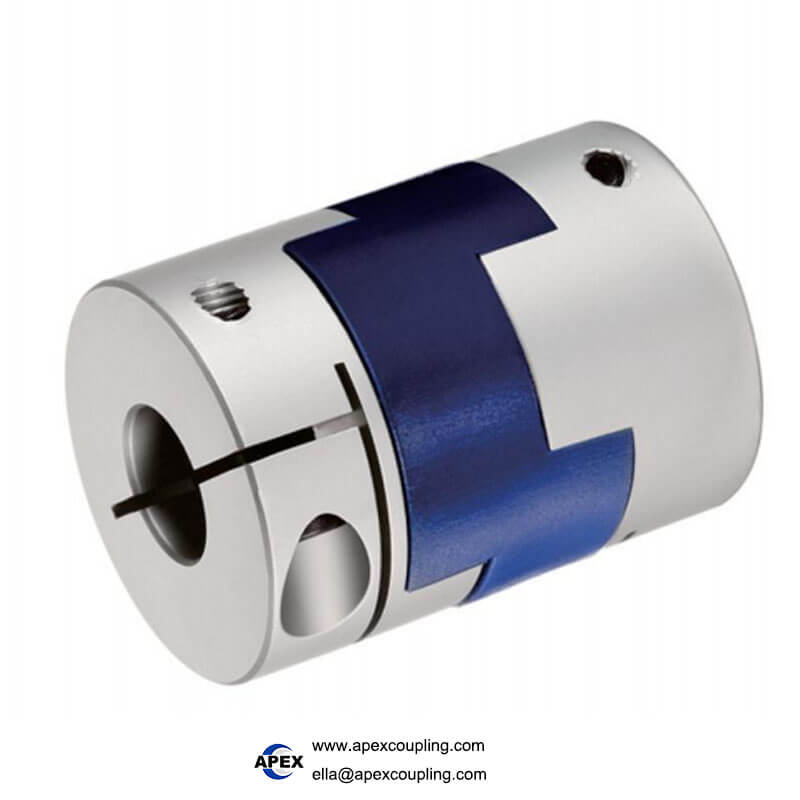
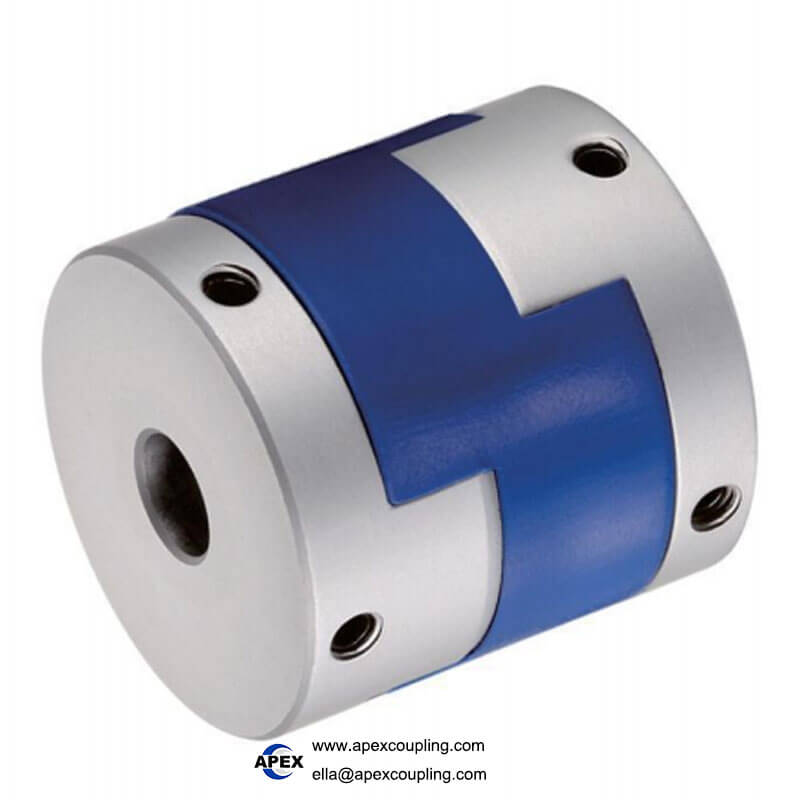
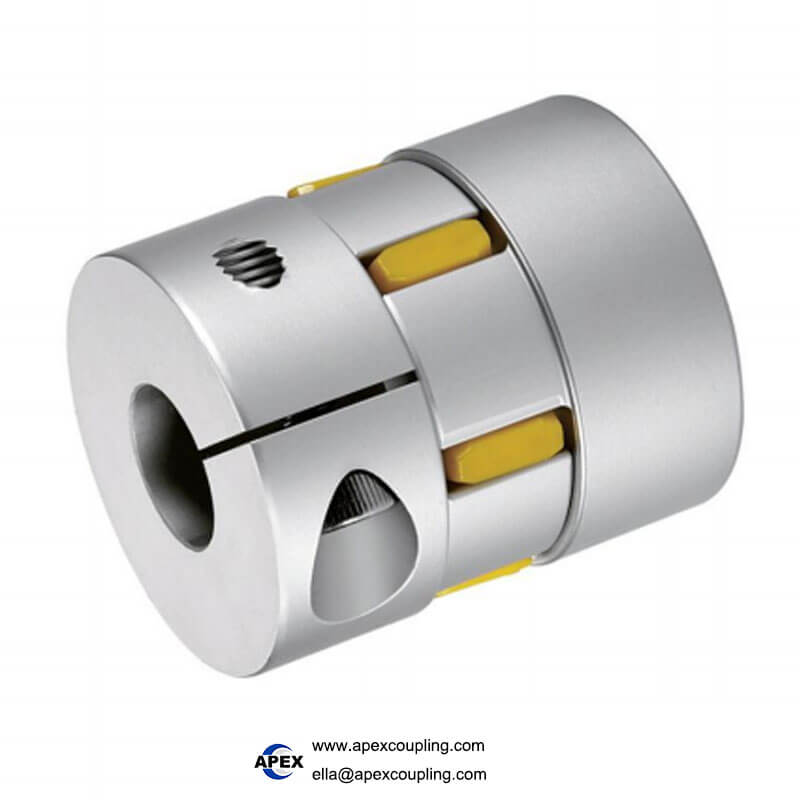
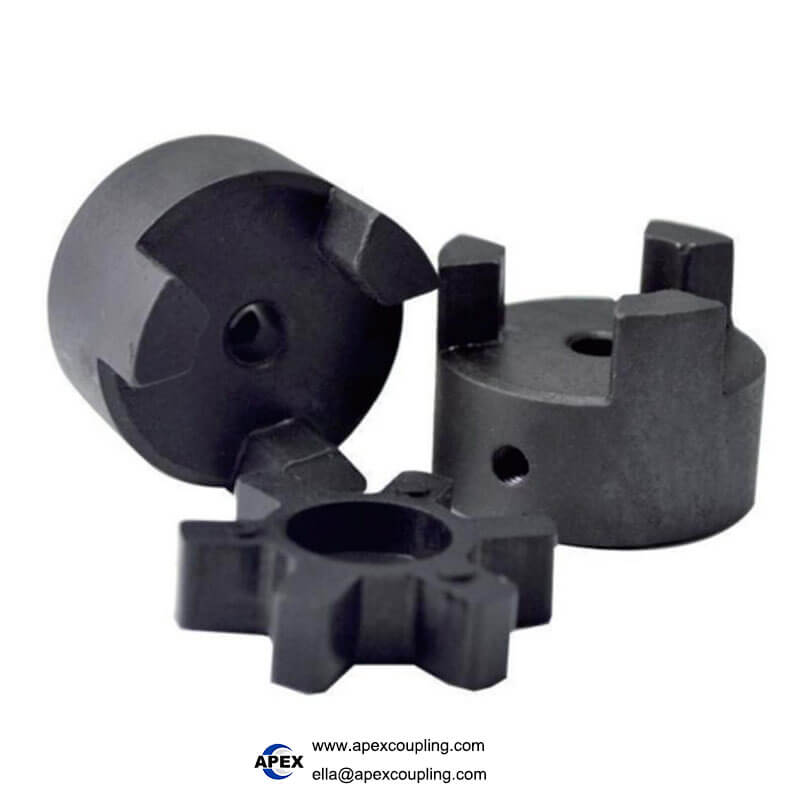
OEM ODM Couping manufacturer.

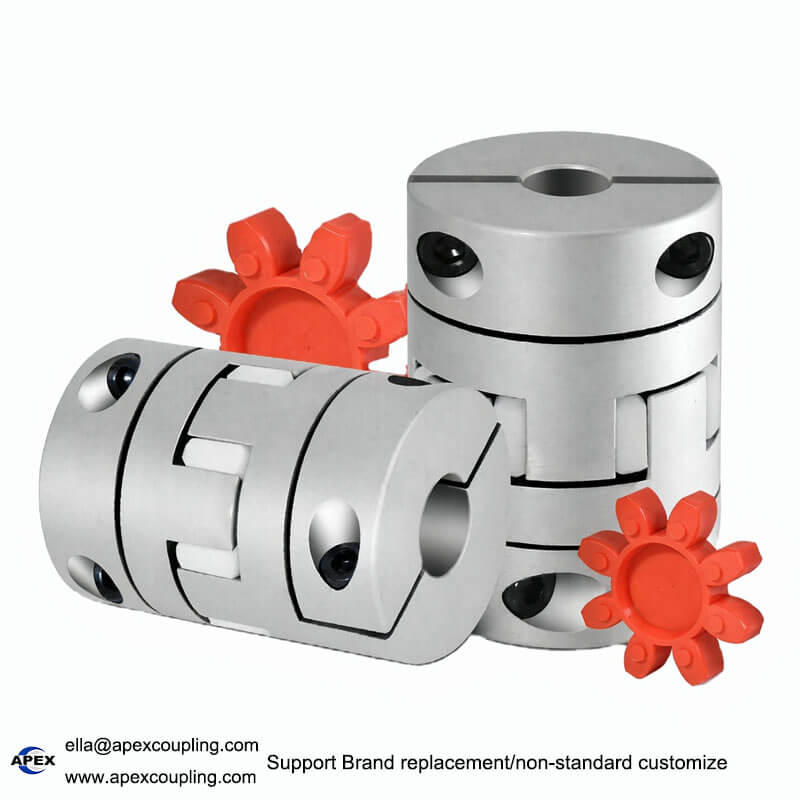
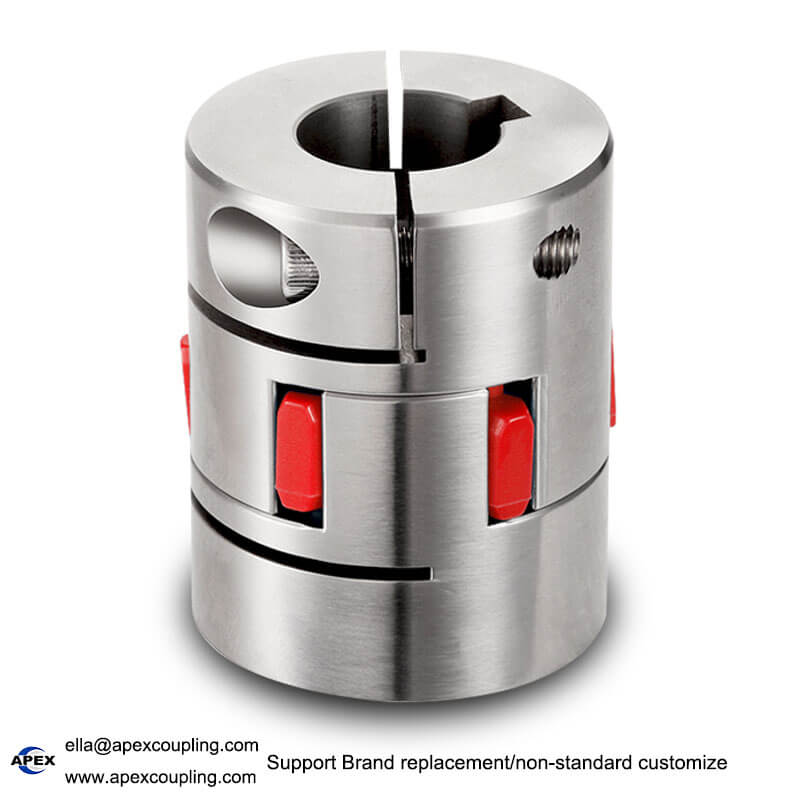
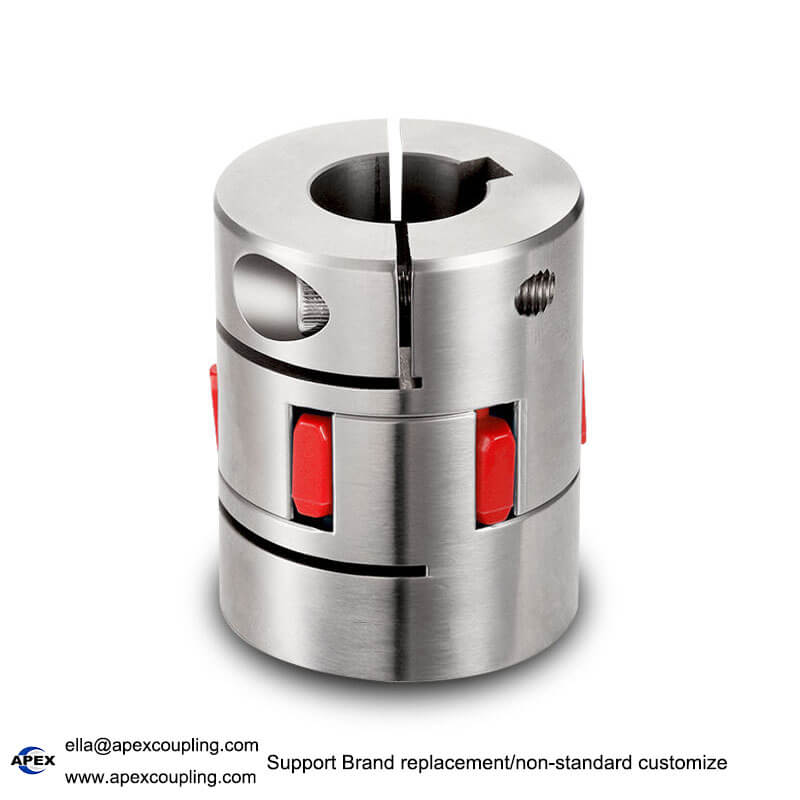
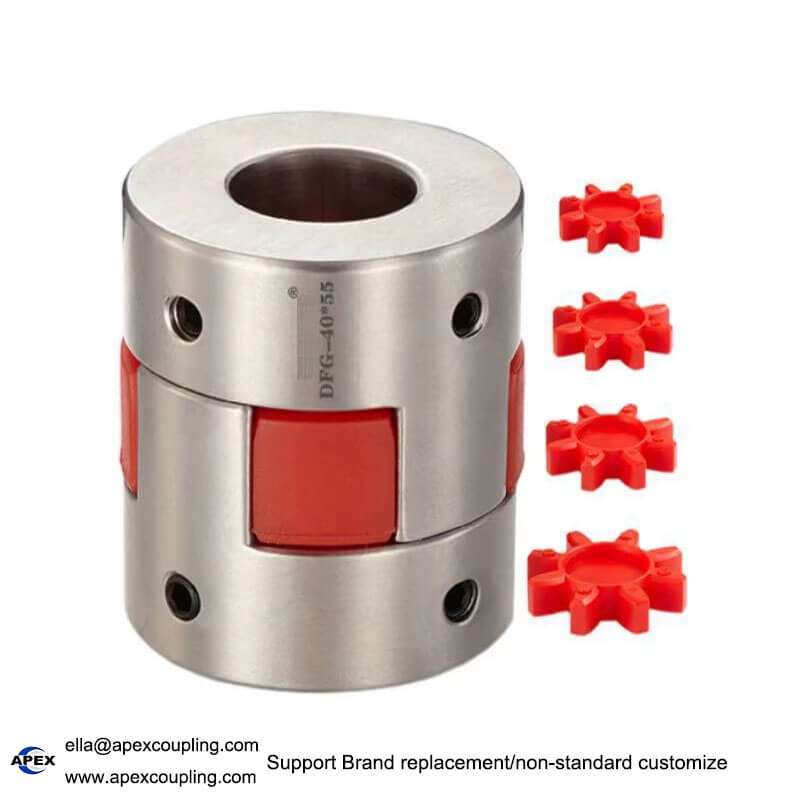
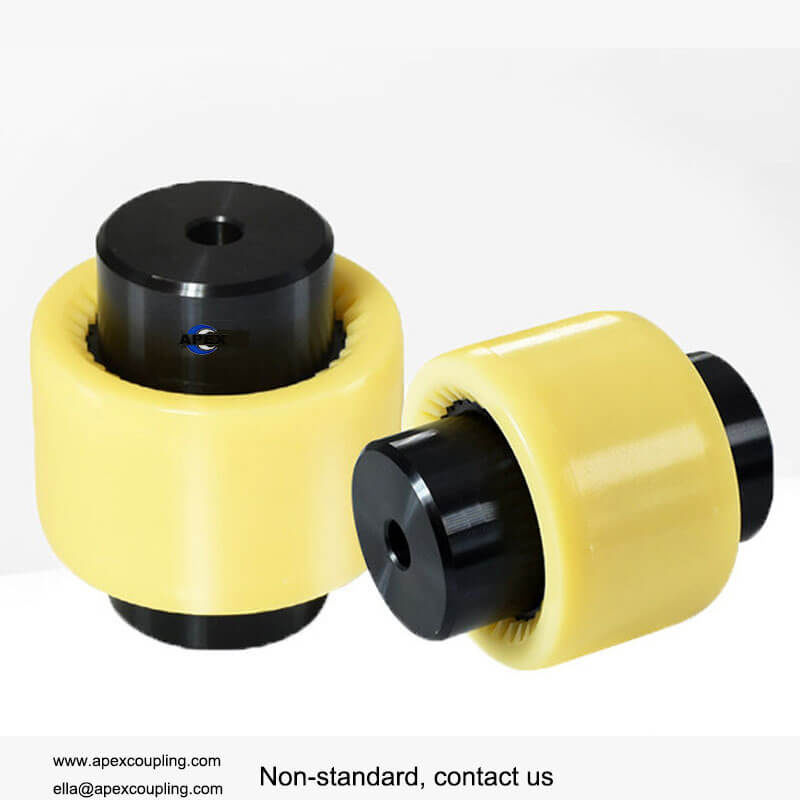
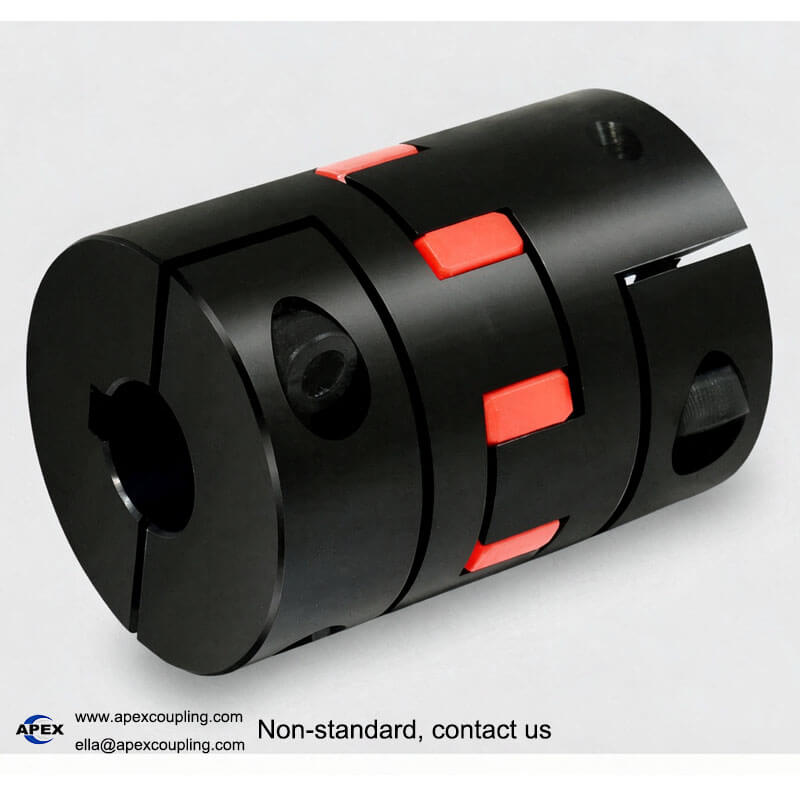
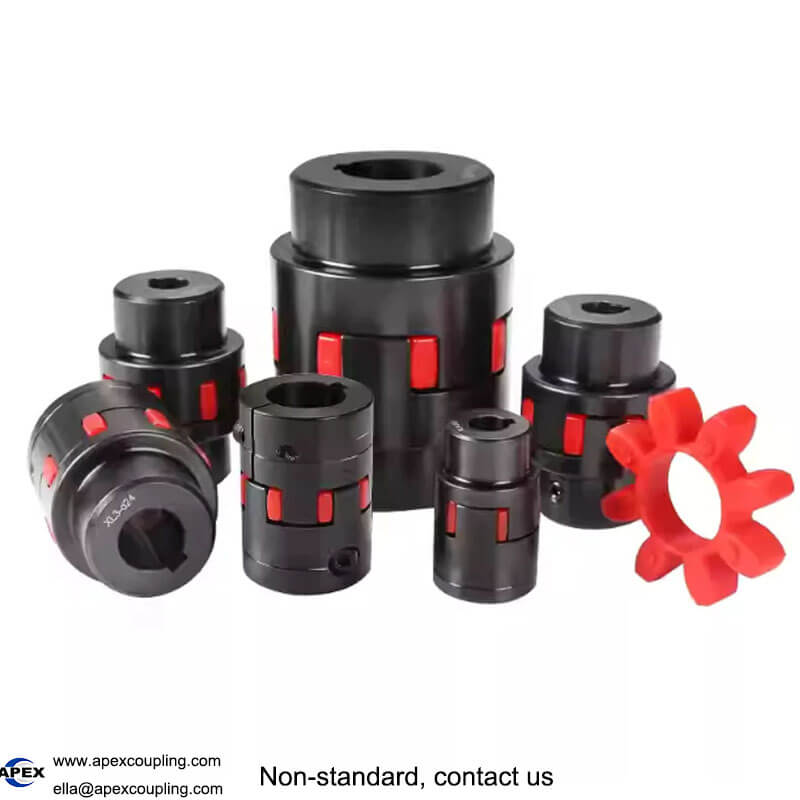
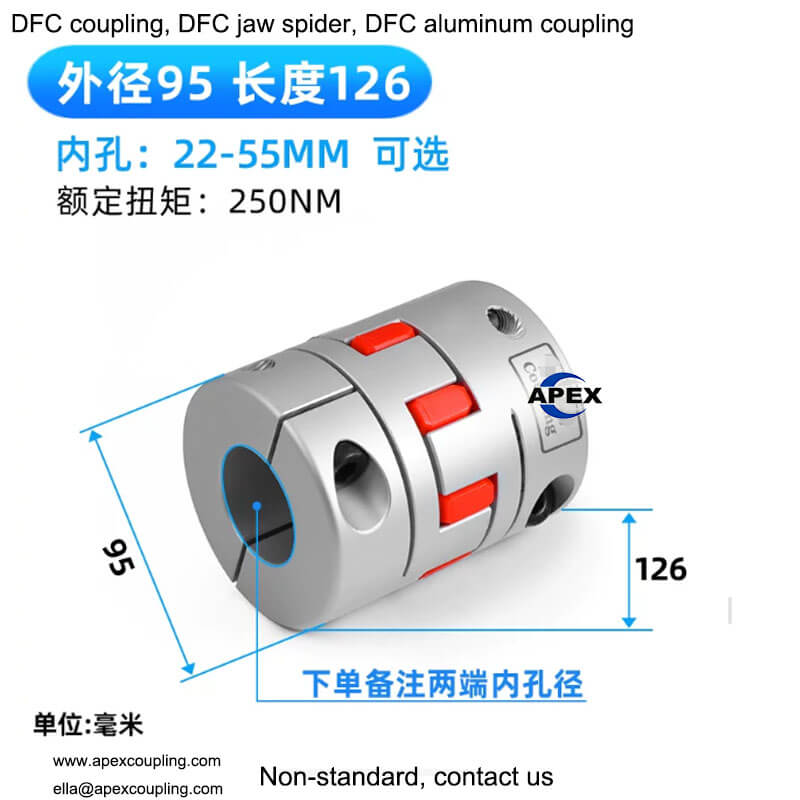
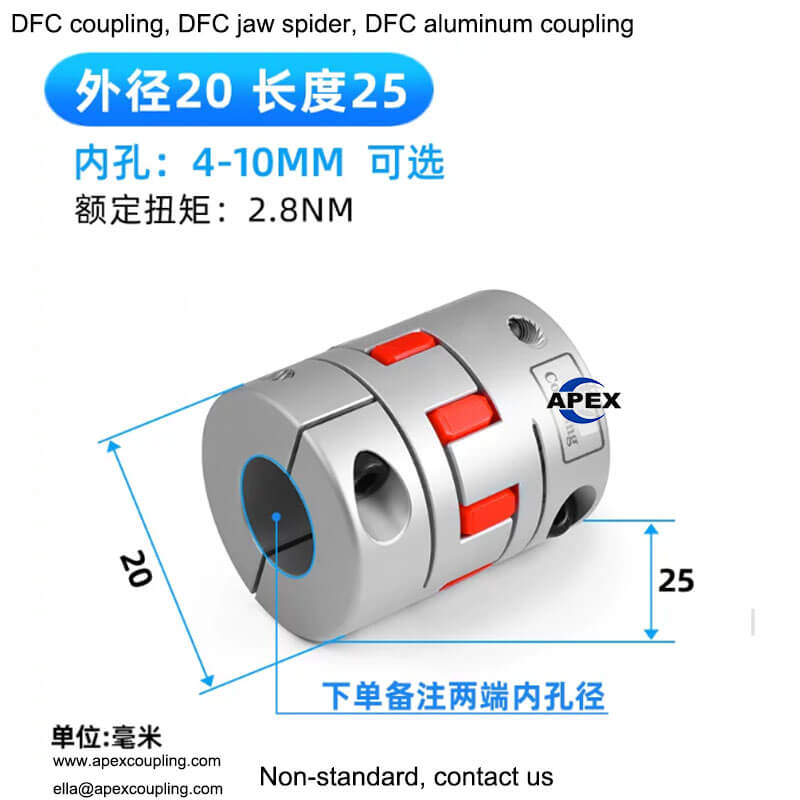
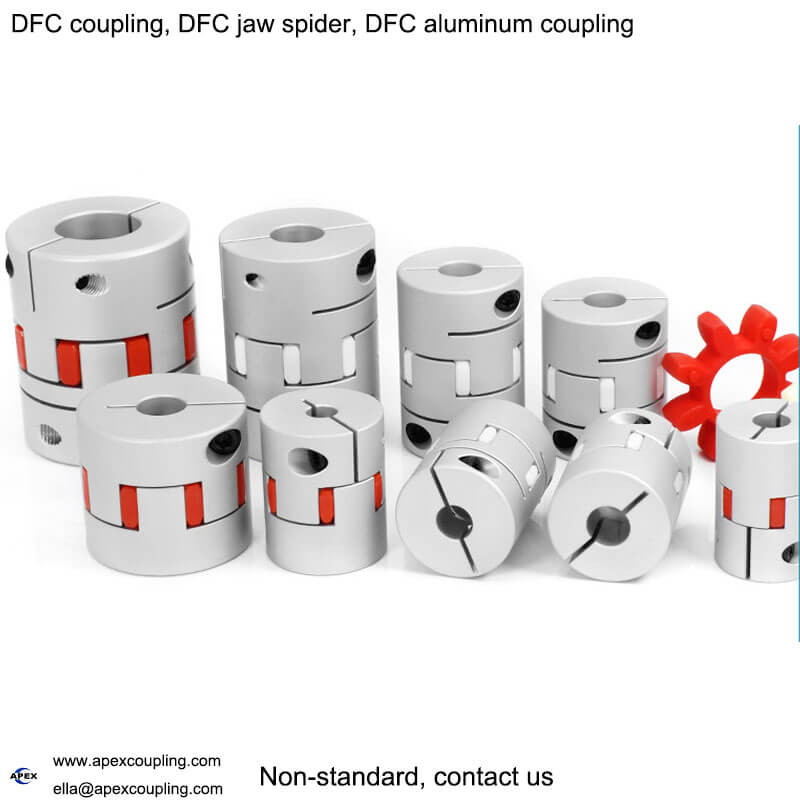
elastic coupling, jaw coupling, jaw coupling spider, aluminum jaw coupling, jaw coupling hubs customize.

PRODUCTS

CONTACT US

cross slider coupling
stepper motor coupling
8-shaped flexible coupling
KC-6022 chain coupling
8-shaped coupling
Oldham coupling
keyless power lock
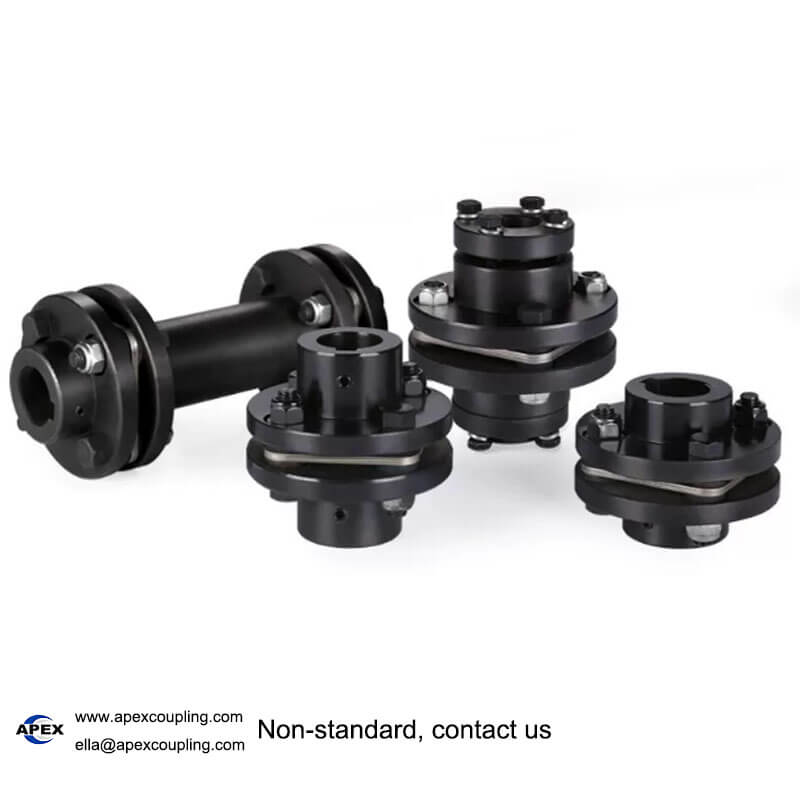
diaphragm coupling
cast iron jaw coupling
linear module coupling
KC roller chain coupling
aluminum flexible coupling
double step coupling
flexible spider coupling
jaw spider coupling
ball screw coupler
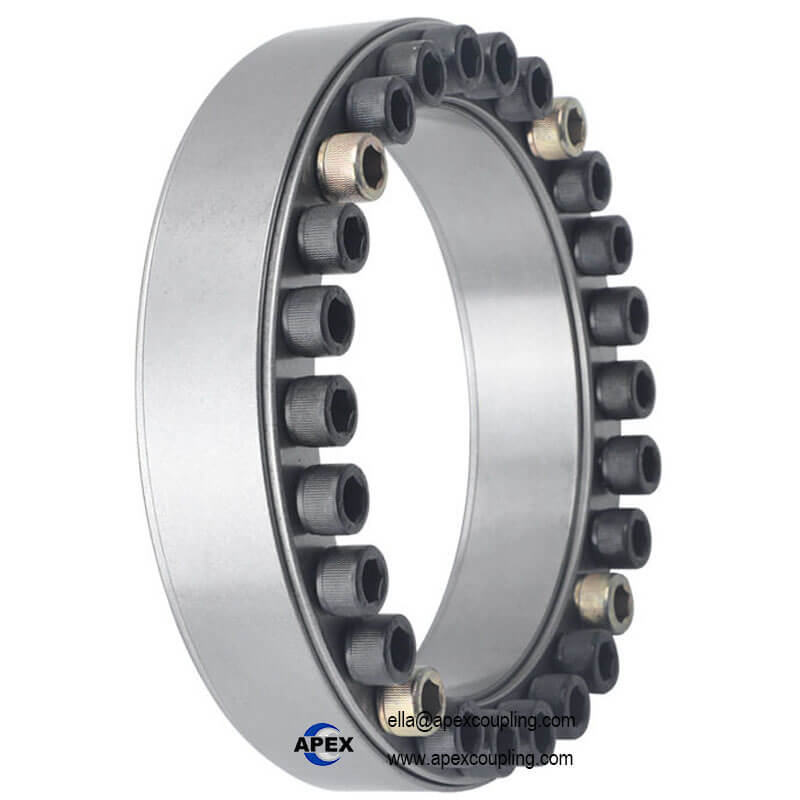
shaft-hub locking device
ROTEX coupling
jaw spider coupling
high torque spider coupling
laser welded bellows coupling
stainless steel spider coupling
flexible shaft coupling 5mm to 8mm
spider coupling
standard jaw coupling manufacturer
KTR Rotex replacement coupling
shaft hub locking assembly
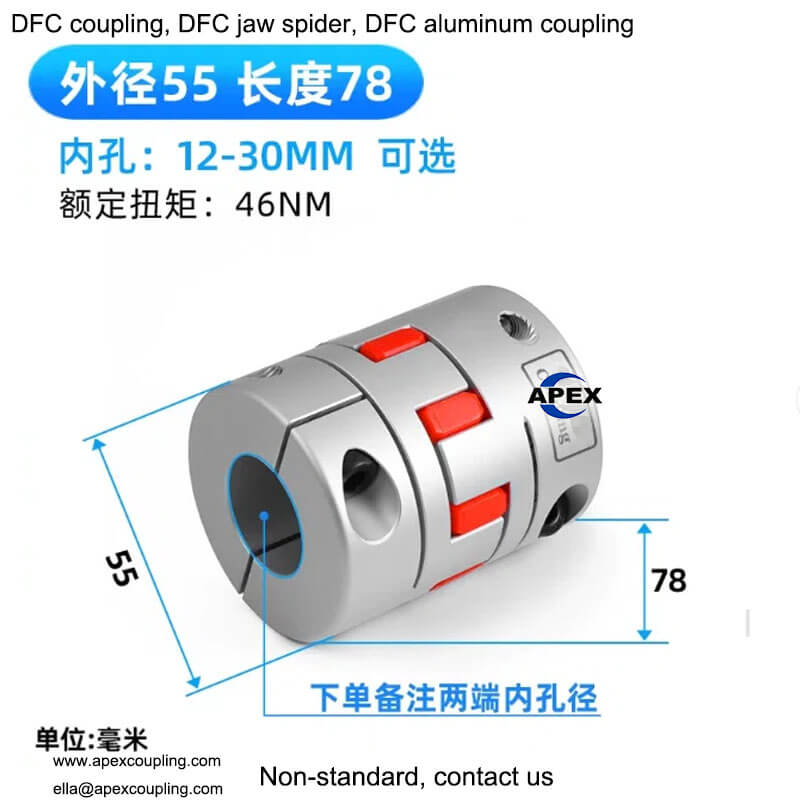
DFC series curved jaw coupling
L-type flexible coupling
L-type flexible jaw coupling
standard L flexible jaw coupling
plum jaw coupling
stainless steel curved jaw coupler
DLZG jaw coupling
XL star coupling
Rotex28 flexible coupling
polyurethane spider element
DNC rigid coupling
clamp style rigid coupling
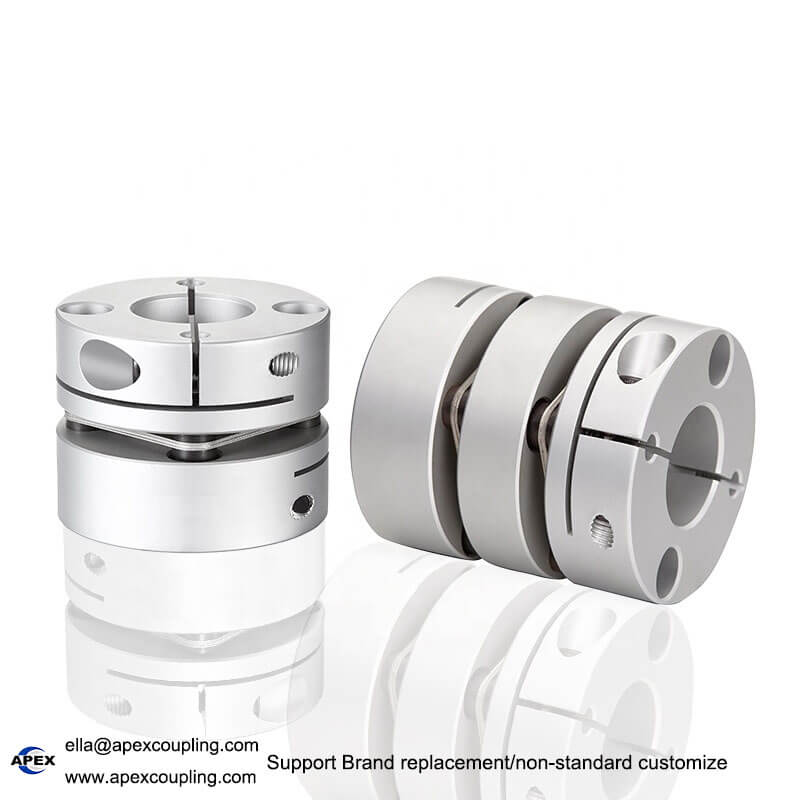
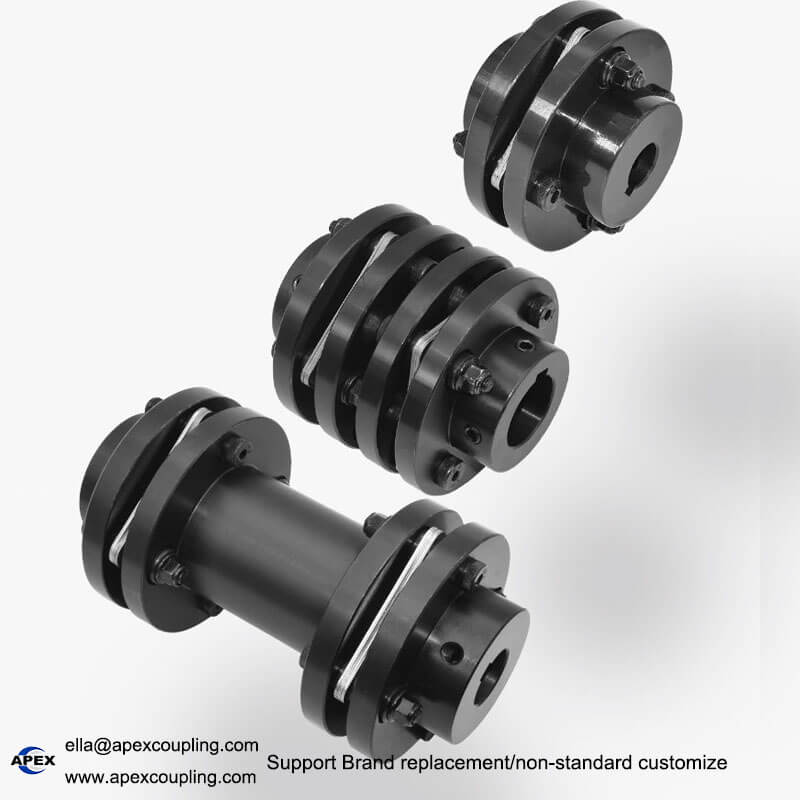
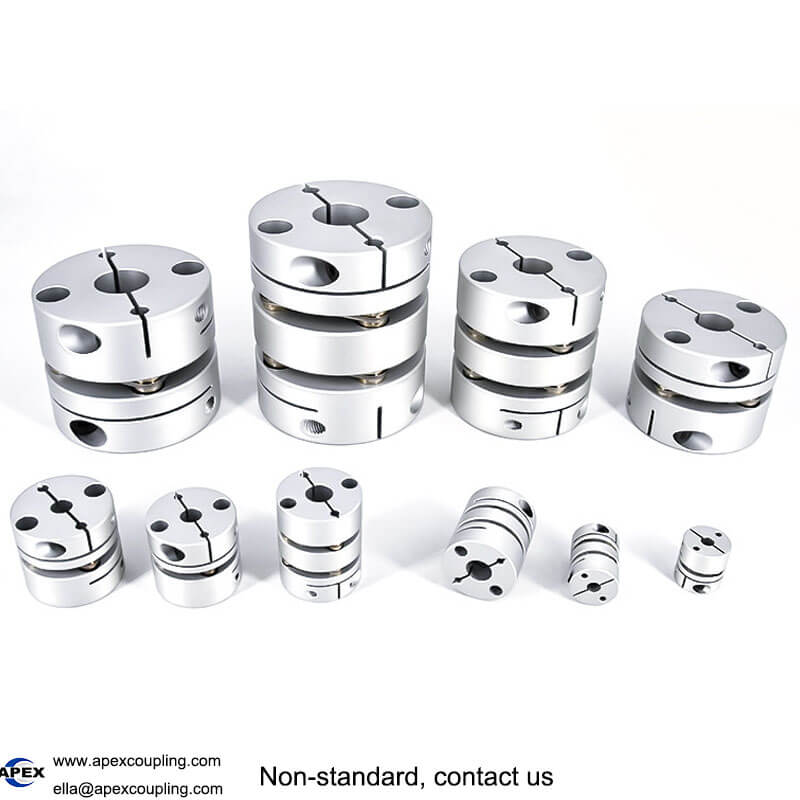
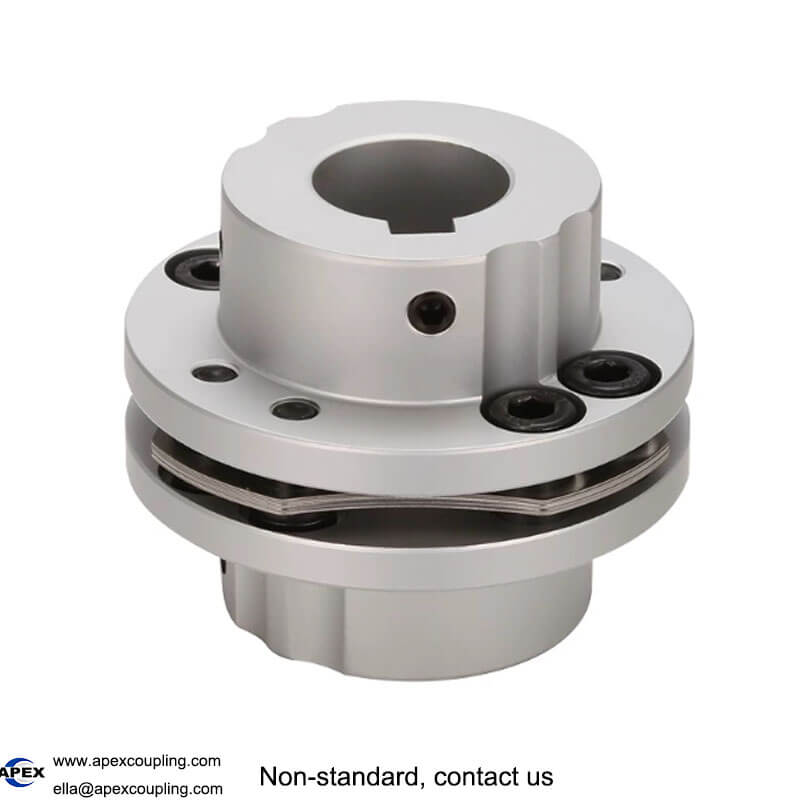
Double Disc Coupling
High Torque Diaphragm Coupling
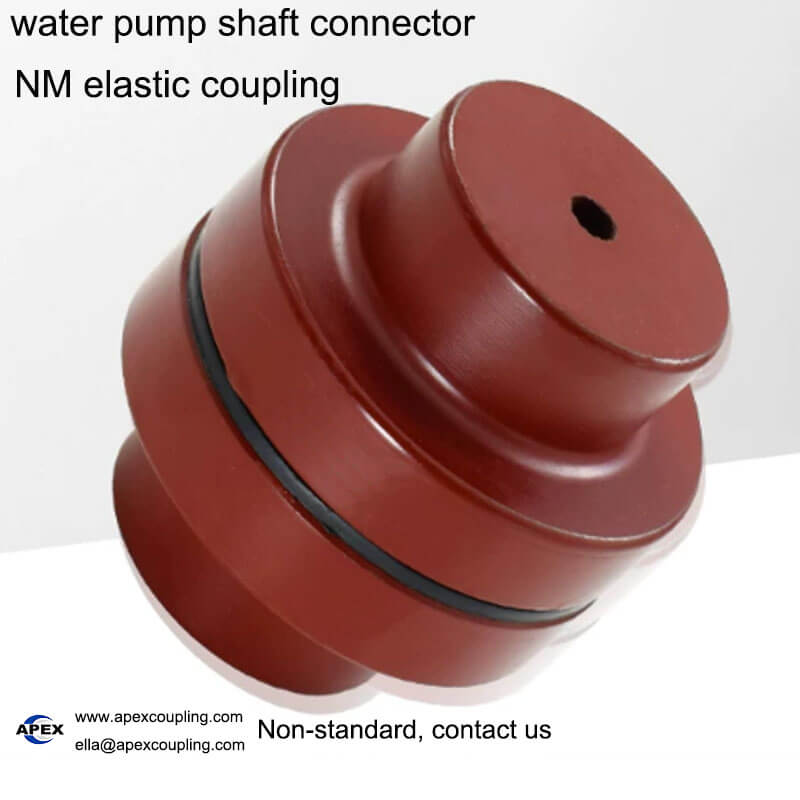
Normex NM128 Coupling
DJM Single Disc Coupling Manufacturer
Keyed Double Disc Coupling
DSZT Diaphragm Coupling
Zero Backlash Spindle Link
DLZ Double Diaphragm Coupling
Star Elastic Coupling
Diaphragm Coupling
AL-S Locking Assembly
XL Star Coupling
DBL31 Diaphragm Coupling
DPG Split Coupling
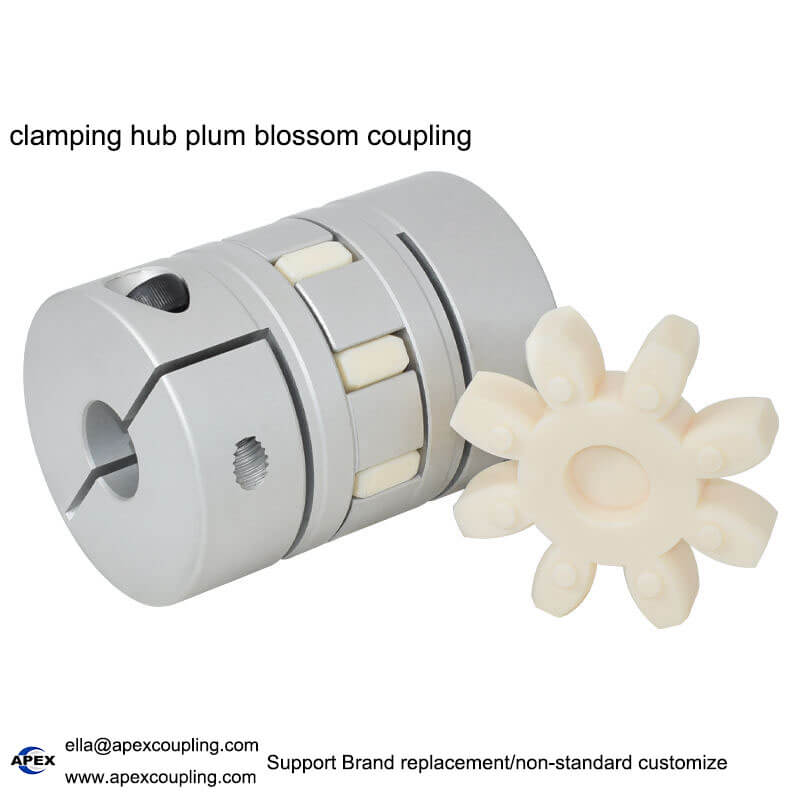
Plum Coupling
Rotex Jaw Coupling
Jaw Coupling Spider
Rotex Equivalent Coupling
DL Diaphragm Coupling
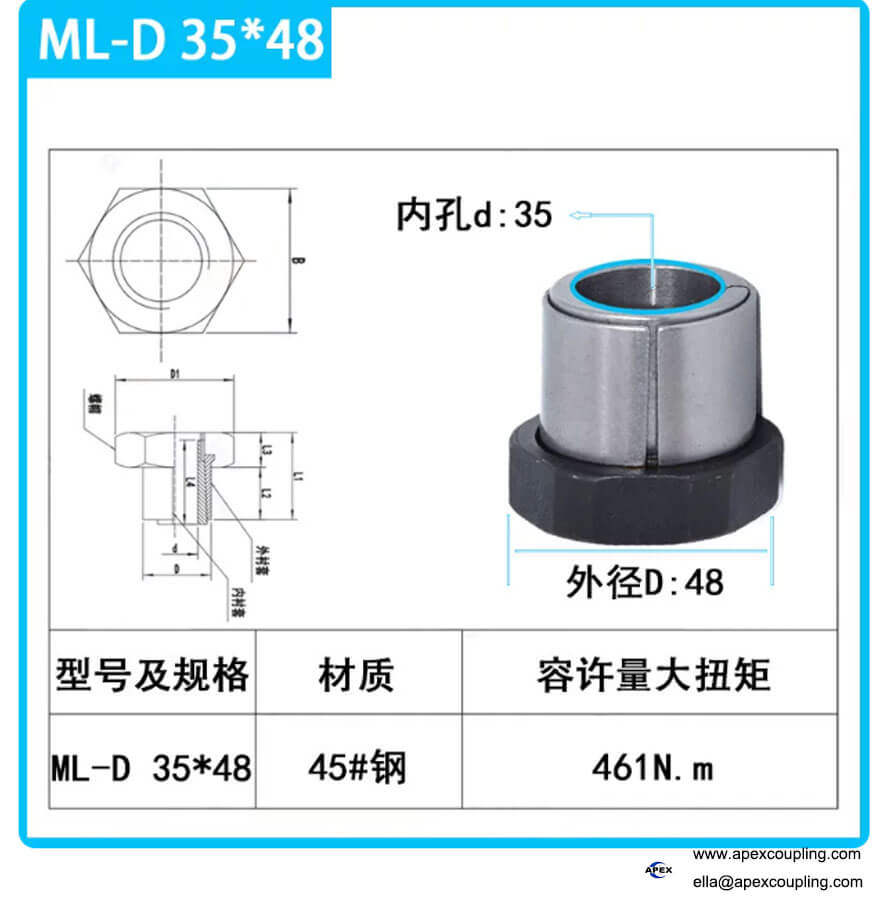
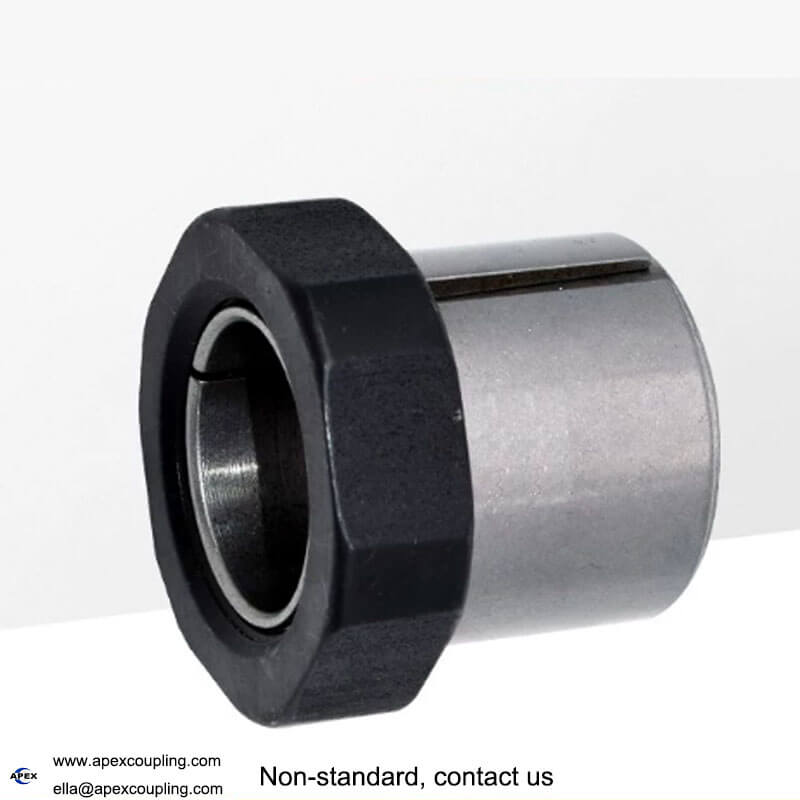
MLAT Keyless Bushing
Single Taper Locking Bushing

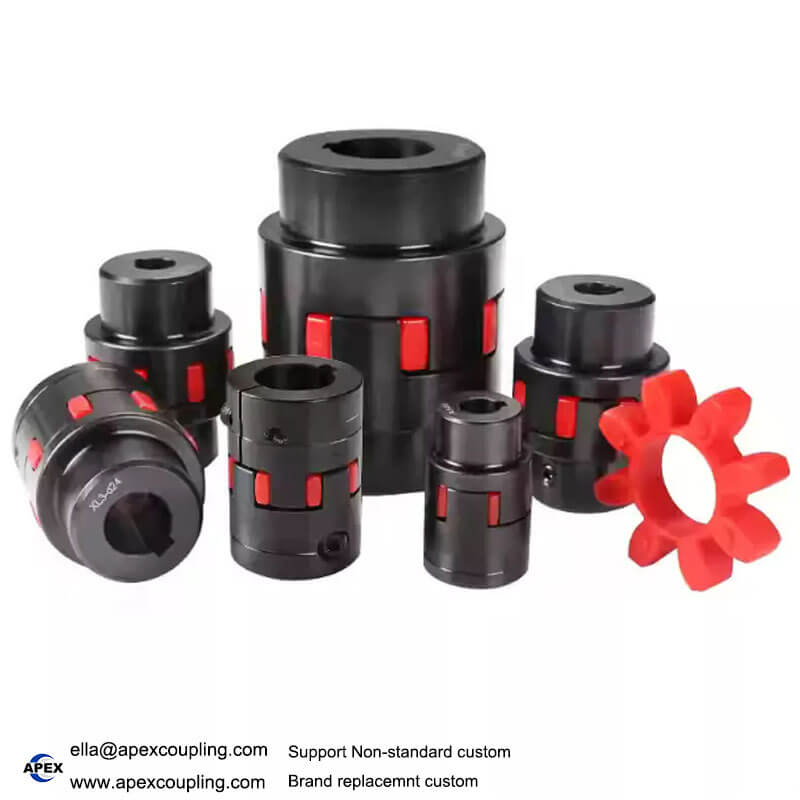
Apex Coupling: Your OEM/ODM Partner for High-Performance Flexible Shaft Couplings. We provide custom-designed, durable couplings for various industries, ensuring perfect fit and reliable power transmission. Get your solution now!  

How to choose elastic coupling?

A 5-Step Guide to Selecting an Elastic Coupling

Step 1: Understand the Core Advantage of Elastic Couplings
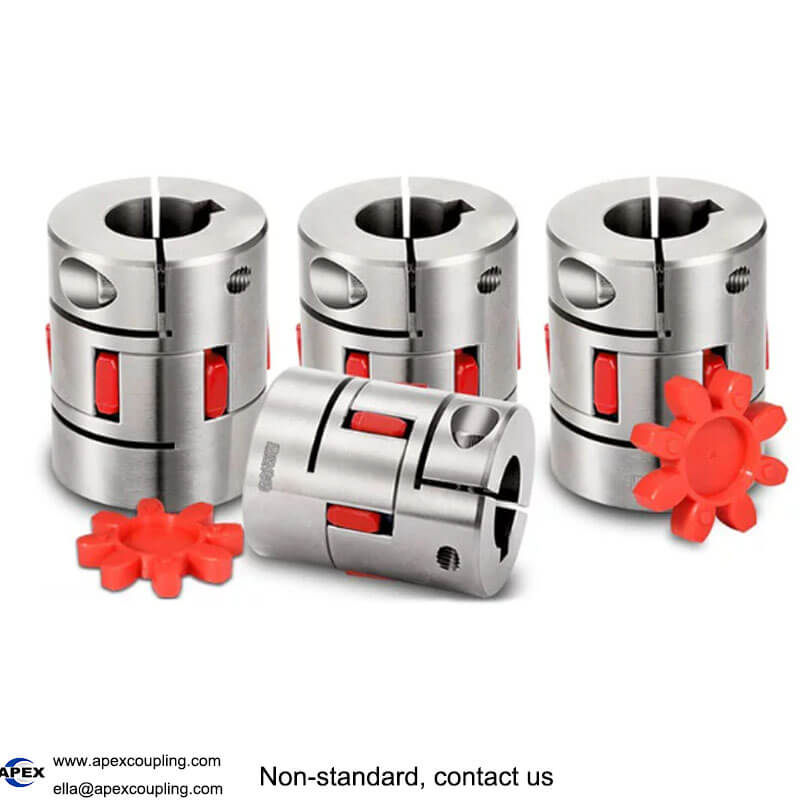
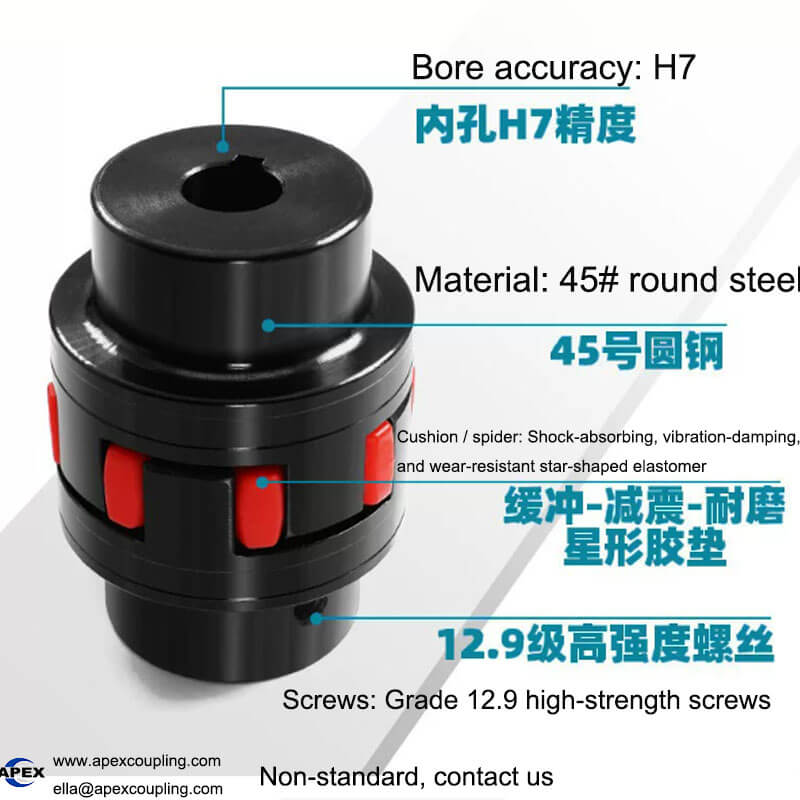
First, confirm that an elastic coupling is the right type for you. Its primary benefits come from the elastomeric element (made of NBR, Polyurethane, Hytrel, etc.).

  • Choose an Elastic Coupling if you need: Excellent vibration damping, shock absorption, electrical insulation, and good misalignment capability in a maintenance-free (no lubrication) package.

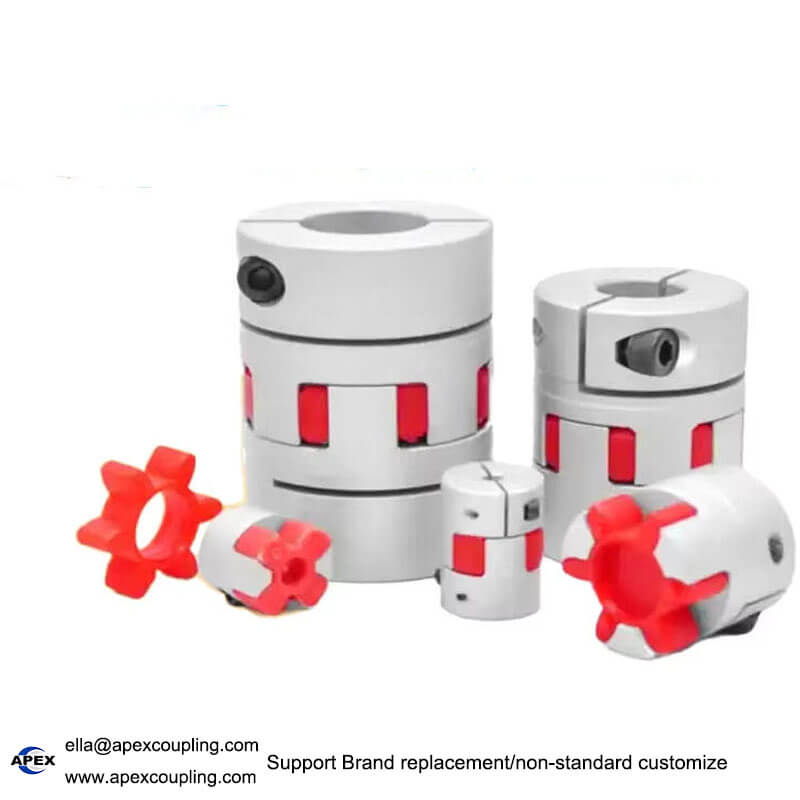
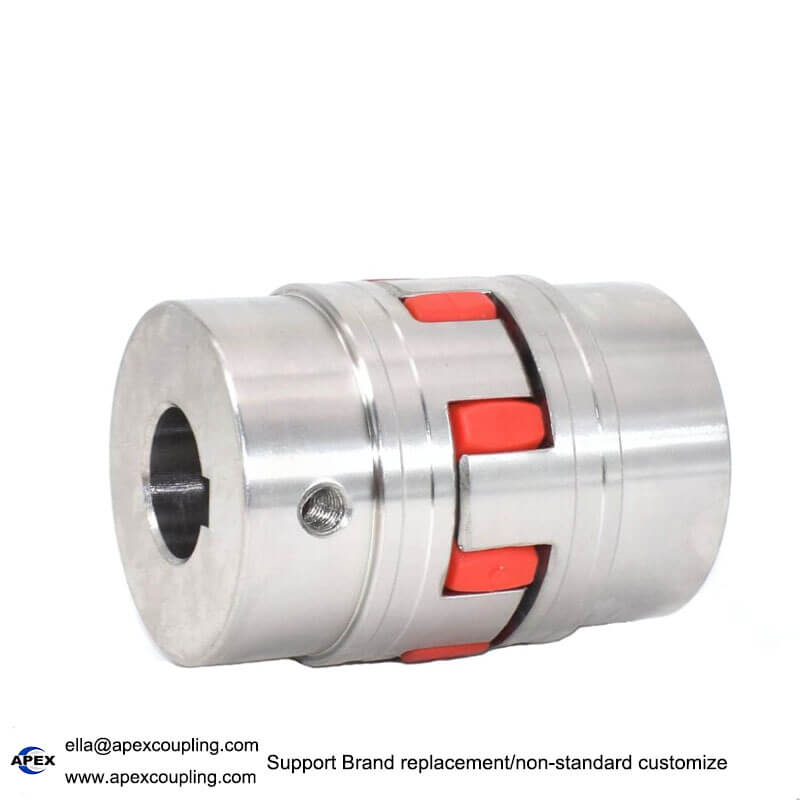
  • Common Types: Jaw Couplings, Tyre Couplings, Pin & Bush Couplings, and Spider Couplings.

Step 2: Determine Torque & Select Size
This is the most critical step to prevent under-sizing (failure) or over-sizing (inefficient and costly).

  • Calculate Required Torque: Use the formula: Torque (N-m) = [Power (kW) × 9550] / Speed (RPM).

  • Apply a Service Factor: Multiply your calculated torque by a service factor based on the driven equipment’s operational harshness. This accounts for shock loads.

    • *Examples: Centrifugal Pumps (1.5-2.0), Conveyors (1.5-2.0), Compressors (2.0-3.0), Crushers (2.0-3.5+).*

  • Match to Coupling Size: Select a coupling size where its Rated Torque is higher than your calculated torque (with service factor). Consult the manufacturer’s torque table.

Step 3: Define Shaft & Speed Requirements

  • Shaft Diameters & Keyways: Accurately measure the diameters of both the motor and driven machine shafts. Ensure the chosen coupling hub can accommodate your shaft diameters and keyways.

  • Maximum RPM: Confirm your system’s maximum operating speed is below the coupling’s maximum speed rating.

Step 4: Select the Elastomer Material & Hardness
This is where you fine-tune the coupling’s performance for your environment. The elastic element is the heart of the coupling.


Elastomer MaterialBest For / PropertiesTemperature Range (Approx.)
NBR (Nitrile Rubber)Standard choice. Excellent resistance to oils and fuels. Good all-around properties.-30°C to +100°C
Polyurethane (PU)Higher load capacity, cut-and-tear resistance, and abrasion resistance than NBR.-50°C to +70°C
Hytrel (Polyester Elastomer)High torque capacity, excellent fatigue life, and good chemical resistance.-50°C to +150°C
EPDMExcellent resistance to weather, ozone, steam, and hot water. Poor oil resistance.-50°C to +150°C
  • Hardness (Shore A): Softer elements (e.g., 80 Shore A) provide better vibration damping. Harder elements (e.g., 95 Shore A) offer higher torque capacity and torsional stiffness.

Step 5: Assess Misalignment & Environment

  • Misalignment Capacity: Elastic couplings are good for moderate angular and parallel misalignment. Check the manufacturer’s specifications for the exact limits for your chosen size.

  • Environmental Conditions:

    • Temperature: Ensure the selected elastomer can handle your ambient and operational temperatures.

    • Oils & Chemicals: Exposure to lubricants, solvents, or ozone can degrade standard rubber. Choose a material with appropriate chemical resistance.


Summary: When to Choose an Elastic Coupling?

Choose an Elastic Coupling if your application has:

  • Significant Vibration from the motor or driven equipment.

  • Shock Loads that need to be dampened.

  • Moderate Misalignment to compensate for.

  • A requirement for maintenance-free operation.

  • A need for electrical insulation between shafts.

Final Recommendation: Always consult the manufacturer’s technical catalog for precise sizing tables and service factors. The correct selection balances Torque, Speed, and Misalignment while accounting for the operating environment through the correct choice of elastomer material. For challenging applications, provide your parameters to the supplier for a verified selection.

Customization options, customized on demand, sample processing, graphic processing.

Product Support traceability of raw materials

Quality control conducted on all production lines.

R&D engineer education levels3 graduate

Choose Confidence. Choose Safety.
Contact us today to discuss how our certified quality and safety standards can protect your operations. Request a quote and receive full technical data sheets for your evaluation.
Our Commitment to You:

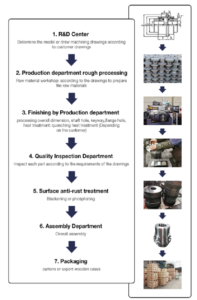
We guarantee that every coupling leaving our facility is built to perform safely and reliably. Our quality is not just a promise—it’s a result of a systematic, verifiable process built into everything we do.
    Â