How to Choose a Polyurethane Coupling Spider
A polyurethane coupling spider is the elastic element installed between the two hubs of a flexible jaw coupling. It transfers torque between the coupling jaws while providing elasticity that can help reduce shock transmission and accommodate limited shaft misalignment.
Choosing the correct spider is essential for reliable operation. An incompatible element may cause excessive wear, poor fit, overheating or premature failure.
This guide explains the main factors to consider when selecting a polyurethane coupling spider for industrial machinery.
1. What Is a Polyurethane Coupling Spider?
A coupling spider is usually shaped to fit between the jaws of a flexible jaw coupling. When the driving hub rotates, its jaws load the spider, which then transfers torque to the driven hub.
Polyurethane is used in some spider designs because its mechanical properties can provide a combination of elasticity, wear resistance and load transmission.
However, polyurethane spiders are not all identical. Material formulation, hardness, geometry and manufacturing tolerances can vary between coupling series and manufacturers.
2. Why Is Spider Compatibility Important?
The spider must match the coupling hubs in shape and dimensions. Even if two spiders have similar outside dimensions, differences in jaw geometry or contact surfaces may make them unsuitable substitutes.
Before ordering, confirm:
Coupling manufacturer or series
Coupling size and model
Spider outside dimensions
Number and shape of lobes
Spider thickness
Material and hardness
Required torque and operating speed
A model number or dimensional drawing is often the most reliable way to identify the correct replacement.
3. Understand Spider Hardness
Spider hardness influences the stiffness and elastic response of the coupling element.
A harder spider may provide greater torsional stiffness in a compatible design, while a softer element may provide more elastic deformation. The actual effect on vibration, torque capacity and service life depends on the coupling geometry and material formulation.
Do not select a spider based on hardness alone. The material must also be compatible with the operating load, speed and temperature.
If a product specification lists 98 Shore A, verify that the value applies to the exact spider model before using it as a purchasing requirement.
4. Check the Required Torque
The spider transfers torque between the coupling hubs. It must be suitable for the normal load and any additional loads produced during starting, stopping, reversing or shock events.
When evaluating torque requirements, consider:
Normal operating torque
Starting and braking loads
Frequent reversing
Shock loads
Operating hours and duty cycle
Coupling size and spider material
Always check the manufacturer’s torque rating for the complete coupling and compatible spider combination. The spider’s material hardness alone does not establish the allowable torque.
5. Consider Rotational Speed
Rotational speed affects the operating conditions of the coupling and elastic element. Higher speeds may increase the importance of balance, correct installation and temperature control.
Confirm the maximum permitted speed for the specific coupling size. Do not assume that every spider in the same product family supports the same RPM.
If the coupling will operate at high speed or under continuous duty, provide the actual operating speed and load conditions to the supplier.
6. Check Operating Temperature and Environment
Temperature can influence the mechanical properties and service life of a polyurethane spider. Oil, chemicals, moisture and other environmental factors may also affect material suitability.
Before selection, identify:
Minimum operating temperature
Maximum continuous operating temperature
Occasional temperature peaks
Contact with oils or chemicals
Dust and moisture exposure
Continuous or intermittent operation
Use the material’s verified operating limits rather than assuming that all polyurethane spiders have the same temperature resistance.
7. Identify Signs of Spider Wear
Regular inspection can help identify potential coupling problems before they cause equipment downtime.
Possible signs of wear include:
Cracks or visible damage
Excessive deformation
Missing or damaged spider lobes
Unusual vibration or noise
Excessive backlash
Discoloration or signs of overheating
These symptoms can also result from misalignment, overload, incorrect assembly or other mechanical problems. Inspect the complete coupling and connected equipment rather than replacing the spider without investigating the cause.
8. How to Replace a Coupling Spider
The replacement process depends on the coupling design.
A typical maintenance procedure includes the following steps:
Stop and isolate the machine according to the site’s safety procedures.
Confirm that the equipment cannot start unexpectedly.
Inspect the coupling hubs and remove the worn spider according to the manufacturer’s instructions.
Check the hubs for damage, excessive wear and contamination.
Confirm that the replacement spider matches the coupling model and dimensions.
Install the new element according to the specified procedure.
Check shaft alignment and fastening requirements before restarting the equipment.
Do not force an incompatible spider into the coupling. Incorrect assembly may damage the elastic element or coupling hubs.
9. How to Order the Correct Polyurethane Coupling Spider
To help identify a compatible spider, provide your supplier with:
Existing coupling model or size
Spider dimensions or a technical drawing
Required material and hardness
Operating torque and RPM
Operating temperature
Working environment
Quantity required
If the model number is unavailable, clear photographs and accurate measurements may help with identification, but compatibility should be confirmed before installation.
10. Polyurethane Spiders for Apex Coupling Products
Apex Coupling supplies flexible coupling products and can review spider requirements according to the selected coupling series and application.
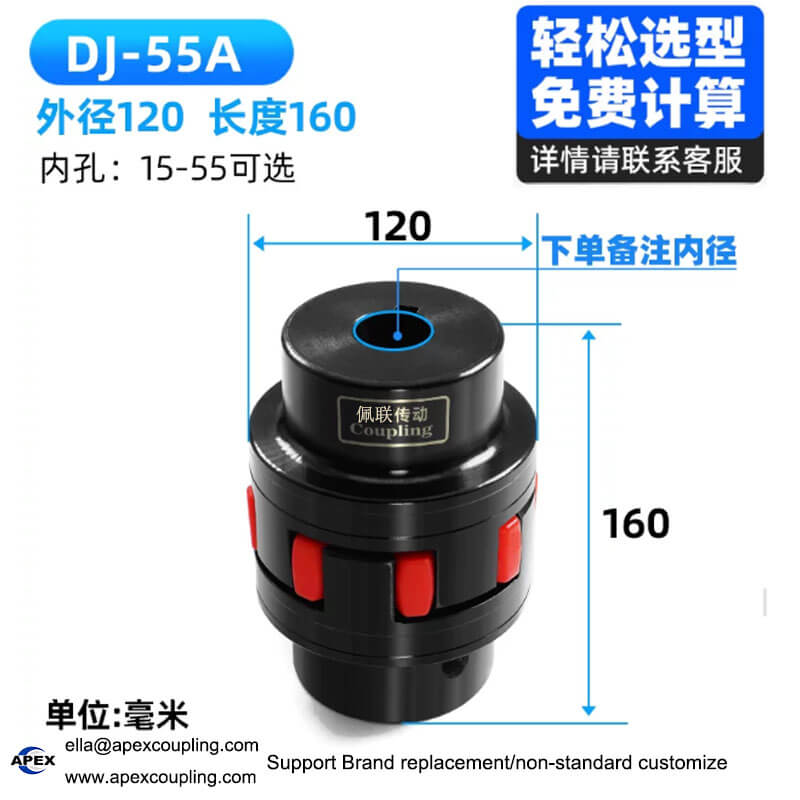
Visit the star elastic coupling product page for product information. When requesting a replacement spider, provide the coupling model, dimensions and operating conditions.
Conclusion
Choosing the correct polyurethane coupling spider requires more than matching its appearance. Compatibility, dimensions, hardness, torque, speed and temperature all affect suitability.
Confirm the spider specification for the exact coupling model and inspect the complete transmission system to help achieve reliable performance and reduce avoidable maintenance.
Inquiry now:
ella@apexcoupling.com
steel vs cast iron jaw coupling, rotex spider hardness guide, flexible coupling for motor, elastic coupling maintenance.