How to Choose a Flexible Shaft Coupling for Industrial Drives
How to Choose a Flexible Shaft Coupling for Industrial Drives
Choosing a flexible shaft coupling involves more than matching shaft diameters. The coupling must transmit the required torque, operate at the intended speed and suit the machine’s alignment, temperature and installation conditions.
This guide outlines the main factors to evaluate before selecting a coupling.
1. Determine the Required Torque
Identify the normal operating torque and any peak or starting loads. Applications involving frequent starts, stops or reversing may experience loads different from steady operation.
Always compare these requirements with the verified rating for the individual coupling model. A product family’s overall torque range should not be treated as the rating of every size.
2. Confirm Operating Speed
Provide the normal and maximum operating speed. Check the manufacturer’s allowable speed for the exact coupling configuration.
Do not assume that a coupling suitable at low speed will also be suitable for high-speed service. Installation accuracy and the complete assembly design can affect performance.
3. Measure the Shaft Dimensions
Record both shaft diameters, the required bore sizes and any keyway or fastening details.
Also check the overall installation space and the positions of the connected components. A coupling that matches the shaft bores may still be unsuitable if its dimensions do not fit the machine.
4. Evaluate Misalignment
Different coupling designs accommodate different amounts and types of shaft displacement.
Check angular, parallel and axial misalignment where applicable. Do not use a flexible coupling as a substitute for proper alignment, and do not exceed the manufacturer’s limits.
5. Consider the Operating Environment
Temperature, moisture, oil, chemicals and dust may affect component materials and service life.
Confirm that the coupling materials and elastic elements are appropriate for the environment. For applications near the stated temperature limits, ask the supplier to verify suitability for the specific model.
6. Review Starting Frequency and Impact Loads
A drive that starts frequently or experiences changing loads may require a different selection from a continuously operating drive with a stable load.
Provide details of the duty cycle and load characteristics. These factors can influence wear and the required coupling capacity.
7. Compare Maintenance Requirements
Consider how easily wear components can be inspected and replaced. Also determine whether the machine allows sufficient access for assembly and maintenance.
A simple design can be beneficial, but parts must still be compatible and installed correctly.
When to Consider an FCL Elastic Sleeve Pin Coupling
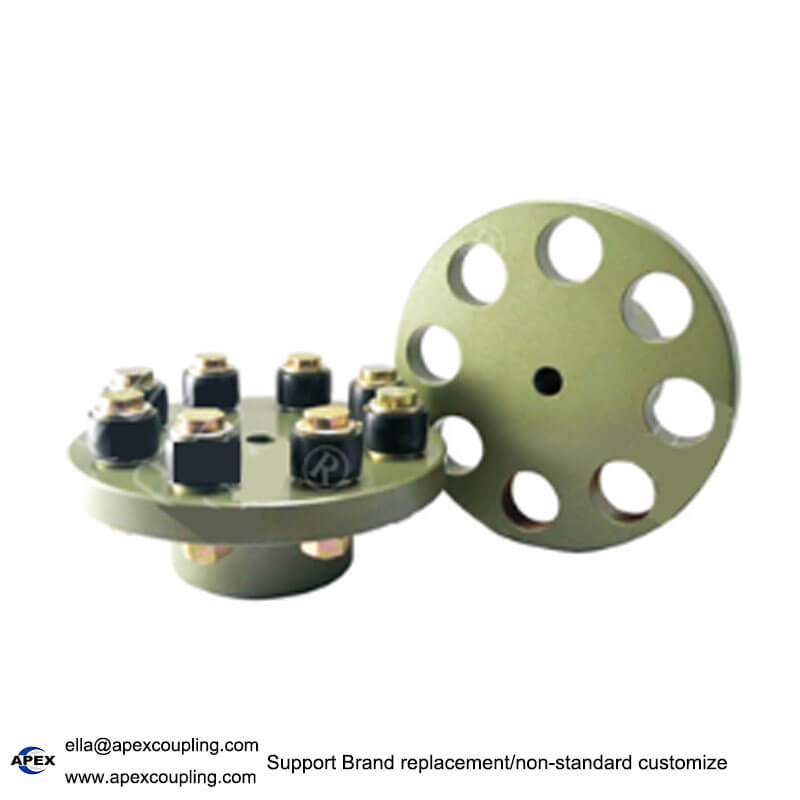
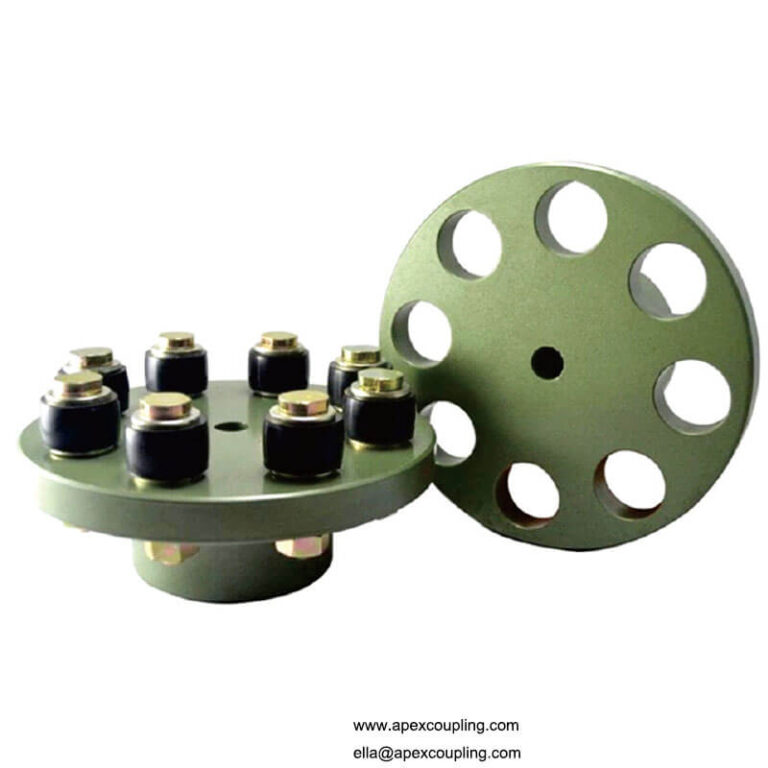
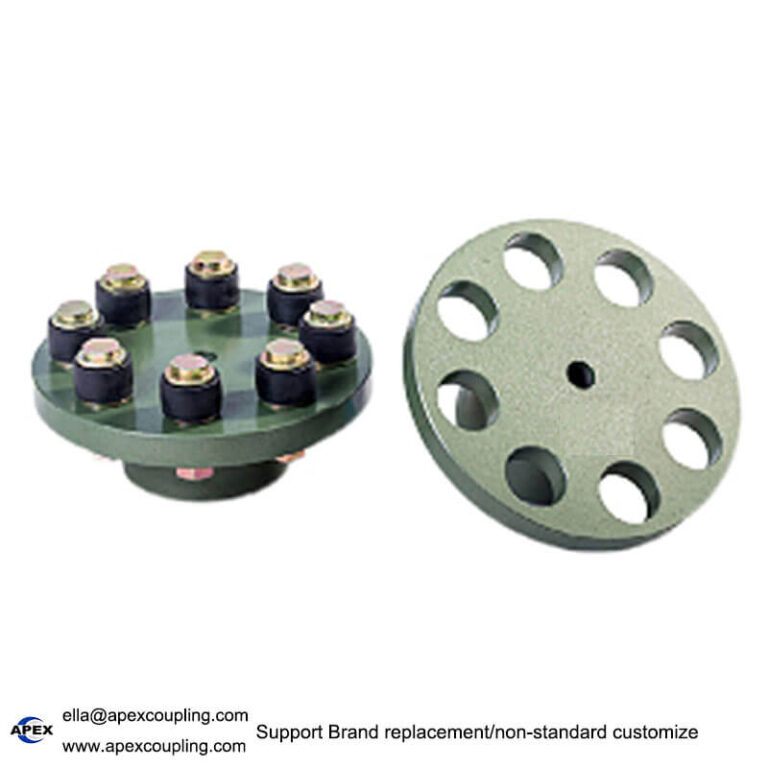
An FCL elastic sleeve pin coupling may be considered for selected motor-driven systems where the mounting base is rigid, alignment is accurate and impact loads are limited.
The supplied FCL product information lists a standard material of 45# steel and an operating temperature range of -20°C to +70°C. The stated torque range covers the series and must be checked against the chosen model.
The final selection should be based on verified dimensions and operating ratings.
Information to Prepare Before Requesting a Quote
Provide:
Required torque and operating speed
Driving and driven shaft diameters
Keyway and mounting requirements
Installation dimensions
Alignment conditions
Operating temperature and environment
Duty cycle and starting frequency
Required material and quantity
A drawing can help the supplier confirm dimensions and identify missing information.
Discuss Your Coupling Requirements with Apex Coupling
Apex Coupling supports inquiries for FCL elastic sleeve pin couplings and non-standard requirements, subject to technical review.
Email: ella@apexcoupling.com
WhatsApp: +86 13437856962
Send your operating conditions and drawing, if available, to discuss the appropriate model.
Frequently Asked Questions
Is one flexible coupling suitable for every application?
No. Different designs have different torque, speed, misalignment and environmental limits.
Can I select a coupling based only on shaft diameter?
No. Torque, speed, alignment, installation dimensions and operating conditions must also be considered.
Why does starting frequency matter?
Frequent starts and stops can affect the loads experienced by the coupling and its wear components.
Should I provide a drawing?
Yes, when available. A drawing helps clarify bore sizes, mounting features and installation dimensions.
Inquiry now:
ella@apexcoupling.com
steel vs cast iron jaw coupling, rotex spider hardness guide, flexible coupling for motor, elastic coupling maintenance.