Elastic Sleeve Coupling Maintenance and Sleeve Replacement
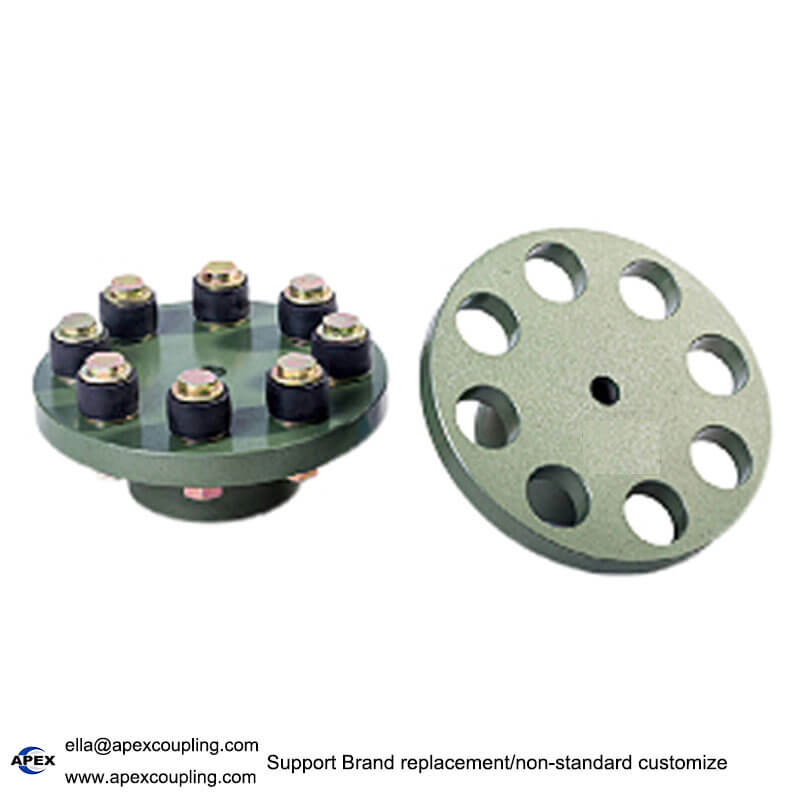
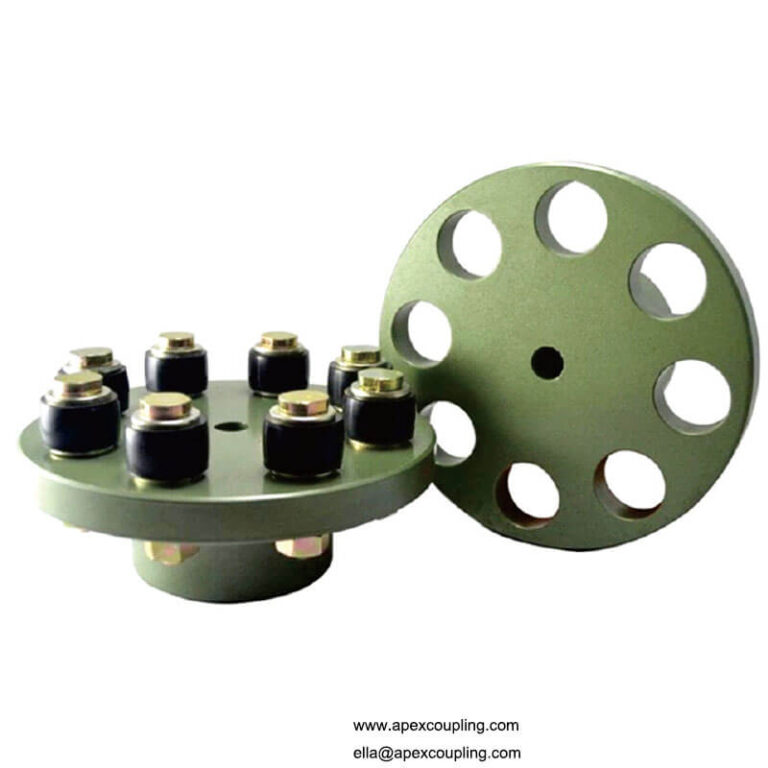
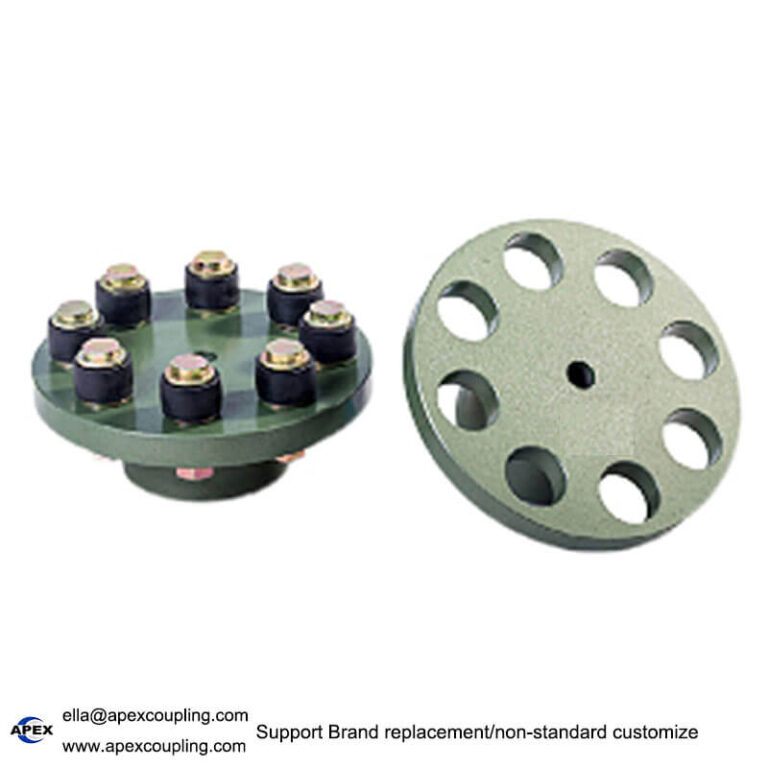
Routine inspection helps identify wear in industrial shaft couplings before it causes unexpected downtime. For an elastic sleeve pin coupling, the sleeves are important wear components because they transmit torque through the pin-and-sleeve connection.
Maintenance should follow the equipment manufacturer’s instructions and take the actual operating conditions into account.
1. Inspect the Elastic Sleeves
Check the sleeves for visible wear, cracking, deformation or other signs of deterioration.
The inspection interval depends on operating hours, load, temperature, starting frequency and environment. Equipment operating under demanding conditions may need more frequent inspection.
Replace damaged sleeves with parts confirmed to match the coupling design.
2. Check the Pins and Coupling Halves
Inspect the pins and mating components for wear, damage or deformation. Replacing a sleeve alone may not resolve a problem if the pins or coupling halves are already damaged.
Follow the manufacturer’s inspection and replacement procedures.
3. Check Shaft Alignment
Poor alignment can increase stress and wear. Check the connected shafts and mounting base when installing a coupling or investigating abnormal operation.
Do not assume that the coupling’s flexibility removes the need for accurate alignment. The permitted relative displacement must remain within the model’s specified limits.
4. Investigate Abnormal Vibration and Noise
Unusual vibration or noise can have several causes, including:
Excessive or fluctuating loads
Shaft misalignment
Worn or damaged sleeves
Damaged pins or coupling halves
Loose mounting components
Operating conditions outside the design limits
Investigate the cause rather than simply replacing the sleeves and returning the machine to service.
5. Verify Replacement Part Compatibility
Before ordering sleeves, confirm the coupling model, size, sleeve dimensions and material requirements.
A replacement that looks similar may not fit the coupling correctly. Confirm compatibility with the supplier, especially if the original part identification is missing.
6. Review Operating Conditions
Repeated sleeve wear may indicate that the coupling is being used outside its intended conditions.
Review the operating torque, peak loads, speed, temperature, alignment and starting frequency. The correct remedy may involve correcting the installation or reassessing the coupling selection.
7. Keep Useful Maintenance Records
Record the coupling model, installation date, inspection findings and any replacement parts used. Tracking recurring wear can help maintenance teams identify patterns and plan servicing.
FCL Elastic Sleeve Pin Couplings from Apex Coupling
Apex Coupling offers FCL elastic sleeve pin coupling options for selected industrial transmission systems. The supplied product information lists 45# steel as the standard material and identifies a series-wide torque range of 4–15,680 N·m.
The torque rating and other operating limits vary by model. Confirm the applicable dimensions, speed and ratings before ordering a replacement coupling or component.
Email: ella@apexcoupling.com
WhatsApp: +86 13437856962
Provide the coupling model, dimensions and operating conditions when requesting replacement or customization information.
Frequently Asked Questions
How do I know when an elastic sleeve needs replacement?
Visible damage, deterioration or abnormal operating behavior may indicate that inspection or replacement is needed. Follow the manufacturer’s maintenance instructions.
Can I replace only the elastic sleeves?
This may be possible when compatible sleeves are available and the pins and coupling halves remain serviceable. Inspect the entire assembly first.
What causes repeated sleeve wear?
Possible causes include overload, poor alignment, excessive temperature, frequent starts or stops, unsuitable parts or damaged mating components.
What information helps identify a replacement sleeve?
Provide the coupling model, sleeve dimensions, photographs and relevant operating conditions.
Inquiry now:
ella@apexcoupling.com
steel vs cast iron jaw coupling, rotex spider hardness guide, flexible coupling for motor, elastic coupling maintenance.