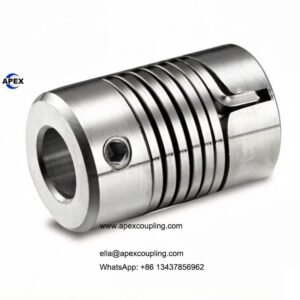
How to Choose the Right Flexible Coupler for Miniature Servo & Encoder Applications

When working with miniature servo motors or encoders, selecting the right coupling is critical for system accuracy, longevity, and reliability. In this guide, we’ll walk you through the key factors to consider, from material to misalignment compensation.

  • how to choose a flexible coupler

  • miniature servo coupling guide

  • encoder coupling selection

  • flexible coupling for stepper motor

  • low inertia coupling

  • spring coupling vs jaw coupling

Why Flexibility Matters
Flexible couplings absorb misalignment between shafts, reducing stress on bearings and improving overall system performance. The DD Series uses high-strength spring steel to handle angular, parallel, and axial deviations with ease.

 Key Selection Criteria

  • Material: Zinc alloy offers strength and low inertia; spring steel ensures flexibility.

  • Bore Tolerance: H7 tolerance ensures a precise fit, reducing vibration and wear.

  • Torque & Speed: Match the coupling’s torque rating with your motor’s output.

  • Misalignment Capacity: Ensure the coupling can handle your system’s alignment conditions.

Application-Based Recommendations

For encoders, low inertia and high precision are key. For stepper motors, flexibility and secure shaft locking matter most. The DD Series is designed to meet both needs.

Why Choose Apexcoupling

As a manufacturer with over 10 years of experience, we offer fully customizable couplings, strict quality control, and global shipping. Our DD Series is trusted by engineers in automation, packaging, and semiconductor industries.

Choosing the right coupling doesn’t have to be complicated. Focus on precision, flexibility, and supplier reliability. Contact us for expert support or custom solutions.

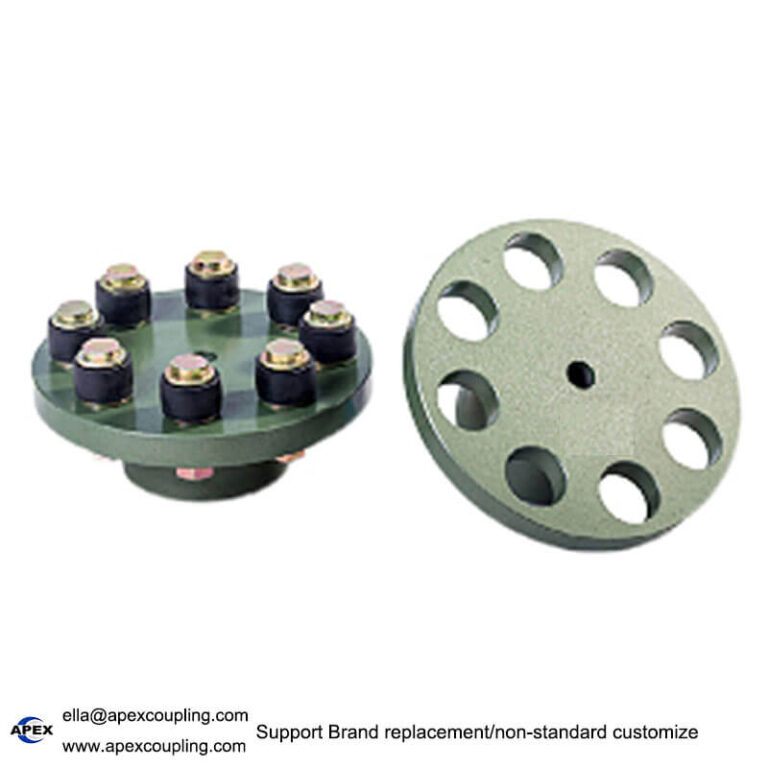
DNCG coupling
Encoder coupling