Elastic Sleeve Pin Coupling: Working Principle and Applications
Elastic sleeve pin couplings are used to connect rotating shafts in selected industrial power transmission systems. Their relatively simple construction and replaceable elastic sleeves make them an option for machinery where straightforward maintenance is important.
Understanding their operating principle helps engineers determine whether this coupling design is appropriate for a particular application.
What Is an Elastic Sleeve Pin Coupling?
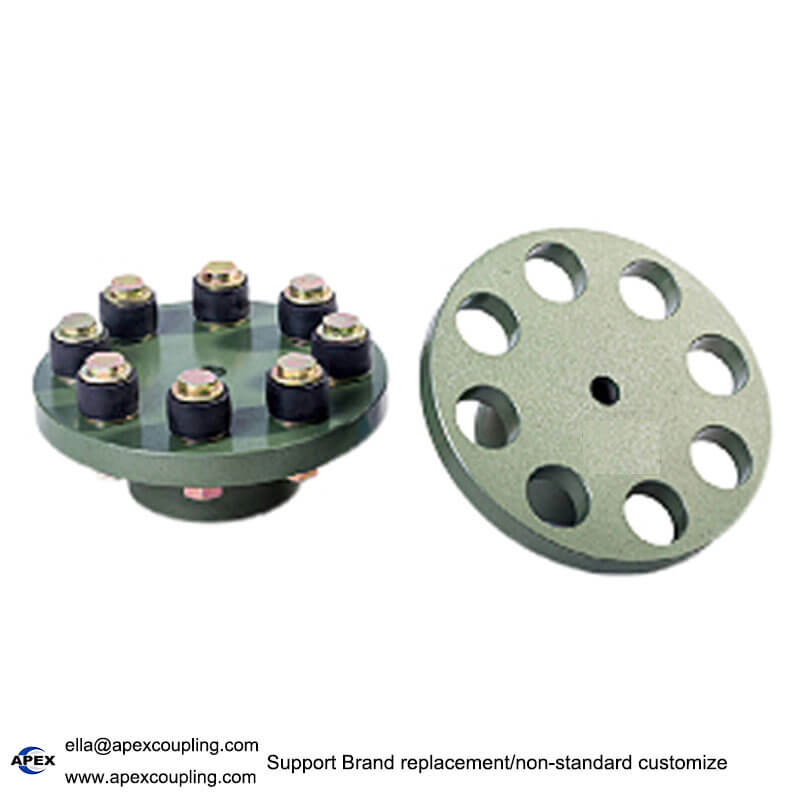
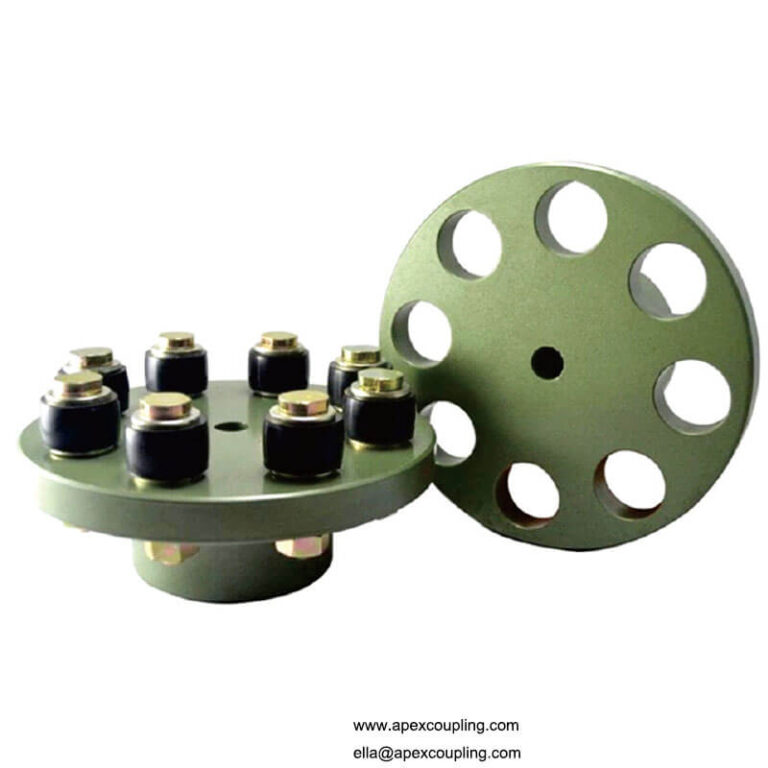
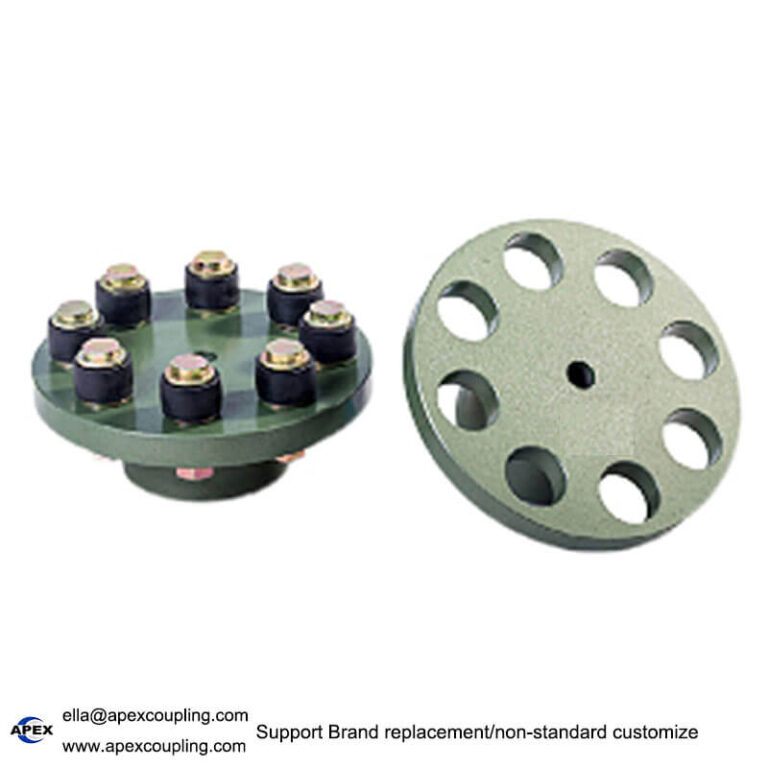
An elastic sleeve pin coupling connects two shafts through coupling halves, pins and elastic sleeves. Torque is transferred through the pin-and-sleeve connection from the driving side to the driven side.
The elastic sleeves provide a degree of flexibility. Depending on the design and operating conditions, they can accommodate limited relative displacement and reduce the transmission of some shocks.
The coupling still requires suitable alignment and must operate within its specified load and speed limits.
How Does It Transmit Torque?
When the driving shaft rotates, its coupling half transfers torque through the pins and elastic sleeves. The connection transfers the load to the opposite coupling half and the driven shaft.
The elastic sleeves deform under load. Their properties influence the coupling’s flexibility, wear behavior and suitability for the application.
The exact performance depends on the coupling size, material, sleeve specification, installation accuracy and working conditions.
Main Advantages
Simple Construction
The straightforward design can make installation and maintenance easier when the coupling is correctly selected and installed.
Replaceable Elastic Sleeves
The sleeves are wear components. Where compatible replacements are available, worn sleeves can be changed without necessarily replacing the entire coupling.
Compact Design
The design can be suitable for selected motor-driven systems where installation space and component weight matter.
Support for Changing Rotation Direction
The coupling may be used in applications involving forward and reverse rotation, provided the load, frequency and other conditions remain within the manufacturer’s ratings.
Typical Industrial Applications
Elastic sleeve pin couplings may be considered for suitable:
Pump drives
Gear reducers
Conveyors
Compressors
Hoists and winches
Textile machinery
General motor-driven transmission systems
Selection should be based on the actual duty rather than the machine category alone.
Important Selection Limitations
This coupling design is not automatically suitable for every drive system. Before selection, check:
Continuous and peak torque
Operating and maximum speed
Shaft diameters and mounting features
Permitted relative shaft displacement
Foundation rigidity and alignment accuracy
Operating temperature and environment
Expected starting frequency and impact loads
The design is generally better evaluated for applications with good alignment and limited impact loading. Confirm the specific model’s limitations before use.
Maintenance and Inspection
Inspect the elastic sleeves for wear, deformation or damage. Also check the pins and coupling halves for wear and correct assembly.
Unusual vibration, noise or rapid sleeve deterioration may indicate overload, poor alignment, unsuitable operating conditions or damaged components. Investigate the cause before installing replacement parts.
Apex Coupling FCL Series
Apex Coupling offers FCL elastic sleeve pin couplings in a range of listed sizes, from FCL90 to FCL630. The supplied specifications identify 45# steel as the standard material, with natural finish or blackening listed as surface treatment options.
Model-specific dimensions, torque, speed and allowable displacement should be confirmed before ordering.
Email: ella@apexcoupling.com
WhatsApp: +86 13437856962
Frequently Asked Questions
Can an elastic sleeve pin coupling compensate for any misalignment?
No. It can accommodate only limited relative displacement within its specified limits. Proper shaft alignment remains important.
Are the elastic sleeves replaceable?
The design uses elastic sleeves that can be replaced when compatible parts are available and the other components remain serviceable.
Is this coupling suitable for high-impact loads?
Do not assume so. Check the model-specific ratings and application requirements, especially where shock loads are significant.
What should I provide when selecting a coupling?
Provide torque, speed, shaft dimensions, mounting details, alignment conditions, temperature and duty cycle.
Inquiry now:
ella@apexcoupling.com
steel vs cast iron jaw coupling, rotex spider hardness guide, flexible coupling for motor, elastic coupling maintenance.