What Is a Flange Coupling?
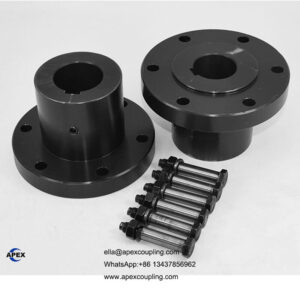
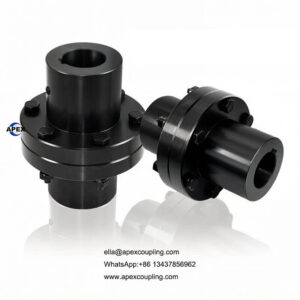
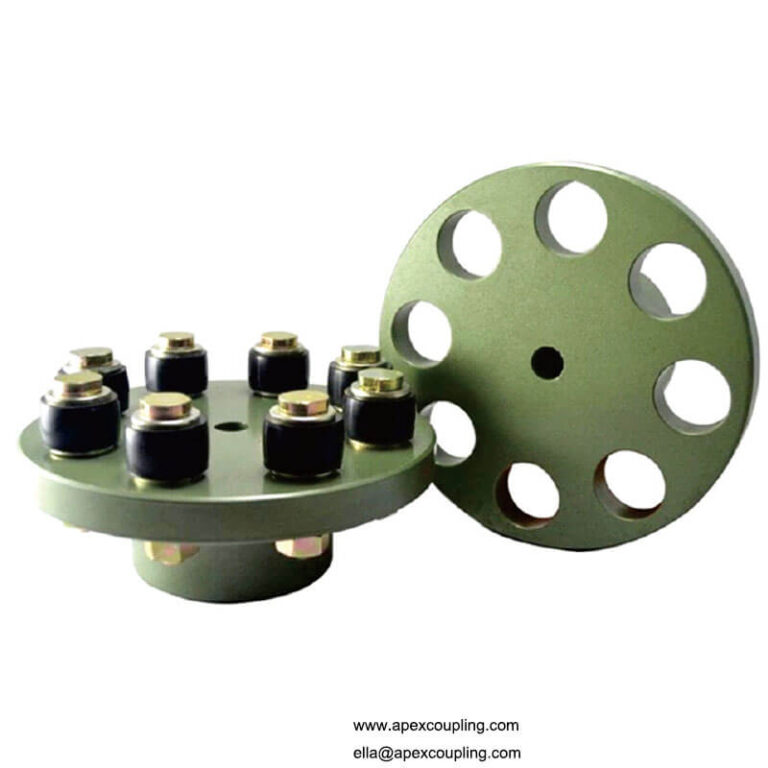
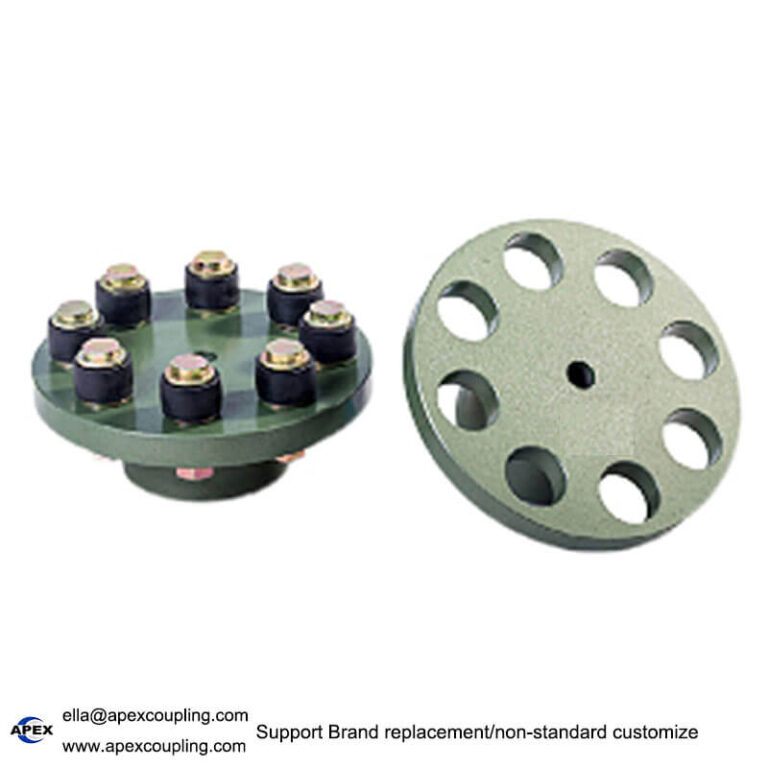
A flange coupling is a type of rigid shaft coupling used to connect two shafts for torque transmission. It consists of two flanges mounted on the shafts and connected by bolts.
Flange couplings are known for:
- High torque capacity
- Simple structure
- Easy installation
GY vs GYS vs GYH Flange Coupling
1. GY Flange Coupling
- Alignment via reamed bolt holes
- No axial movement during installation
- Suitable for general applications
👉 Best for: standard machinery
2. GYS Flange Coupling
- Uses spigot (rabbet) alignment
- Higher centering accuracy
- Requires axial movement
👉 Best for: higher precision systems
3. GYH Flange Coupling
- Reinforced heavy-duty design
- Higher torque capacity
- More durable under harsh conditions
👉 Best for: heavy industry & high torque
How to Choose the Right Flange Coupling
Consider the following:
- Torque requirement
- Shaft alignment accuracy
- Installation conditions
- Load type (static / dynamic)
👉 If high precision → choose GYS
👉 If heavy load → choose GYH
👉 If general use → choose GY
Advantages of Flange Couplings
- High efficiency (almost no power loss)
- Strong and durable
- Low maintenance
- Cost-effective solution
Conclusion
Choosing the right flange coupling depends on your application requirements. GY, GYS, and GYH each offer unique advantages for different industrial needs.