What Is a Torque Limiter Coupling?
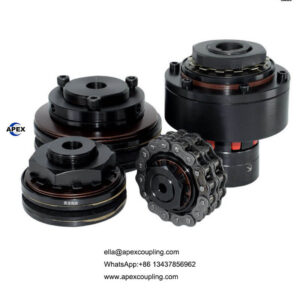
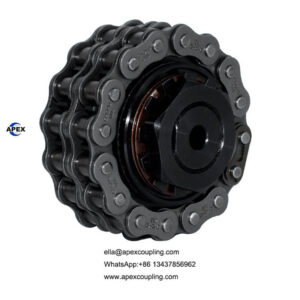
A torque limiter coupling is a mechanical safety device designed to protect machines from overload conditions. When the transmitted torque exceeds a preset value, the coupling slips or disconnects, preventing damage to critical components.
Torque limiter couplings are widely used in industrial transmission systems where sudden overloads may occur.
How Does a Torque Limiter Coupling Work?
The torque limiter coupling works based on friction or mechanical disengagement.
When torque is within the normal range, power is transmitted smoothly.
When torque exceeds the preset limit:
- The coupling slips OR
- The mechanism disengages
This protects motors, gearboxes, and shafts from damage.
Types of Torque Limiter Couplings
1. Friction Torque Limiter
- Uses friction plates
- Smooth slipping action
- Adjustable torque
2. Ball Detent Torque Limiter
- Uses spring-loaded balls
- Disconnects instantly
- High precision
3. Shear Pin Torque Limiter
- Breaks under overload
- Low cost but needs replacement
How to Choose the Right Torque Limiter Coupling
When selecting a torque limiter coupling, consider:
- Required torque capacity
- Shaft size and tolerance
- Application type
- Reset mechanism
- Operating environment
For example, friction torque limiters like TL coupling are ideal for continuous operation systems.
Applications of Torque Limiter Couplings
Torque limiter couplings are widely used in:
- Conveyor systems
- CNC machinery
- Packaging equipment
- Food processing machines
- Printing machines
Why Choose Apexcoupling Torque Limiter?
- Factory direct supply
- Custom torque settings
- Stable performance
- Fast delivery