

CONTACT US
INQUIRY US
Apex Coupling, Our Core Expertise: Customization and Quality.
Your One-Stop Custom Coupling Manufacturer
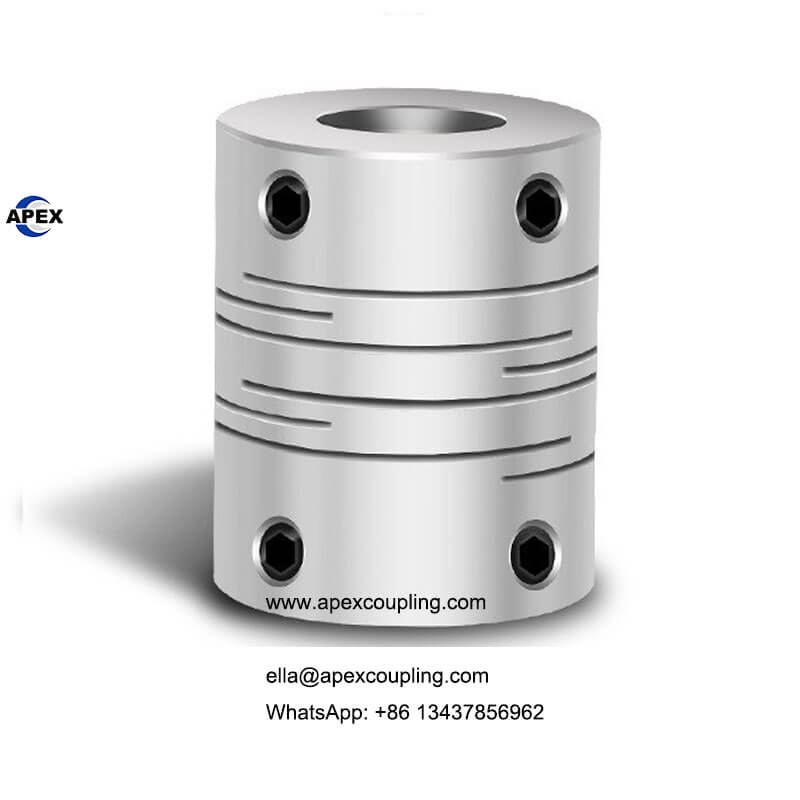
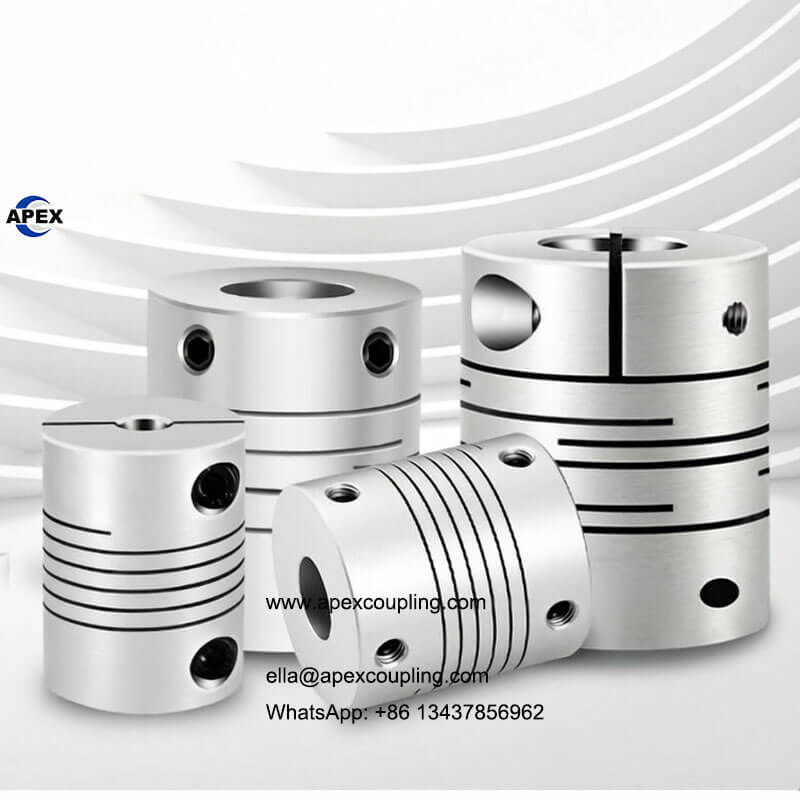
A helical beam coupling is a type of flexible shaft coupling designed to connect two shafts while compensating for misalignment. It is widely used in precision motion control systems such as encoders, servo motors, and CNC machinery.
The helical beam coupling features a one-piece design with spiral cuts along its body. These helical cuts allow the coupling to flex while transmitting torque, enabling it to handle angular, parallel, and axial misalignment.
This structure ensures smooth rotation and reduces vibration, making the helical beam coupling ideal for high-speed and high-precision applications.
A helical beam coupling is commonly used in:
When selecting a helical beam coupling, consider:
The helical beam coupling is an essential component for precision transmission systems. Its zero backlash and flexibility make it a preferred choice in modern automation.
👉 Explore our full range of helical beam coupling products at Apexcoupling. Contact us for custom solutions.
Apex Coupling, Our Core Expertise: Customization and Quality.
Your One-Stop Custom Coupling Manufacturer