98 Shore A PU Spider: Hardness, Torque and Selection
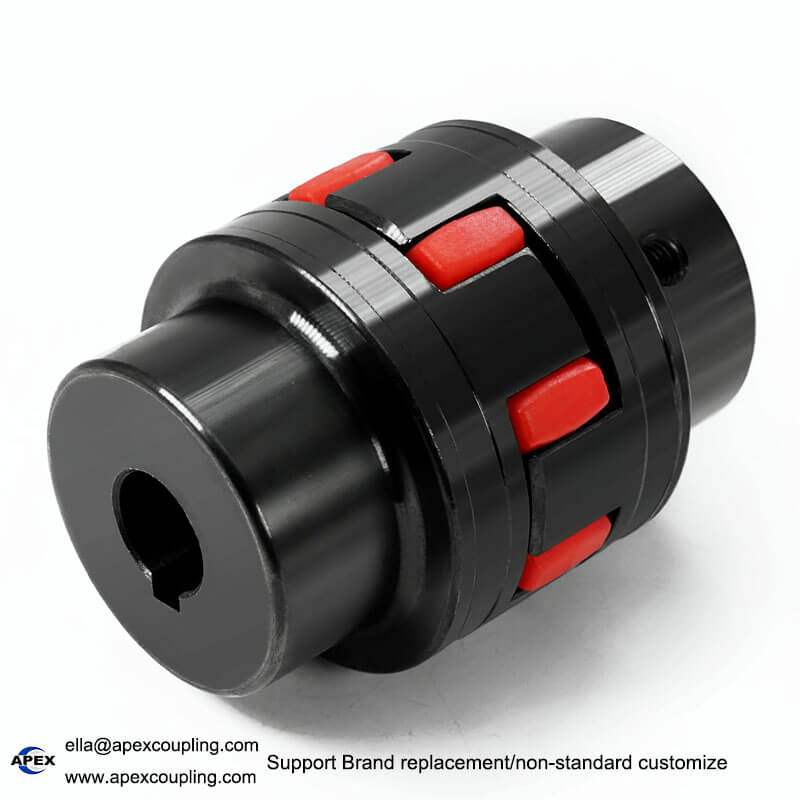
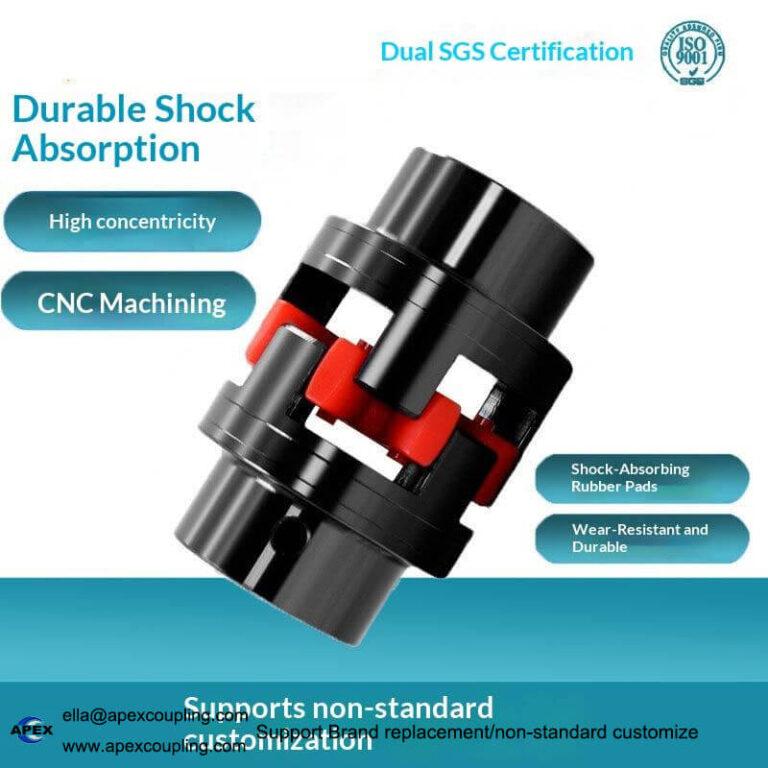
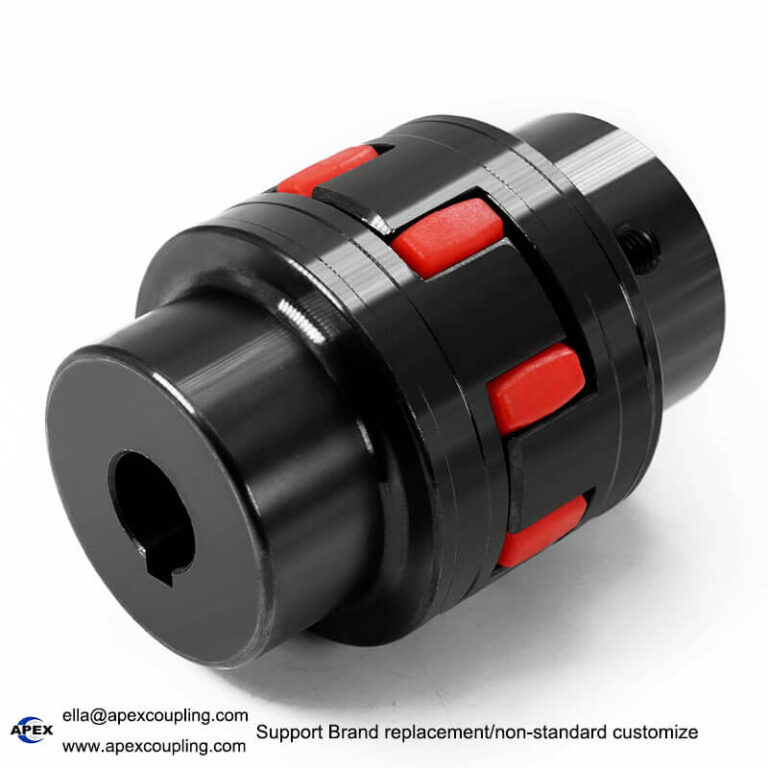
A polyurethane (PU) spider is the elastomeric element used in many flexible jaw couplings. It fits between the jaws of two metal hubs and transfers torque while allowing a degree of elastic deformation.
When choosing a replacement spider, buyers may see a hardness value such as 98 Shore A. This is useful information, but it should not be the only factor in selecting the component.
What Does 98 Shore A Mean?
Shore A is a scale used to measure the indentation hardness of elastomeric materials. The value helps describe the material’s resistance to indentation under a specified test method.
A 98 Shore A designation does not, by itself, specify the spider’s allowable torque, service life, temperature range or chemical resistance. Those properties depend on the material formulation, geometry and operating conditions.
How the PU Spider Works
In a flexible jaw coupling, the spider sits between the interlocking jaws of two hubs. When the driving shaft rotates, the first hub applies load to the spider, which transfers torque to the second hub.
The elastomer can deform under load. This helps provide flexibility and can reduce the transmission of some vibration and shock loads.
The degree of damping and torsional stiffness depends on the material and coupling design.
What to Consider When Selecting a Spider
1. Coupling Compatibility
Confirm the coupling model and the spider’s dimensions. A spider must fit the hub geometry correctly to provide the intended contact and torque transmission.
2. Torque and Duty Cycle
Provide continuous torque, peak torque, starting loads and operating frequency. The supplier should confirm that the spider and complete coupling are suitable for these loads.
3. Operating Temperature
Elastomer properties can change with temperature. Confirm the allowable operating range for the exact PU formulation rather than relying on a generic material description.
The supplied Apex Coupling product information lists -35°C to +80°C for the stated elastomer specification. Verify the range for the specific model before use.
4. Environment and Chemical Exposure
Oil, moisture, cleaning chemicals and other substances may affect elastomer performance. Provide the supplier with details of the working environment if chemical exposure is possible.
5. Torsional Stiffness and Vibration
Applications may have different priorities. Some require more damping, while others require a stiffer response. The correct spider depends on the machine’s load behavior and performance requirements.
Is a Harder Spider Always Better?
No. Hardness is only one material property. The appropriate spider must match the coupling design and application requirements.
Choosing a spider based only on hardness can lead to a mismatch in dimensions, torsional behavior or operating conditions.
Inspect the Hubs Before Replacing the Spider
Check the metal hubs for damaged jaws, wear or deformation. A new spider may not perform correctly if the mating components are damaged.
Follow the supplier’s assembly instructions and check shaft alignment before returning the equipment to service.
Apex Coupling PU Spider and Jaw Coupling Options
Apex Coupling offers ROTEX-compatible flexible jaw coupling options and supports inquiries about elastomer specifications and customized configurations.
When requesting a quotation, provide the coupling model, spider dimensions, required hardness, operating torque, speed and temperature.
Email: ella@apexcoupling.com
WhatsApp: +86 13437856962
Frequently Asked Questions
Does 98 Shore A determine the rated torque?
No. Torque capacity depends on the complete coupling design, material properties and operating conditions.
Can all 98 Shore A spiders be interchanged?
No. Dimensions, geometry, material formulation and the coupling design must be compatible.
What causes premature spider wear?
Possible causes include overload, misalignment, unsuitable temperature, chemical exposure, incorrect installation or damaged hubs.
What information should I provide when ordering?
Provide the coupling model, spider dimensions, material requirements, torque, speed and operating environment.
Inquiry now:
ella@apexcoupling.com
steel vs cast iron jaw coupling, rotex spider hardness guide, flexible coupling for motor, elastic coupling maintenance.