Star Elastic Coupling — Design, Benefits and Applications
Star Elastic Coupling: Design, Benefits and Applications
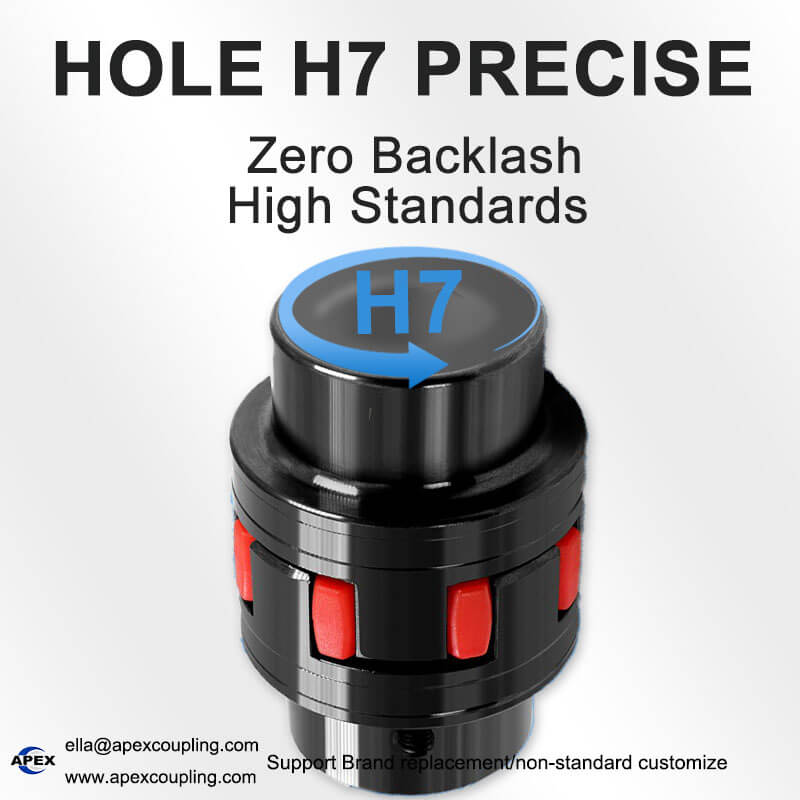
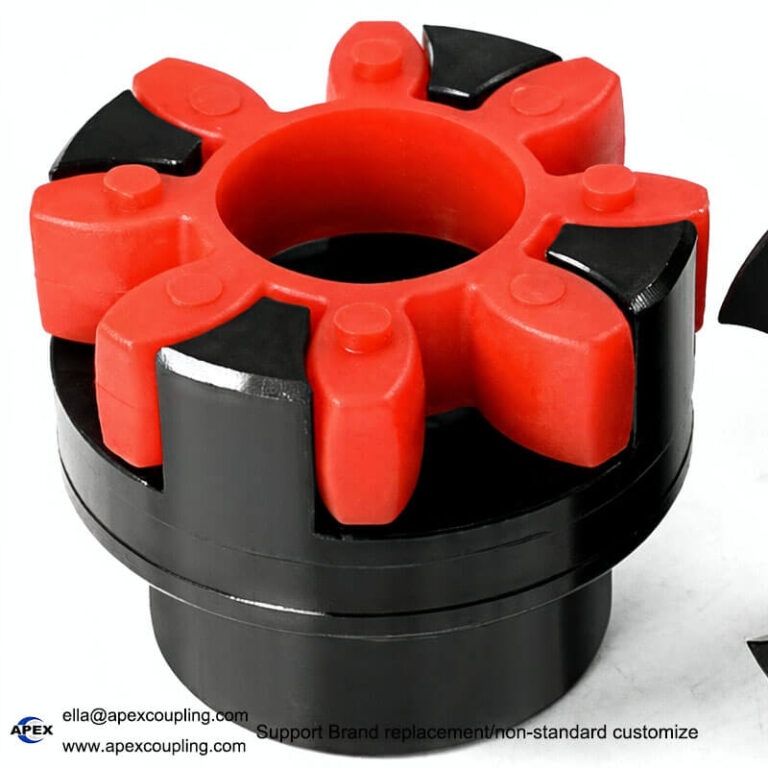
A star elastic coupling is a type of flexible jaw coupling used to transmit torque between two connected shafts. It consists of two hubs with interlocking jaws and an elastic spider positioned between them. This compact design supports reliable power transmission while helping accommodate limited shaft misalignment and reduce shock loads.
Star elastic couplings are used in a variety of industrial drive systems where simple installation, convenient maintenance and flexible torque transmission are important.
1. What Is a Star Elastic Coupling?
A star elastic coupling connects a driving shaft to a driven shaft through an elastic element commonly called a spider. The spider fits between the jaws of the two coupling hubs and transfers torque from one hub to the other.
Unlike a rigid coupling, a star elastic coupling uses an elastic element to accommodate limited displacement between the connected shafts. The actual amount of allowable misalignment depends on the coupling size, spider material and operating conditions.
This design makes the coupling suitable for many general-purpose power transmission applications.
2. How Does a Star Elastic Coupling Work?
When the driving shaft rotates, its coupling hub presses against the elastic spider. The spider transfers the torque to the jaws of the driven hub, causing the driven shaft to rotate.
During operation, the elastic element deforms slightly under load. This elasticity can help reduce the transmission of certain shocks and vibrations.
The coupling’s performance depends on several factors:
Coupling size and hub geometry
Spider material and hardness
Operating torque and rotational speed
Shaft alignment
Operating temperature and environment
Starting frequency and shock loading
Correct selection is important because excessive torque, heat or misalignment can shorten spider service life.
3. Main Benefits of Star Elastic Couplings
Compact Structure
The jaw-and-spider arrangement offers a compact design for machinery with limited installation space. Different sizes can be selected according to shaft diameter and torque requirements.
Shock and Vibration Reduction
The elastic spider provides compliance between the metal hubs. Depending on the spider material and application, it can help reduce the transmission of shocks and vibration.
Convenient Maintenance
The elastic element can be inspected and replaced when necessary. Replacement procedures depend on the coupling design and available installation space.
Multiple Shaft Connection Options
Depending on the model, couplings can be supplied with different bore sizes and shaft connection options. Customized bores may also be available.
No Routine Lubrication for the Spider
The elastic spider generally does not require routine lubrication. However, other components in the connected machine may have separate lubrication requirements.
4. Why Does Spider Material Matter?
The spider is a critical component because it transfers torque and determines much of the coupling’s elastic behavior.
Polyurethane spiders are used in many flexible jaw coupling designs because their properties can support wear resistance and elastic torque transmission. Different hardness grades and material formulations may produce different levels of stiffness, damping and temperature resistance.
Before choosing a replacement spider, confirm its dimensions, hardness, material, coupling series and operating conditions. Spiders that look similar may not be interchangeable.
5. Common Industrial Applications
Star elastic couplings may be used in compatible applications such as:
Pumps and motor-driven equipment
Gearboxes and general industrial drives
Conveyors and material-handling systems
Automation equipment
Packaging machinery
Machine tools
OEM machinery and custom transmission systems
The coupling must be sized according to the load and operating conditions of the specific machine.
6. How to Select the Right Star Elastic Coupling
Selecting a coupling involves more than matching the shaft diameter. Consider the following factors before placing an order.
Required Torque
Determine the normal operating torque and consider starting, braking and shock loads. Check the rated torque for the exact coupling size and spider configuration.
Rotational Speed
Confirm that the selected coupling and spider are suitable for the required RPM. The allowable speed may depend on coupling size, balance, load and installation conditions.
Shaft Dimensions
Measure both shaft ends and specify the required bore diameters. If the shafts have different diameters, provide both dimensions separately.
Misalignment
Estimate the expected angular, radial and axial displacement. A flexible coupling can accommodate only limited misalignment and should not be used to compensate for poor installation alignment.
Temperature and Environment
Consider operating temperature, oil exposure, moisture, dust and other environmental conditions. Choose a spider material compatible with the actual working environment.
7. Star Elastic Couplings from Apex Coupling
Apex Coupling supplies flexible coupling products for industrial power transmission. Standard sizes and selected customized configurations can be reviewed according to customer requirements.
For an accurate recommendation, provide the coupling model, shaft diameters, required torque, operating speed and installation dimensions.
Visit the star elastic coupling product page to review the product and contact our team for technical information.
Conclusion
Star elastic couplings offer a compact solution for flexible torque transmission in many industrial drive systems. Their performance depends on correct sizing, suitable spider material, shaft alignment and operating conditions.
By checking torque, speed, shaft dimensions and environmental requirements before ordering, buyers can select a coupling that better matches their equipment and maintenance needs.
Inquiry now:
ella@apexcoupling.com
steel vs cast iron jaw coupling, rotex spider hardness guide, flexible coupling for motor, elastic coupling maintenance.