How to Choose an NBR Rubber Coupling Element
An NBR rubber coupling element is used in many flexible coupling systems to transmit torque, cushion vibration and accommodate limited shaft misalignment. Choosing the correct element is important because the rubber compound and dimensions directly affect coupling performance.
This guide explains the main factors to consider when selecting an NBR rubber element for an L-type flexible jaw coupling or a compatible industrial coupling system.
1. What Is an NBR Rubber Coupling Element?
NBR stands for nitrile butadiene rubber, an elastomer commonly used where oil resistance is required.
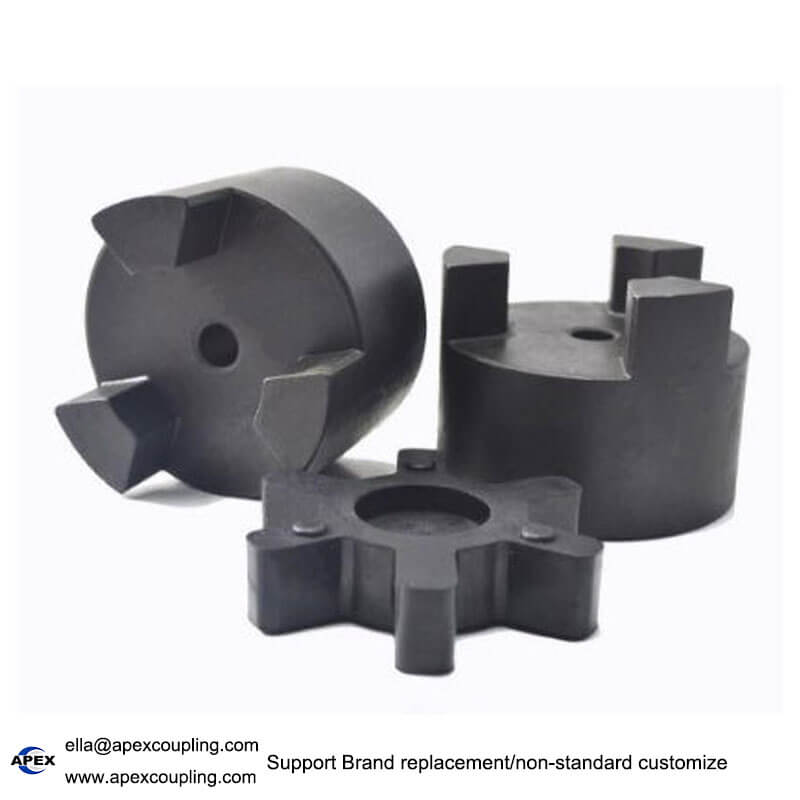
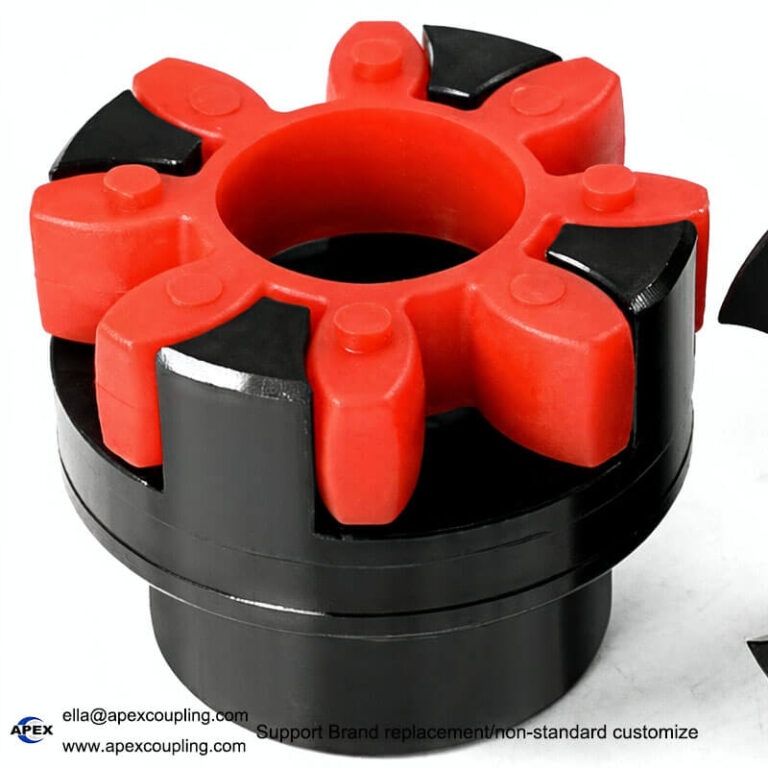
In a flexible jaw coupling, the rubber element fits between the mating jaws of the coupling hubs. As the driving shaft rotates, the element transmits torque to the driven hub while providing elastic cushioning.
The element’s performance depends on its compound formulation, hardness, shape, dimensions and operating environment.
2. Understand the Benefits of NBR
NBR is commonly selected for applications involving certain oils and lubricants. It can also provide useful wear resistance and elastic behavior when the compound is properly matched to the working conditions.
However, NBR is not universally resistant to every chemical, fluid or temperature. Compatibility should be checked against the actual substance and operating conditions.
Before choosing an NBR element, consider:
Exposure to lubricating oil or grease
Operating temperature and temperature fluctuations
Required torque
Frequency of starting and stopping
Vibration and shock loads
Expected service life
3. Match the Element to the Coupling Model
Coupling elements are not necessarily interchangeable between different coupling series.
Even if two rubber elements look similar, their dimensions, hardness and contact geometry may differ. An incorrectly fitted element can cause excessive deformation, poor torque transmission or premature wear.
Check the following dimensions before ordering a replacement:
Overall length and width
Thickness and profile
Contact geometry
Compatibility with the hub model
Required clearance and fit
When possible, provide the original part number, coupling model or a technical drawing to the supplier.
4. Check Torque and Shock Loads
The rubber element must be suitable for the torque transmitted by the coupling.
Normal operating torque is only one consideration. Starting loads, sudden stops, reversing operation and irregular loads can increase the demands placed on the element.
If the equipment experiences repeated shock loads, ask the manufacturer to review the application rather than selecting an element based only on physical dimensions.
5. Consider Operating Temperature
Temperature affects the flexibility and service life of rubber.
At elevated temperatures, some compounds may soften or age more quickly. At low temperatures, an elastomer may become less flexible. The exact response depends on the rubber formulation and operating conditions.
A temperature range listed for one NBR element should not automatically be applied to every NBR product. Confirm the recommended range for the specific element.
6. Review Oil and Chemical Compatibility
Although NBR is commonly used for oil resistance, different fluids can affect different rubber compounds in different ways.
Provide the manufacturer with details of any oil, grease, cleaning agent or chemical that may contact the element. Also mention whether contact is continuous, occasional or caused by splashing.
This information helps determine whether NBR is appropriate or whether another elastomer should be considered.
7. Recognize Signs of Element Wear
Regular inspection can help identify potential coupling problems before they lead to equipment downtime.
Possible warning signs include:
Cracking or visible surface damage
Excessive deformation
Unusual noise or vibration
Loose or damaged fastening components
Deterioration caused by heat or chemical exposure
If the element shows significant damage, inspect the coupling hubs and shaft alignment as well. Replacing the rubber element alone may not resolve the underlying cause.
Always isolate the equipment from its power source and follow the machine’s safety procedures before inspecting or servicing a coupling.
8. How to Order a Replacement NBR Element
To help identify the correct part, provide:
Coupling series and model
Element dimensions
Required torque and operating speed
Operating temperature
Oil or chemical exposure details
A photo or technical drawing, if available
For an L-type coupling, the element must match the intended L-series model. Do not assume that elements from different manufacturers or coupling series are interchangeable without checking compatibility.
9. NBR Elements for L-Type Flexible Jaw Couplings
L-type flexible jaw couplings use an intermediate elastic element to transmit torque and provide cushioning. NBR may be a suitable option for applications where its mechanical properties and fluid compatibility meet the operating requirements.
You can review our L-type flexible jaw coupling for product information and available configurations. Confirm the exact element dimensions and material specifications before placing an order.
Conclusion
Choosing an NBR rubber coupling element requires more than matching its appearance. Verify the coupling model, dimensions, torque, speed, temperature and fluid compatibility to help ensure reliable operation.
For replacement or customized requirements, contact Apex Coupling with the original model number or technical drawing so that the correct configuration can be reviewed.
Inquiry now:
ella@apexcoupling.com
steel vs cast iron jaw coupling, rotex spider hardness guide, flexible coupling for motor, elastic coupling maintenance.