L-Type Coupling Selection Guide
L-Type Coupling Selection Guide for Industrial Drives
An L-type coupling is a practical option for connecting two rotating shafts in industrial power transmission systems. Its compact structure, elastic rubber element and convenient installation make it suitable for many motor-driven machines. However, selecting the right L-type coupling requires more than matching the shaft diameter.
This guide explains how to select an L-type flexible jaw coupling by evaluating torque, rotational speed, shaft dimensions, misalignment, rubber element properties and operating conditions.
1. What Is an L-Type Coupling?
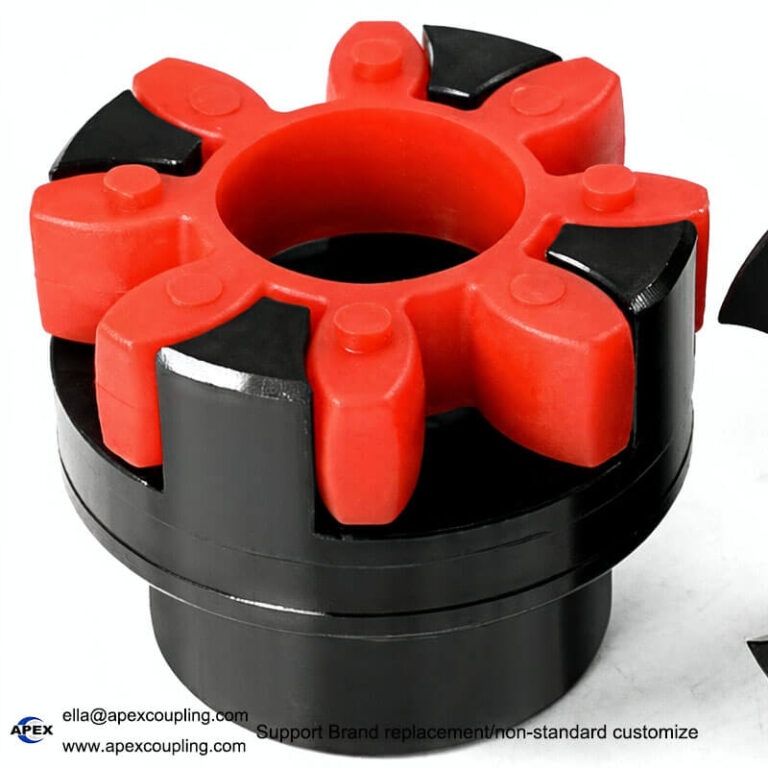
An L-type coupling is a flexible coupling that connects two shafts through mating coupling hubs and an intermediate elastic element. The elastic element transmits torque while helping cushion vibration and absorb some mechanical shocks.
Depending on the design, the coupling hubs may be manufactured from powder metallurgy, cast materials or other specified metals. The elastic element is commonly made from rubber or another suitable elastomer.
L-type couplings are used in industrial equipment where a compact, economical and serviceable shaft connection is required.
2. Check the Required Torque
Torque capacity is one of the most important factors in coupling selection. A coupling that is too small may experience excessive deformation, accelerated elastic element wear or mechanical failure.
Before choosing a size, determine the normal operating torque and consider starting loads, load fluctuations and shock conditions.
The selected coupling should have an appropriate rated torque for the actual application. Do not assume that every size in the L-type series has the same torque capacity.
If the machine starts frequently, reverses direction or experiences sudden load changes, discuss these conditions with the coupling manufacturer before ordering.
3. Confirm the Operating Speed
Rotational speed affects the coupling’s operating performance, vibration and service life.
Check the maximum allowable speed for the specific coupling size and construction. The installation should also provide suitable shaft alignment and secure fastening.
For higher-speed applications, confirm the manufacturer’s speed rating and any balancing requirements rather than relying on a general series description.
4. Measure Both Shaft Diameters
Correct bore dimensions are essential for a secure shaft connection.
Before requesting a quotation, record:
The driving shaft diameter
The driven shaft diameter
The required bore tolerance
Keyway dimensions, if applicable
The required fastening method
The available installation space
The two bore diameters may differ if the selected model supports this configuration. Confirm the available bore combinations with the supplier.
5. Choose a Suitable Rubber Element
The elastic element affects the coupling’s flexibility, damping characteristics, temperature suitability and resistance to environmental exposure.
NBR rubber is commonly selected when oil resistance is important. However, its suitability depends on the rubber formulation, operating temperature and the specific oil or chemical involved.
When selecting a replacement element, verify its dimensions and compatibility with the coupling hubs. An element that looks similar may not have the correct fit or mechanical properties.
6. Consider Shaft Misalignment
Flexible couplings can accommodate limited shaft misalignment, but they cannot compensate for unlimited installation errors.
The relevant factors include:
Radial misalignment
Angular misalignment
Axial displacement
Always check the allowable values for the selected model. Correct alignment helps reduce unnecessary loads on the coupling and connected equipment.
7. Evaluate the Operating Environment
The machine’s environment can influence material selection and maintenance requirements.
Consider whether the coupling will be exposed to oil, moisture, dust, elevated temperatures or frequent start-stop cycles. Select the hub material, surface treatment and elastic element accordingly.
For unusual operating environments, provide the manufacturer with the relevant conditions before confirming the order.
8. How to Choose an L-Type Coupling Size
A practical selection process is to collect the application data first, then compare suitable models against the manufacturer’s technical table.
The L035–L276 series may cover different installation and transmission requirements, but the exact dimensions, torque ratings and speed limits must be checked for each model.
For a more accurate recommendation, prepare the following information:
Coupling model or required outside diameter
Both shaft bore diameters
Required torque and operating speed
Keyway or fastening requirements
Expected shaft misalignment
Operating temperature and environmental conditions
Installation dimensions or a technical drawing
9. Why Consider an L-Type Flexible Jaw Coupling?
An L-type flexible jaw coupling can be a useful choice when the application requires a compact shaft connection, convenient assembly and an elastic element that can be inspected or replaced.
Its actual suitability depends on the coupling size, materials, load conditions and installation quality. Correct selection helps improve reliability and reduces avoidable maintenance.
If you are comparing sizes, review the technical specifications of our L-type flexible jaw coupling and confirm the required configuration before ordering.
Conclusion
Selecting an L-type coupling involves checking torque, speed, bore dimensions, elastic element compatibility, shaft alignment and the operating environment. Matching these factors to the correct model helps ensure reliable power transmission.
For standard sizes or customized requirements, contact Apex Coupling with your shaft dimensions and application details for technical review and a quotation.
Inquiry now:
ella@apexcoupling.com
steel vs cast iron jaw coupling, rotex spider hardness guide, flexible coupling for motor, elastic coupling maintenance.