Expansion Sleeve Locking for Shaft Couplings: A Guide
The shaft connection is an important part of coupling selection. An expansion sleeve locking arrangement is designed to secure a hub to a shaft using a specified clamping mechanism. The exact construction and installation procedure depend on the coupling design.
This guide outlines the main considerations when evaluating an expansion sleeve coupling.
What Is an Expansion Sleeve Coupling?
An expansion sleeve coupling uses a designed sleeve or clamping arrangement to secure the connection between a shaft and a coupling component. The purpose is to provide a suitable shaft-to-hub connection for the intended application.
The term can refer to different mechanical designs. Buyers should confirm the actual construction shown in the supplier’s drawing rather than assume all products use the same mechanism.
Why the Shaft Connection Matters
A coupling must transmit the required torque without slipping under the specified operating conditions. Shaft diameter, fit, surface condition, installation method and the locking arrangement can all affect connection performance.
Incorrect assembly or unsuitable dimensions can compromise the connection. Follow the manufacturer’s instructions for the exact product.
What to Check Before Ordering
Shaft Diameter and Fit
Measure the shaft accurately and confirm the required bore tolerance. The supplied DLZ series information identifies H7 bore tolerance, but the final fit should be confirmed for the selected model.
Locking Arrangement
Request a drawing that shows how the hub is secured to the shaft. Confirm any required clamping components, tightening procedure and installation clearance.
Torque and Speed
Provide continuous torque, peak torque and operating speed. Obtain the verified allowable ratings for the complete coupling and locking assembly.
Installation Space
Check the outer diameter, overall length and clearance required to assemble or remove the coupling.
Maintenance Access
Consider whether the coupling can be inspected and serviced within the machine layout. Follow the manufacturer’s recommendations for inspection and reassembly.
Expansion Sleeve Connections in Jaw Couplings
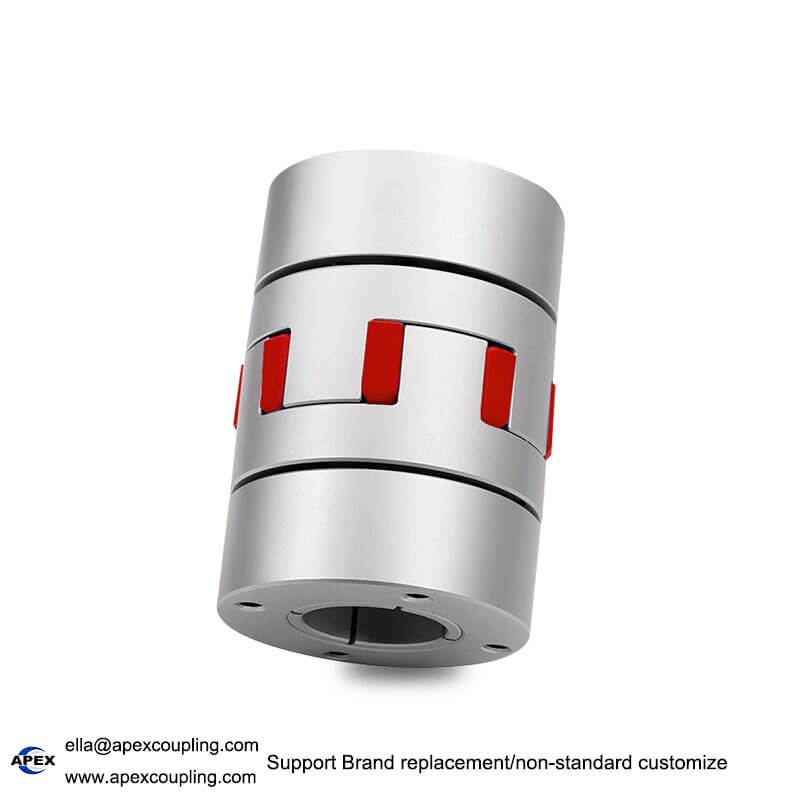
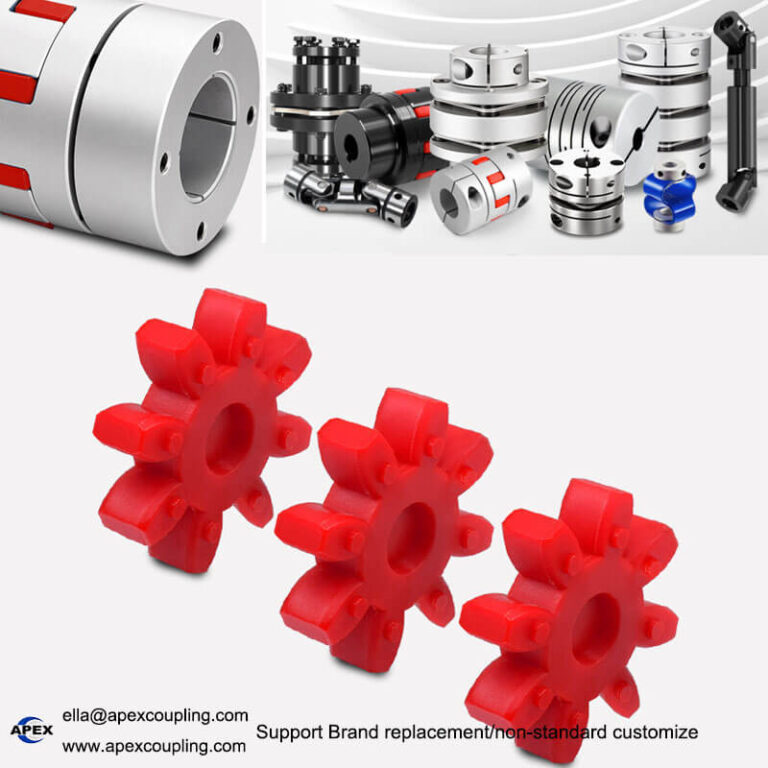
Some jaw coupling designs combine a specific shaft locking arrangement with two hubs and an elastic spider. The spider transmits torque between the hubs and provides a degree of flexibility.
The locking arrangement and the elastic element serve different purposes: the shaft connection secures the hub to the shaft, while the spider forms the flexible connection between the hubs.
DLZ Series from Apex Coupling
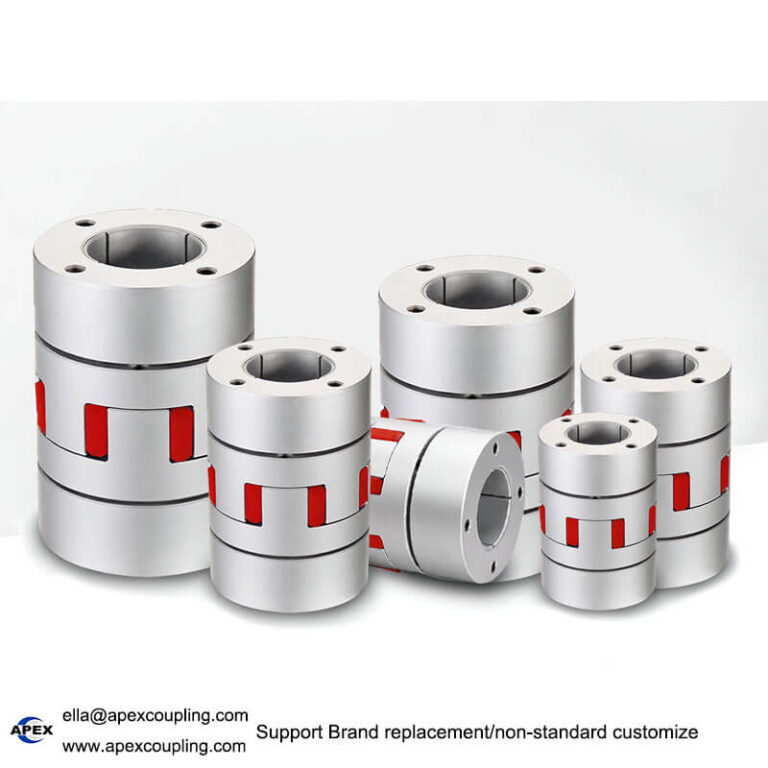
Apex Coupling supplies DLZ series aluminum alloy jaw coupling options described with an expansion sleeve locking structure and PU spider. Dimensions, locking details and performance ratings should be verified against the selected model drawing.
For a quotation, provide shaft diameters, required torque, operating speed and installation dimensions.
Email: ella@apexcoupling.com
WhatsApp: +86 13437856962
Frequently Asked Questions
Does every expansion sleeve coupling use the same installation method?
No. The design and installation procedure vary. Follow the instructions for the exact model.
Why is bore tolerance important?
The shaft and bore fit must be appropriate for the specified connection design. Confirm the required tolerance and dimensions before ordering.
Can the coupling be selected by shaft diameter alone?
No. Torque, speed, installation space, locking method and operating conditions must also be checked.
What should I request from the supplier?
Ask for a dimensioned drawing, installation instructions and verified torque and speed ratings for the selected model.
Inquiry now:
ella@apexcoupling.com
steel vs cast iron jaw coupling, rotex spider hardness guide, flexible coupling for motor, elastic coupling maintenance.