Aluminum Alloy Jaw Coupling: Benefits and Selection Guide
Aluminum alloy jaw couplings are used in compatible power transmission systems where a lightweight hub design and an elastic connecting element are useful. The correct coupling must match the connected shafts and meet the application’s torque, speed and alignment requirements.
This guide explains what to check when evaluating an aluminum alloy jaw coupling for industrial machinery.
What Is an Aluminum Alloy Jaw Coupling?
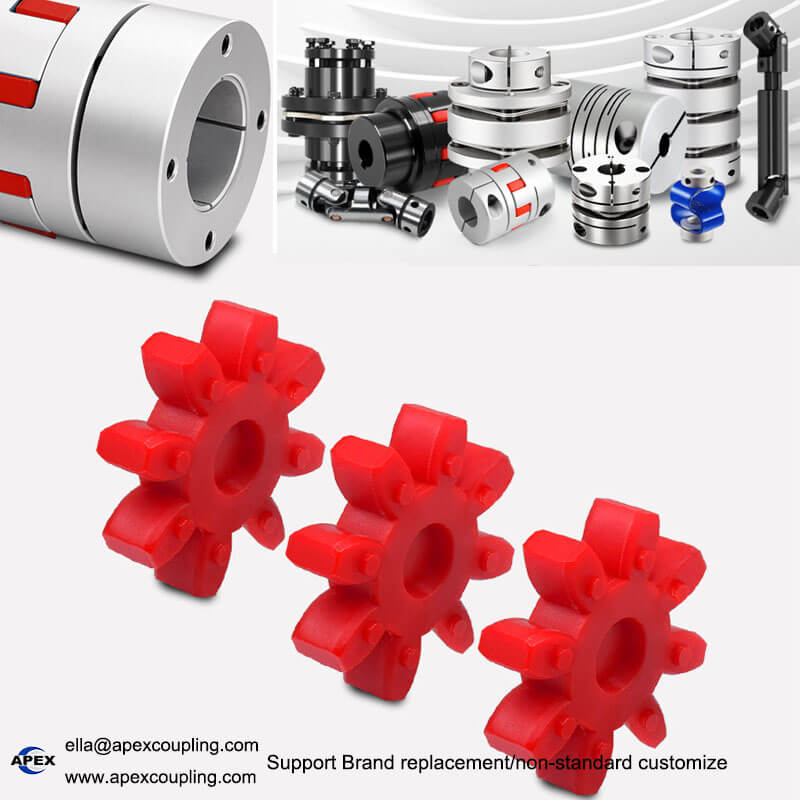
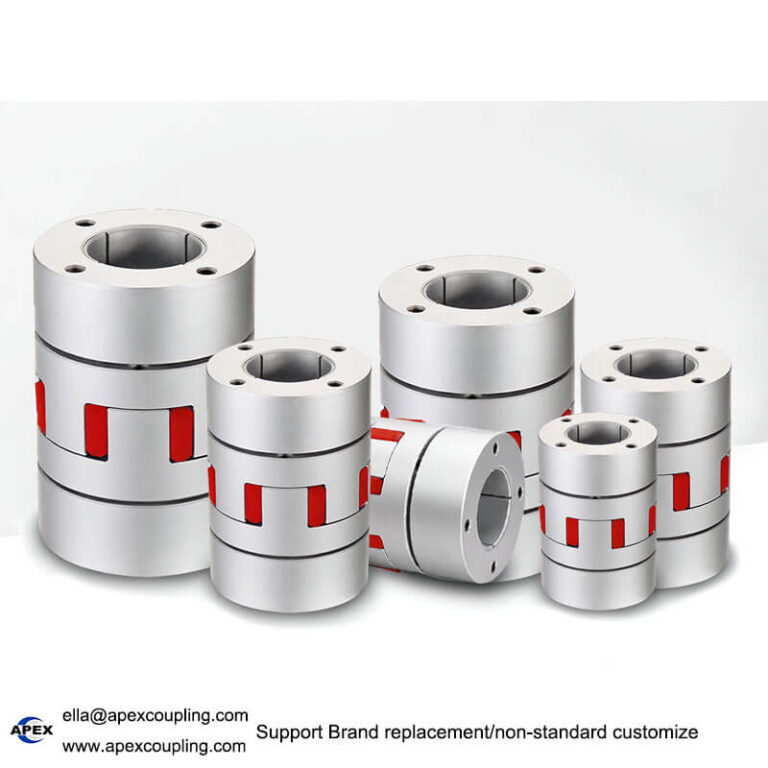
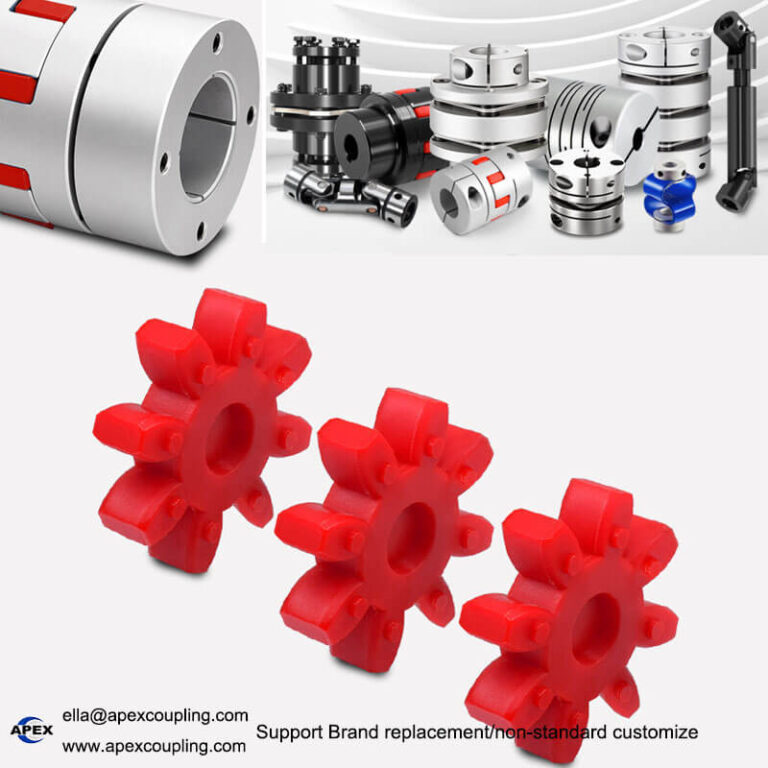
A jaw coupling generally uses two hubs with interlocking jaws and an elastic spider positioned between them. The hubs connect to the driving and driven shafts, while the spider transfers torque between the hubs.
An aluminum alloy design uses aluminum alloy for the hubs. The specific performance depends on the alloy, geometry, shaft connection, spider material and operating conditions.
Potential Benefits of Aluminum Alloy Hubs
Reduced Hub Weight
Aluminum alloy is generally lighter than steel, which can be useful where rotating mass and component weight matter.
Compact Construction
The hub design can suit applications where installation space is limited, provided the selected coupling dimensions meet the machine requirements.
Flexible Drive Connection
The elastic spider provides a degree of flexibility and can help damp some vibration and shock. The actual effect depends on the spider material and coupling design.
Configurable Shaft Connections
Depending on the product design, bore dimensions and connection details may be available in different configurations. Confirm the available options with the supplier.
Why the Spider Matters
The spider is a working component that influences torsional behavior, damping and coupling performance. Confirm its geometry, material, hardness and operating temperature limits.
A spider should not be selected by appearance alone. It must be compatible with the hubs and the application.
How to Select the Right Coupling
1. Confirm Shaft Dimensions
Measure both shaft diameters and identify the required bore fit and fastening arrangement.
2. Verify Torque and Speed
Provide continuous torque, peak torque, operating speed and duty cycle. Ask the supplier to confirm the allowable ratings for the exact model.
3. Check Alignment
Confirm the manufacturer’s permitted misalignment limits. Correct installation and shaft alignment remain important.
4. Review the Operating Environment
Temperature, oil, chemicals and other environmental conditions can affect the elastomer and coupling performance.
5. Request a Drawing
Verify outer diameter, overall length, bore sizes, locking arrangement and assembly requirements before ordering.
DLZ Series Aluminum Alloy Couplings from Apex Coupling
Apex Coupling offers DLZ series aluminum alloy jaw coupling options with an expansion sleeve locking design and PU spider, subject to model-specific verification.
When requesting a quotation, provide the shaft diameters, required torque, speed, installation dimensions and any customization requirements.
Email: ella@apexcoupling.com
WhatsApp: +86 13437856962
Frequently Asked Questions
Are aluminum alloy couplings suitable for every application?
No. The appropriate design depends on torque, speed, shaft connection, environment and other operating requirements.
Does the material alone determine torque capacity?
No. The complete coupling geometry, hub connection, spider and operating conditions all matter.
Can the bore be customized?
Customization depends on the model and technical feasibility. Provide the required shaft dimensions and connection details.
Why should I request a drawing?
A drawing helps verify bore sizes, overall dimensions, mounting features and the locking arrangement before ordering.
Inquiry now:
ella@apexcoupling.com
steel vs cast iron jaw coupling, rotex spider hardness guide, flexible coupling for motor, elastic coupling maintenance.