GR Coupling Spider: Complete Guide to GR Type Jaw Coupling Inserts
GR Coupling Spider: Complete Guide to GR Type Jaw Coupling Inserts
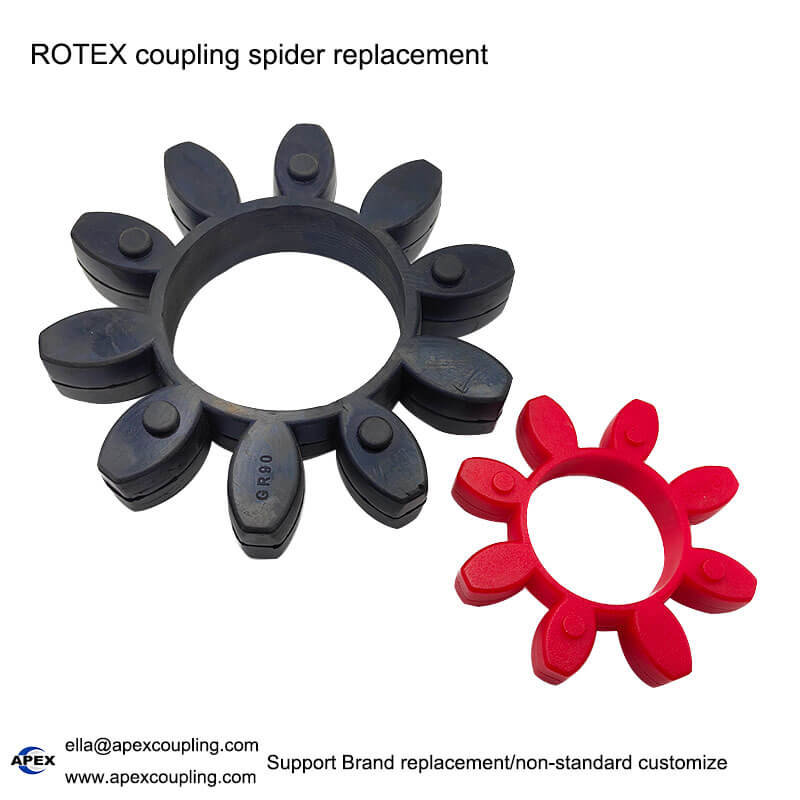
A GR coupling spider is the flexible polyurethane elastomer installed between the two hubs of a curved jaw coupling. It provides elastic torque transmission while helping absorb vibration, shock and small amounts of shaft misalignment.
GR-type coupling spiders are widely used in industrial machinery because the elastomeric insert can be replaced without replacing the complete coupling assembly.
For applications requiring a durable replacement component, 98 Shore A polyurethane coupling spiders are available in multiple ROTEX-type and GR-compatible sizes.
What Is a GR Coupling Spider?
A GR coupling spider, also called a GR coupling insert, is the elastic element used in a jaw coupling.
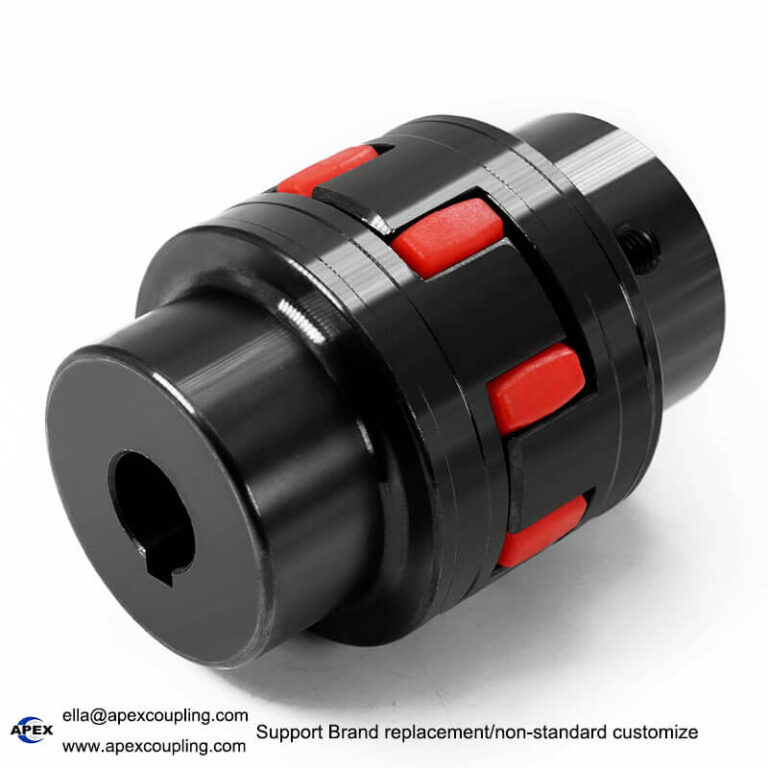
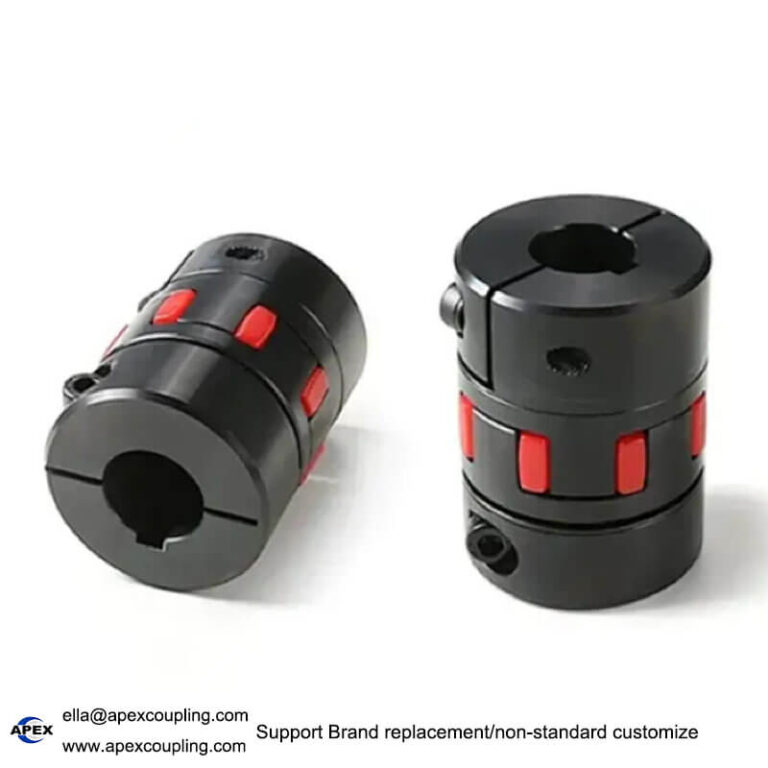
A typical jaw coupling consists of:
- Two metal hubs
- A polyurethane spider
- Matching jaws on the hubs
- A shaft connection between the driven and driving equipment
The spider fits between the jaws of the two hubs. When the equipment operates, torque is transmitted through the elastomer.
Unlike a rigid shaft connection, the flexible spider allows the coupling to provide damping and limited misalignment compensation.
How Does a GR Coupling Spider Work?
The working principle is relatively simple.
The driving hub rotates and its jaws engage with the flexible spider. The spider then transfers torque to the jaws of the driven hub.
During operation, the polyurethane element also deforms slightly.
This deformation helps:
- Reduce torsional shock
- Dampen vibration
- Reduce transmission of mechanical impact
- Compensate for limited angular and parallel misalignment
- Protect connected shafts and equipment
The spider is therefore an important working component rather than simply a spacer between two hubs.
GR Coupling Spider Material
Polyurethane is one of the most common materials used for GR-type coupling spiders.
A polyurethane spider can provide a useful combination of:
- Elasticity
- Wear resistance
- Mechanical strength
- Vibration damping
- Fatigue resistance
- Long service life under suitable operating conditions
Different hardness grades can produce different coupling characteristics.
For example, a harder elastomer generally provides higher torsional stiffness, while a softer elastomer can provide greater flexibility and damping.
What Does 98 Shore A Mean?
98 Shore A refers to the hardness of the polyurethane elastomer.
Hardness is an important consideration when selecting a coupling spider because it influences the coupling’s torsional behavior, flexibility and damping characteristics.
For applications requiring a relatively firm polyurethane element, a 98 Shore A coupling spider can be considered when the operating conditions and coupling specifications are suitable.
Always confirm the required hardness according to the coupling design and application.
GR Coupling Spider Sizes
GR-type coupling spiders are available in multiple sizes.
Apex Coupling supplies ROTEX-type / GR-compatible polyurethane coupling spiders in sizes corresponding to applications from smaller industrial couplings through larger shaft coupling assemblies.
Available sizes include:
- ROTEX 14
- ROTEX 19
- ROTEX 24
- ROTEX 28
- ROTEX 38
- ROTEX 42
- ROTEX 48
- ROTEX 55
- ROTEX 65
- ROTEX 75
- ROTEX 90
- ROTEX 100
- ROTEX 110
- ROTEX 125
- ROTEX 140
- ROTEX 160
- ROTEX 180
The correct spider should always be selected according to the actual coupling size and operating requirements.
How to Choose a GR Coupling Spider
Before ordering a replacement, check the following information:
1. Coupling Size
Identify the coupling or spider size.
For example, the required component may correspond to a ROTEX 42, ROTEX 55 or ROTEX 90 configuration.
2. Elastomer Hardness
Check the required hardness.
A 98 Shore A spider should not automatically be substituted for another hardness grade without confirming compatibility.
3. Material
Confirm that polyurethane is suitable for the operating environment.
4. Torque
Check the transmitted torque of the application.
5. Speed
The operating speed should also be checked against the allowable performance of the selected coupling and spider.
6. Operating Environment
Consider:
- Temperature
- Oil exposure
- Chemicals
- Dust
- Moisture
- Continuous or intermittent operation
These factors can affect elastomer service life.
When Should a GR Coupling Spider Be Replaced?
A coupling spider should be inspected regularly.
Common signs of wear include:
- Cracks
- Excessive deformation
- Missing elastomer material
- Surface deterioration
- Increased coupling backlash
- Excessive vibration
- Abnormal coupling noise
- Reduced torque transmission performance
If significant deterioration is found, replacing the spider can help restore the intended coupling performance.
GR Coupling Spider vs Complete Coupling Replacement
One advantage of a jaw coupling is that the elastomeric spider can often be replaced separately.
This means maintenance teams may not need to replace the complete coupling when only the flexible insert has reached the end of its service life.
However, the metal hubs should also be inspected for:
- Jaw damage
- Wear
- Corrosion
- Deformation
- Shaft connection problems
If the hubs remain in good condition and the coupling design allows separate spider replacement, replacing the elastomer can be a practical maintenance solution.
ROTEX-Type GR Coupling Spider Replacement
For customers looking for a ROTEX coupling spider replacement, Apex Coupling provides polyurethane GR-compatible elastomer inserts in multiple sizes.
The available range covers ROTEX-type sizes from 14 through 180.
For custom requirements, OEM and ODM manufacturing are also available.
ROTEX coupling spider replacement
Conclusion
A GR coupling spider is a key component of a flexible jaw coupling. The correct elastomer helps transmit torque while providing vibration damping and limited misalignment compensation.
When replacing a GR spider, consider coupling size, hardness, material, torque, speed and operating environment rather than selecting a replacement based on appearance alone.
For compatible applications, Apex Coupling supplies 98 Shore A PU ROTEX-type coupling spiders in multiple sizes from ROTEX 14 to ROTEX 180.
Need a GR coupling spider replacement? Contact Apex Coupling for size confirmation, OEM production and custom polyurethane elastomer solutions.