When Should You Replace a Coupling Spider? 8 Signs of Wear
When Should You Replace a Coupling Spider?
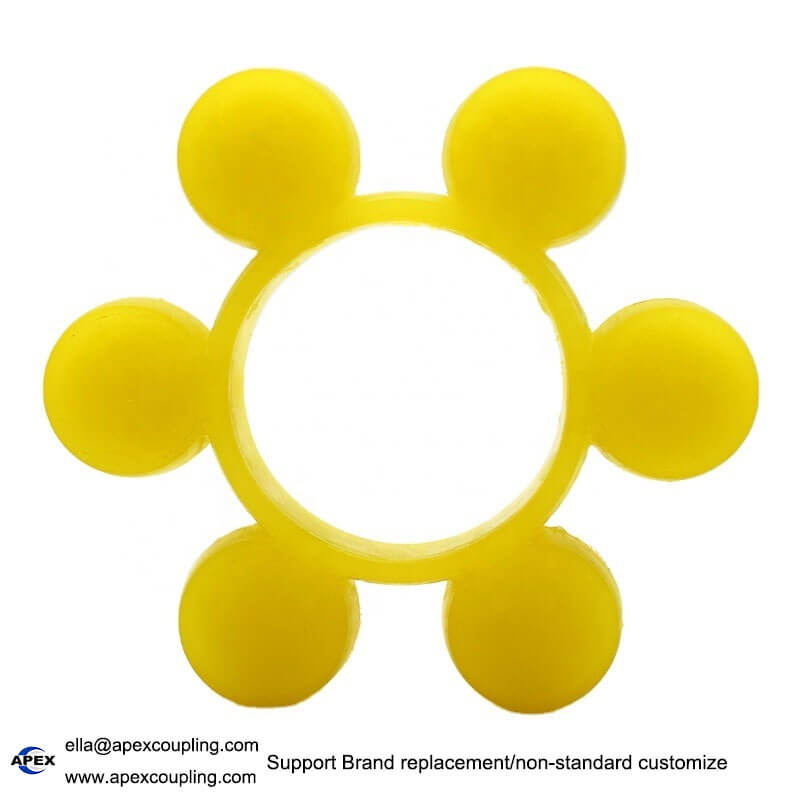
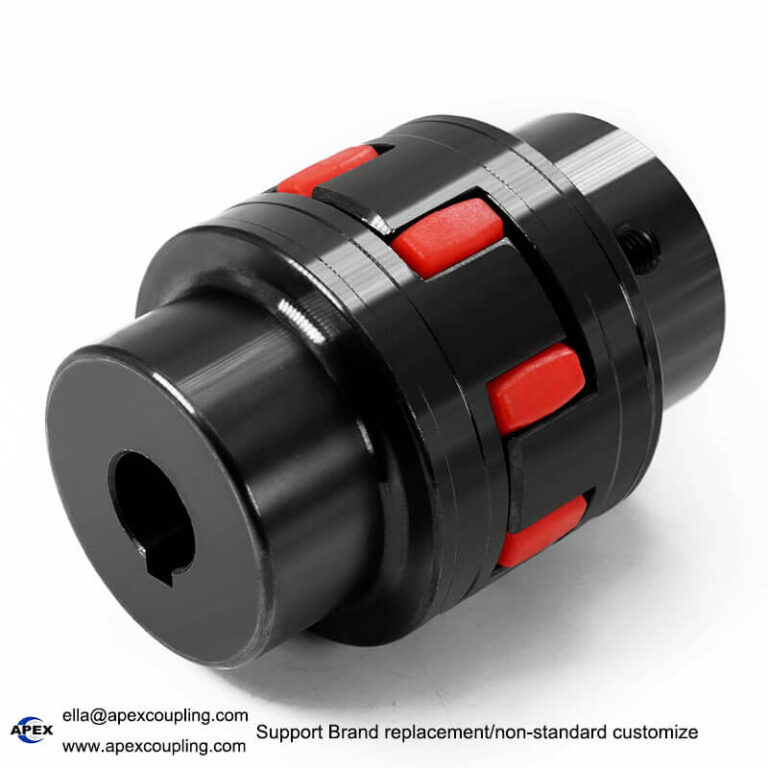
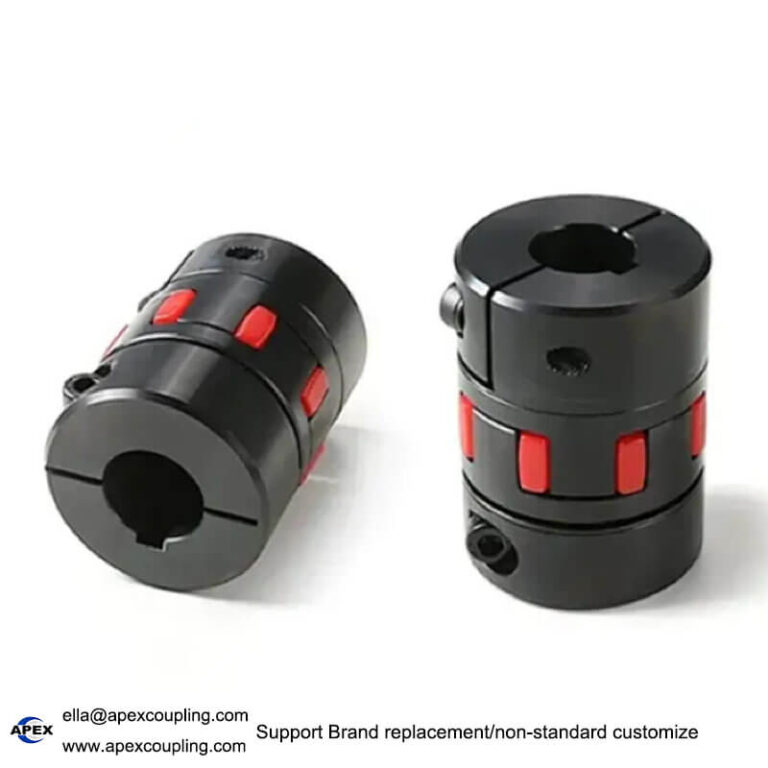
A coupling spider is a flexible component in many jaw coupling systems.
It works between the metal hubs to transmit torque while absorbing vibration and mechanical shock.
Unlike the metal hubs, the elastomeric spider is a wear component and may eventually need replacement.
Knowing the signs of coupling spider wear can help prevent unexpected machinery downtime.
1. Visible Cracks
One of the clearest signs of deterioration is cracking.
Inspect the coupling spider for:
- Surface cracks
- Deep cracks
- Splitting
- Brittle areas
- Cracked lobes
If significant cracking is present, the coupling spider should be replaced.
2. Deformation
A coupling spider should maintain its intended shape.
If the elastomer has become permanently deformed, it may no longer provide the correct flexible connection between the coupling hubs.
Possible causes include:
- Excessive load
- Excessive temperature
- Material deterioration
- Long-term operation
- Incorrect coupling selection
3. Damaged or Broken Lobes
The lobes of the coupling spider engage with the jaws of the coupling hubs.
If one or more lobes are damaged or broken, torque transmission may become irregular.
A damaged spider should be replaced before continued operation causes additional problems.
4. Excessive Wear
Normal operation gradually subjects the elastomer to mechanical stress.
Inspect for:
- Worn surfaces
- Material loss
- Rounded sections
- Excessive clearance
- Uneven wear
Uneven wear may also indicate coupling misalignment or another mechanical problem.
5. Increased Vibration
Unexpected vibration can indicate coupling problems.
Possible causes include:
- Worn spider
- Misalignment
- Damaged coupling hub
- Shaft problems
- Bearing problems
- Installation issues
Therefore, vibration alone does not prove that the spider is the only problem.
The complete system should be inspected.
6. Abnormal Coupling Noise
Unusual clicking, knocking or rattling sounds can indicate excessive clearance or deterioration of the flexible element.
If abnormal noise appears suddenly, stop and inspect the coupling where appropriate for the equipment’s safety procedures.
7. Excessive Backlash
Backlash refers to excessive rotational movement between the connected shafts before torque is fully transferred.
A worn coupling spider can increase the clearance between the coupling jaws and flexible element.
If the backlash has increased significantly, inspect the spider and coupling hubs.
8. Exposure to Excessive Temperature or Chemicals
Elastomer performance depends heavily on the working environment.
Continuous exposure to unsuitable:
- Temperatures
- Oils
- Chemicals
- Solvents
- Environmental conditions
can accelerate deterioration.
If the coupling spider has been exposed to an unsuitable environment, inspect it more frequently.
How Long Does a Coupling Spider Last?
There is no single replacement interval that applies to every coupling spider.
Service life depends on:
Torque + Speed + Temperature + Misalignment + Material + Environment + Operating Hours
For this reason, condition-based inspection is generally more useful than replacing the spider according to a fixed calendar schedule.
Should You Replace the Whole Coupling?
Not necessarily.
In many flexible jaw coupling systems, the metal hubs can remain in service while the worn elastomeric spider is replaced.
However, the hubs should also be inspected.
Replace or repair additional coupling components if you find:
- Damaged jaws
- Severe wear
- Cracks
- Corrosion
- Incorrect bore
- Excessive deformation
How to Choose a Replacement Coupling Spider
When ordering a replacement, confirm:
Coupling Model
For example:
MT, GS, GR, HRC or another coupling type.
Dimensions
Confirm:
- Outside diameter
- Thickness
- Lobe geometry
- Number of lobes
- Hub dimensions
Material
Common elastomers include:
- PU
- NBR
- Hytrel
Operating Conditions
Provide:
- Speed
- Torque
- Temperature
- Oil exposure
- Chemical exposure
This allows the supplier to recommend a suitable replacement.
MT Coupling Spider Replacement
For MT-type jaw couplings, Apex Coupling supplies PU MT coupling pads / coupling spiders as replacement components.
Standard products and customized OEM parts are available.
Customers can provide:
Model + Dimensions + Photo + Sample + Quantity
for quotation and evaluation.
OEM Coupling Spider Manufacturer
Apex Coupling supplies flexible coupling components for industrial machinery and power transmission applications.
Our capabilities include:
- MT Coupling Pads
- GS Spider Inserts
- Flexible Jaw Couplings
- PU Coupling Spiders
- Other Coupling Components
- OEM / ODM Production
- Custom Dimensions
Request a Replacement Coupling Spider
Need a replacement coupling pad or MT coupling spider?
Send us your existing part information.
Email: ella@apexcoupling.com
WhatsApp: +86 13437856962
OEM | ODM | Replacement Parts | Custom Manufacturing
Inquiry now:
ella@apexcoupling.com
steel vs cast iron jaw coupling, rotex spider hardness guide, flexible coupling for motor, elastic coupling maintenance.