Coupling Pad: What It Is, How It Works and How to Choose the Right MT Type
What Is a Coupling Pad?
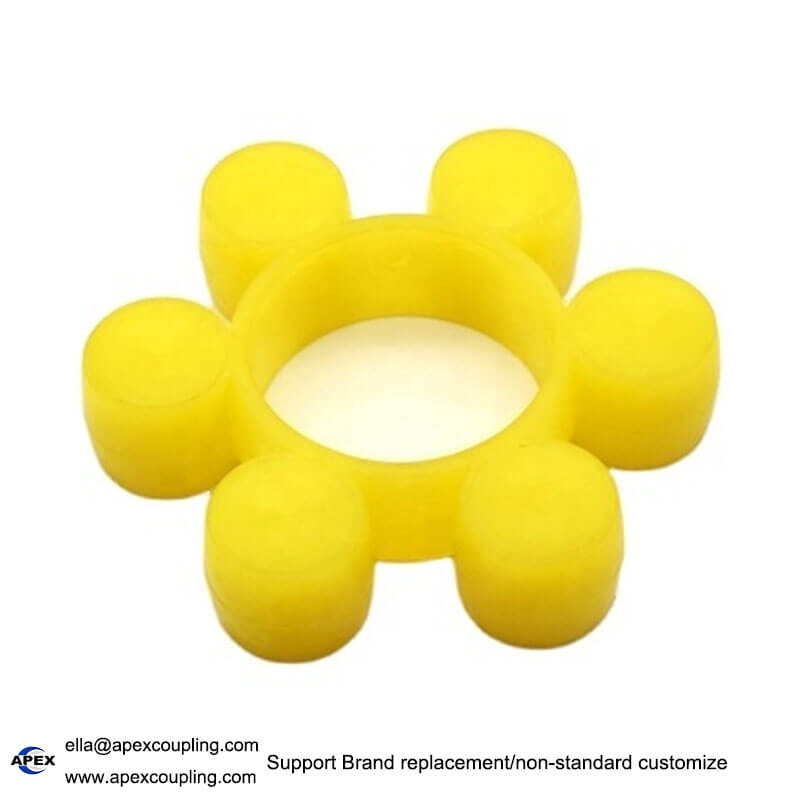
A coupling pad is a flexible element used in certain mechanical shaft couplings to connect two rotating shafts while helping absorb vibration and mechanical shock.
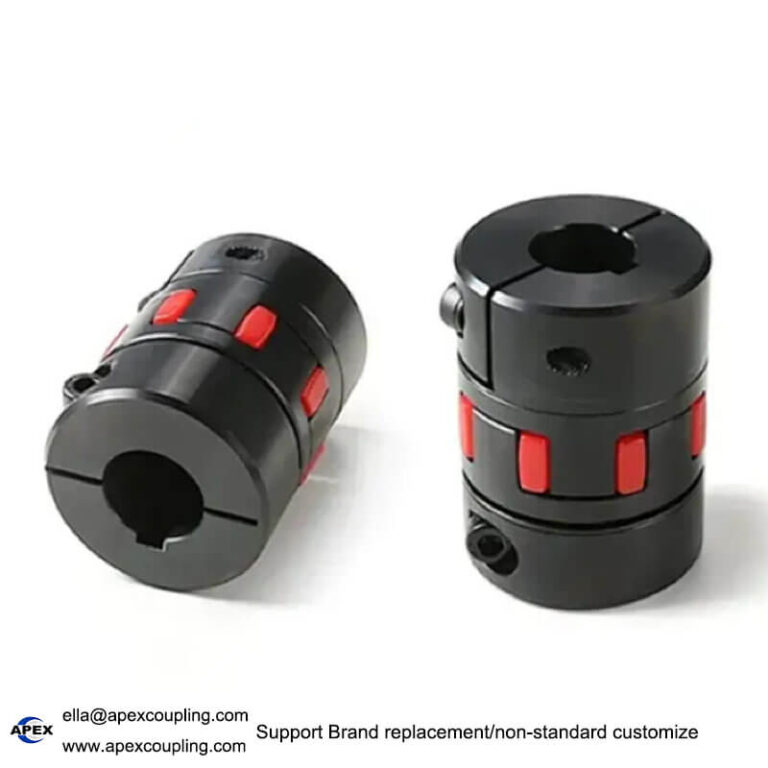
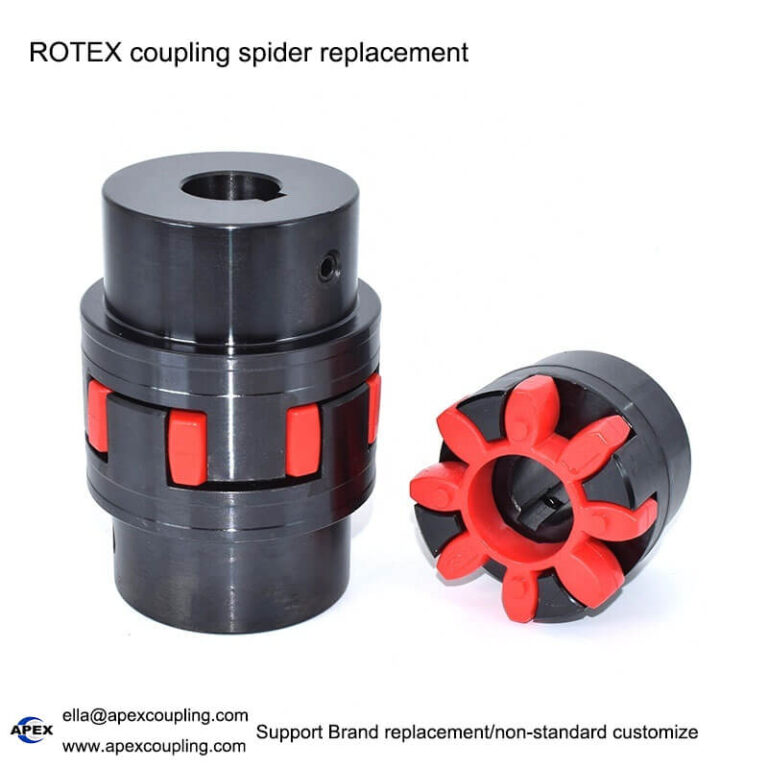
In flexible jaw coupling systems, the coupling pad is positioned between two metal hubs.
The basic structure is:
Driving Hub + Flexible Coupling Pad + Driven Hub
The metal hubs transmit mechanical torque, while the flexible coupling pad provides the elastic connection.
Depending on the coupling design, this component may also be called a:
- Coupling spider
- Jaw coupling spider
- Flexible coupling element
- Elastomeric coupling insert
- Coupling rubber pad
- PU coupling insert
How Does a Coupling Pad Work?
When the motor or driving shaft rotates, the driving coupling hub transfers torque through the flexible pad to the driven hub.
The flexible material deforms slightly during operation.
This allows the coupling pad to:
- Transmit torque
- Absorb torsional vibration
- Reduce mechanical shock
- Compensate for limited shaft misalignment
- Reduce noise
- Protect connected machinery
Because the coupling pad is flexible, it can also act as a sacrificial wear component.
Instead of replacing the complete metal coupling, users may only need to replace the worn elastomeric element.
What Is an MT Coupling Pad?
An MT coupling pad is a flexible element designed for an MT-type jaw coupling.
The MT coupling consists of two metal hubs and an elastomeric element.
The flexible pad is installed between the jaws of the hubs.
For industrial applications, the pad is commonly manufactured from elastomeric materials such as polyurethane.
Apex Coupling manufactures MT-type coupling pads using imported PU material.
Why Use PU for a Coupling Pad?
Polyurethane is widely used for flexible mechanical components because it provides a combination of elasticity, strength and wear resistance.
For coupling applications, PU can provide:
Wear Resistance
The material is designed to withstand repeated mechanical loading.
Flexibility
The flexible element allows the coupling to accommodate limited shaft misalignment.
Vibration Damping
The elastomer absorbs part of the vibration and shock generated during operation.
Mechanical Durability
PU can provide reliable performance in many industrial power transmission applications.
How to Choose the Right Coupling Pad?
Before ordering a replacement coupling pad, check the following parameters.
1. Coupling Type
First identify the coupling design.
For this product, the relevant type is:
MT Type Jaw Coupling
2. Dimensions
Measure the existing coupling pad carefully.
Important dimensions may include:
- Outside diameter
- Overall thickness
- Pad/lobe geometry
- Hub dimensions
- Shaft bore
- Coupling overall size
3. Material
Different operating environments require different elastomer materials.
Common choices may include:
- PU
- NBR
- Hytrel
- Other engineering elastomers
The correct material depends on the actual operating environment.
4. Temperature
Operating temperature can affect the performance and service life of elastomeric coupling components.
If the machinery operates at elevated temperatures, provide the supplier with:
Normal temperature + Maximum temperature + Operating duration
5. Oil and Chemical Exposure
If the coupling is exposed to oil, grease or chemicals, the material should be selected accordingly.
Do not select the material based only on price.
6. Speed and Torque
The manufacturer should also know:
- Motor power
- Operating speed
- Torque
- Starting conditions
- Shock loads
- Operating cycle
These factors can affect coupling selection.
When Should a Coupling Pad Be Replaced?
A coupling pad should be inspected if you notice:
- Cracks
- Wear
- Deformation
- Broken sections
- Excessive vibration
- Abnormal noise
- Excessive backlash
- Reduced flexibility
A damaged coupling pad can affect the performance of the complete shaft coupling system.
OEM Coupling Pad Manufacturing
Not every customer needs a standard coupling pad.
Machinery manufacturers and distributors may require:
- Custom dimensions
- Custom hardness
- Specific PU material
- Special geometry
- Replacement parts
- OEM packaging
- Private-label production
Apex Coupling supports OEM, ODM and custom coupling pad manufacturing according to customer drawings or samples.
Coupling Pad Manufacturer in China
Apex Coupling manufactures industrial power transmission components for machinery manufacturers, distributors and maintenance companies.
Our products include:
Coupling Pads | Jaw Coupling Spiders | Flexible Couplings | Universal Joints | Cardan Shafts | Drive Shafts
For MT coupling pad requirements, customers can send us the existing part dimensions, photos or samples.
Get a Coupling Pad Quote
Need a replacement MT coupling pad?
Send us:
Model + Dimensions + Photo/Drawing + Quantity
Contact Apex Coupling
Email: ella@apexcoupling.com
WhatsApp: +86 13437856962
Inquiry now:
ella@apexcoupling.com
steel vs cast iron jaw coupling, rotex spider hardness guide, flexible coupling for motor, elastic coupling maintenance.